



The Truth About Lead Times: Why Most Generator Manufacturers Build to Order
If you're in the market for an industrial diesel generator, you've likely encountered a common reality: a significant wait before your unit is ready. Unlike buying a standard appliance, you can't simply click "order" and expect shipment in a few days. This waiting period, known as the Generator Lead Time, is a crucial aspect of the purchasing process that often causes surprise and requires careful planning.
Understanding why most reputable manufacturers operate on a Build-to-Order model, rather than holding large inventories of finished machines, can transform your perception from one of frustration to one of strategic partnership. This article unveils the realities behind production timelines, explaining the "why" and offering you a clear roadmap for a successful project.

The Build-to-Order Reality
First, let's dismiss a common myth. The industrial generator industry is not like the automotive industry, where thousands of identical models roll off an assembly line for dealer lots. Instead, think of it more like specialized heavy equipment or a commercial vessel.
Core Principle: Each generator set is typically configured to meet the specific requirements of its final application and installation site. While manufacturers build upon proven, standardized platforms, the final product is often tailored.
The Analogy: It's the difference between buying a ready-made suit and one that is tailored to your measurements. The tailored suit takes longer but guarantees a perfect fit for its purpose—whether that's powering a hospital, a data center, or a remote mining site.
This fundamental approach is the primary driver behind the Generator Lead Time. The timeline begins not when components are assembled, but when your unique specifications are finalized and the order is released to the production floor.
Why Mass Stockpiling Isn't Practical
You might wonder, "Why not just build a bunch of common models and have them ready to go?" For industrial-grade equipment, this is rarely feasible or financially sound for the manufacturer or the customer.
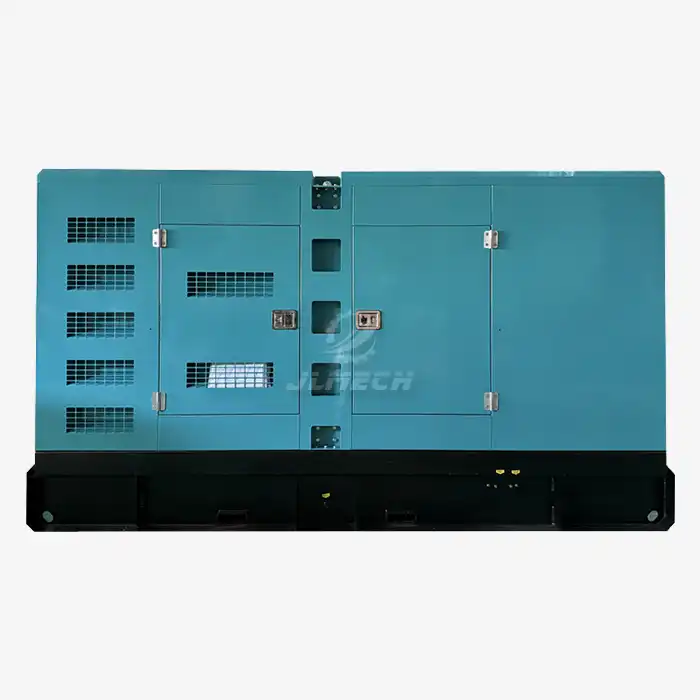
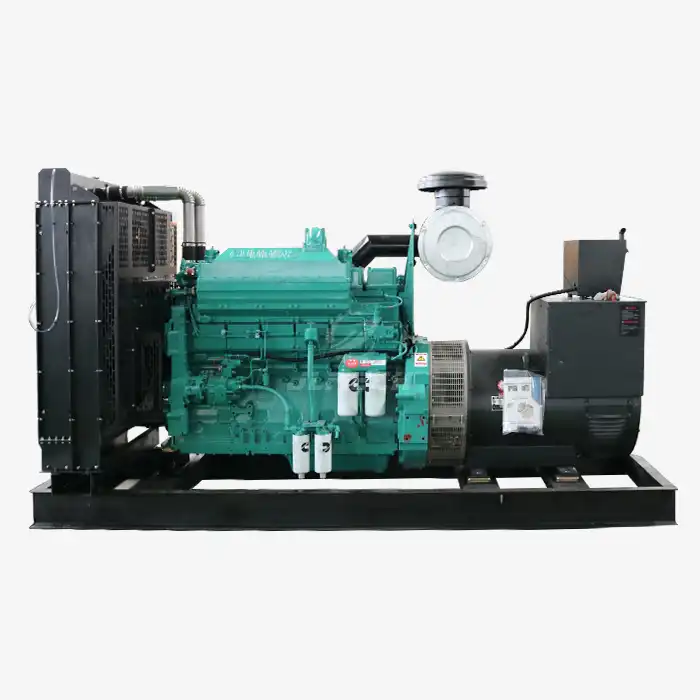
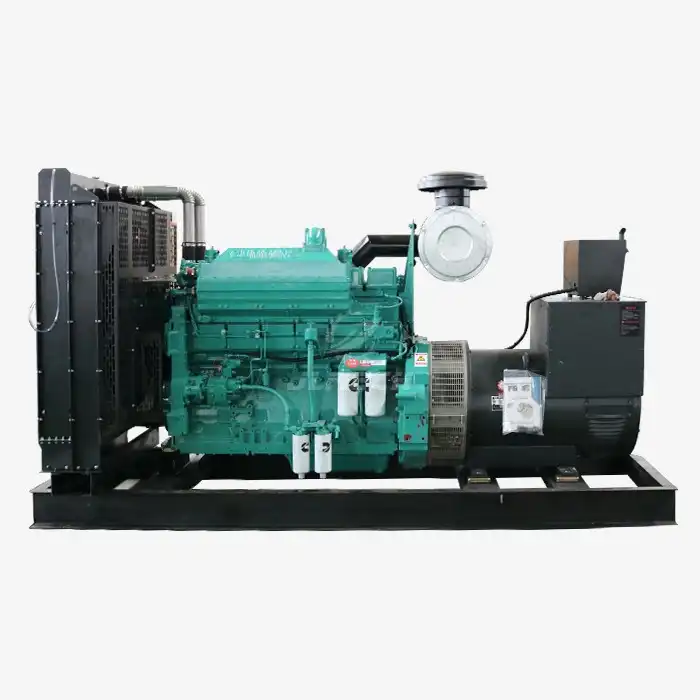
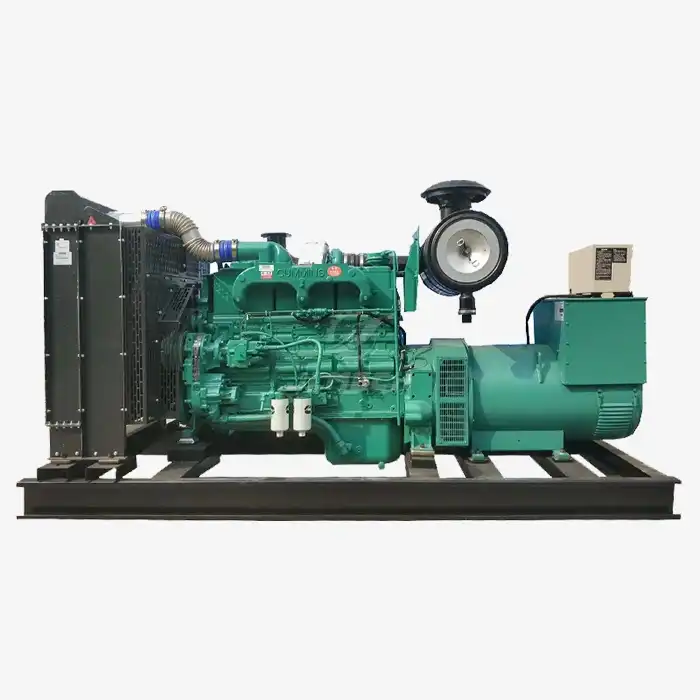
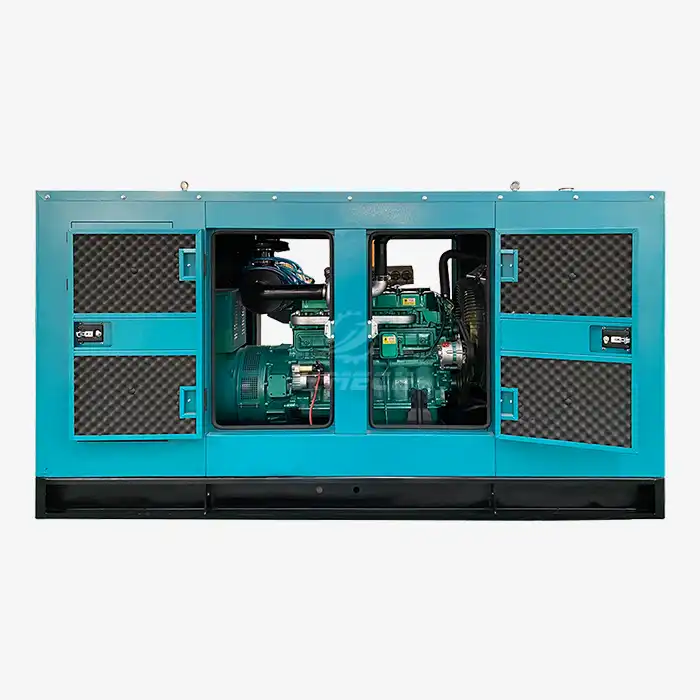
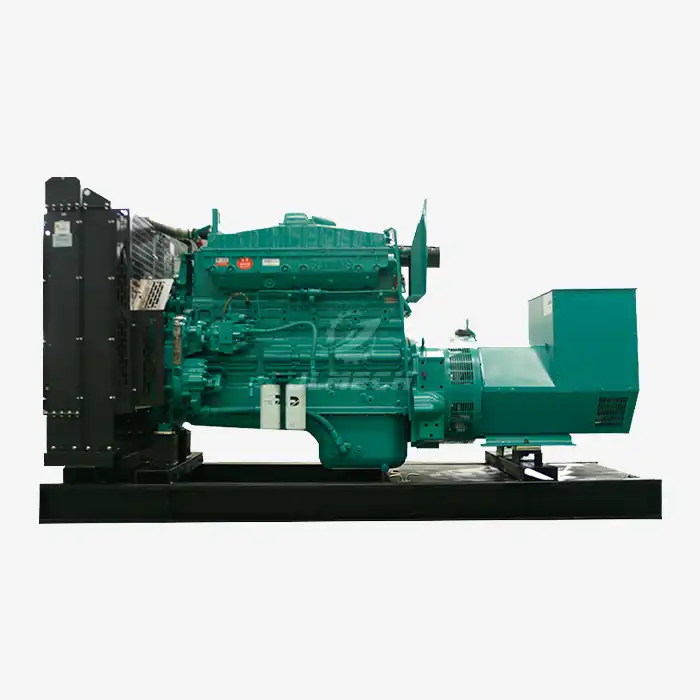
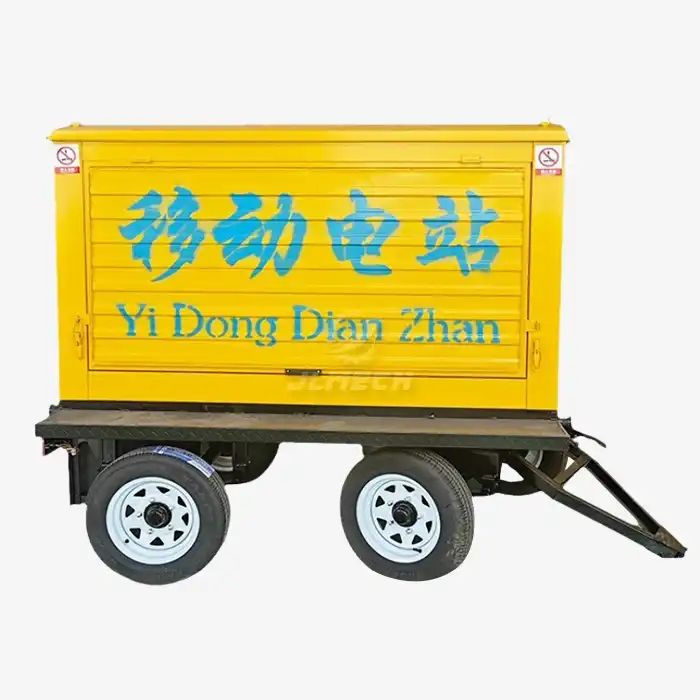
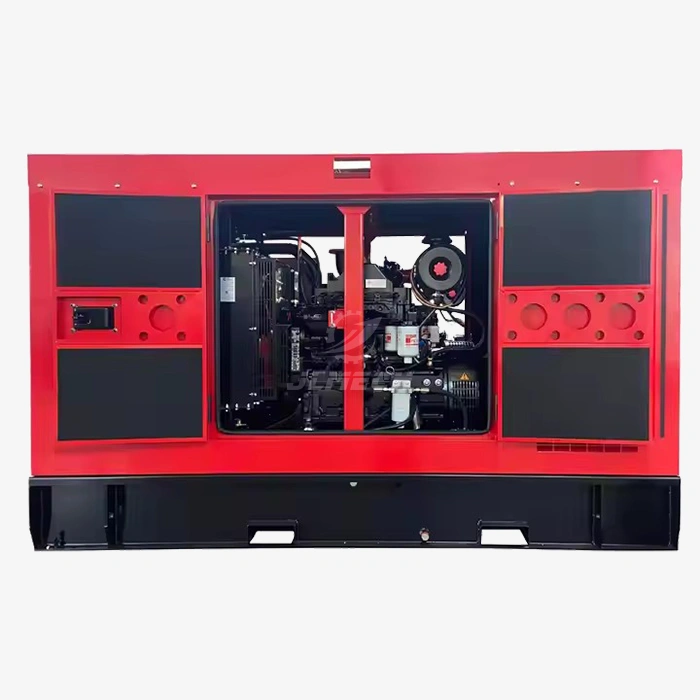
Sheer Variety: The number of potential combinations is enormous. Variables include engine brand and model, alternator type, cooling system, canopy design, control system sophistication, voltage, and amperage configurations. Stocking every variant would be an inventory nightmare.
Rapid Obsolescence: Key components, especially engines and controllers, are subject to evolving emissions regulations (like EPA Tier 4, EU Stage V) and technological updates. A unit built today might not be compliant or optimal in six months.
Capital Intensive: Generators are high-value items. Tying up millions of dollars in finished inventory sitting in a warehouse is inefficient and would ultimately increase the cost for all customers.
Therefore, a controlled, planned production schedule ensures you receive a machine built with the latest compliant components and tailored to your needs, rather than a pre-built unit that may require costly modifications.
The Customization Factor
This is where the Generator Lead Time gains meaningful substance. The "order" in Build-to-Order is where your project comes to life. Key customizations that impact the schedule include:
Engine and Alternator Specifications: Sizing the unit correctly for prime or standby power, and selecting the preferred brand and model.
Control Panel Integration: Programming logic for automatic start/stop, synchronizing multiple units, or integrating with sophisticated Building Management Systems (BMS).
Physical Modifications: Designing special base frames, fuel tank configurations, or custom-sized canopies for acoustic performance or extreme weather protection.
Certification and Documentation: Preparing region-specific compliance paperwork, manuals, and test reports.
Each of these steps requires engineering review, procurement of specific parts, and dedicated assembly and testing time, all contributing to the total timeline.
The Global Supply Chain Equation
Even a standard configuration relies on a complex global supply chain. A modern diesel generator is a marvel of integration, combining components from several specialized continents:
Engines from the United States, Europe, or Asia.
Alternators from specialized manufacturers.
Controllers, sensors, and switches from global electronics suppliers.
Steel, copper, and other raw materials from international markets.
A delay in any single component—a common occurrence in today's world—can impact the final Generator Lead Time. Reputable manufacturers provide timelines based on current component availability and maintain transparent communication if shifts occur.
How to Plan for the Lead Time
Proactive planning is your most powerful tool. Treat the acquisition of a generator like a critical phase of your construction or facility upgrade project.
Engage Early: Contact suppliers during the project’s conceptual design phase, not as an afterthought.
Finalize Specifications Promptly: Delays in approving technical drawings and specifications directly delay the production start date.
Understand the Phases: A typical timeline includes: 1) Engineering & Design, 2) Component Procurement, 3) Assembly, 4) Testing & Commissioning, and 5) Preparation for Shipment.
Factor in Logistics: Remember to include sea or land freight time, customs clearance, and on-site installation and commissioning in your overall project schedule.
Asking your supplier for a detailed, phase-by-stage breakdown of the Generator Lead Time is a sign of a professional and prepared buyer.
Choosing the Right Manufacturing Partner
The manufacturer you select directly influences the reliability of the lead time estimate and the quality of the wait.
Look for Transparency: Partners should clearly explain what is included in their quoted timeline and what factors could influence it.
Assess Communication: Do they provide regular updates? Is there a single point of contact for your order?
Evaluate Process Maturity: Manufacturers with robust production planning and strong supplier relationships are better at weathering supply chain fluctuations and delivering on time.
A trustworthy partner manages the build process efficiently and keeps you informed every step of the way, turning the lead time into a period of confident anticipation rather than anxious uncertainty.
Conclusion
The Generator Lead Time is not a mere waiting period; it is the essential, active phase during which your reliable power solution is meticulously engineered, assembled, and validated. The Build-to-Order model, while requiring advance planning, is the industry standard for a critical reason: it ensures you receive a generator that fits your technical, regulatory, and operational requirements perfectly.
By understanding these realities, engaging with partners early, and planning strategically, you can navigate the timeline effectively. The goal is not just to receive a generator quickly, but to receive the right generator—one that will deliver reliable performance for years to come. A well-managed lead time is the first step in that long-term reliability.
References
International Energy Agency (IEA). (2023). Supply Chain Resilience for Critical Energy Infrastructure. IEA Special Report.
Global Genset Market Analysis Consortium. (2024). Build-to-Order vs. Stock Production Models in the Industrial Power Equipment Sector: A Cost-Benefit Analysis.
Peterson, A., & Lee, S. (2022). Strategic Procurement and Scheduling for Heavy Equipment Manufacturing. Journal of Operations and Production Management, 42(5), 120-135.
Federation of Engine Manufacturers (FEM). (2023). Global Emissions Standards Update and Their Impact on Equipment Design Cycles. FEM Technical Bulletin.