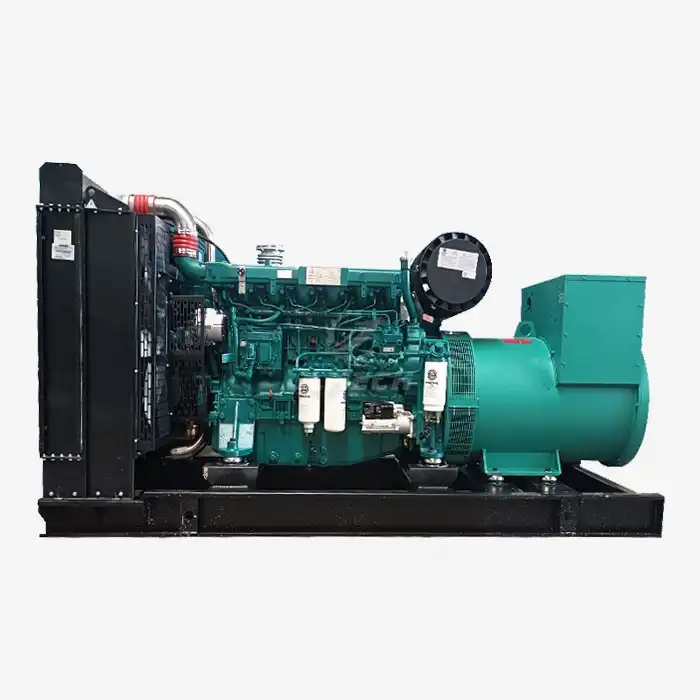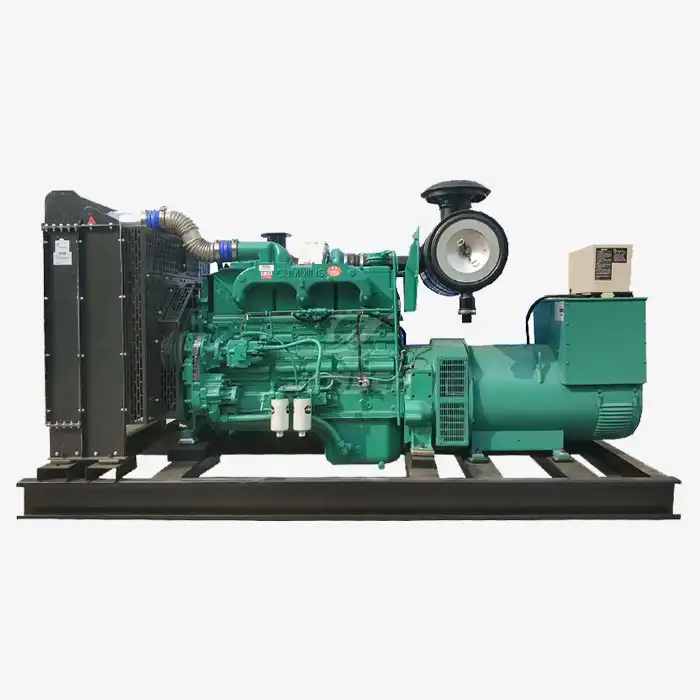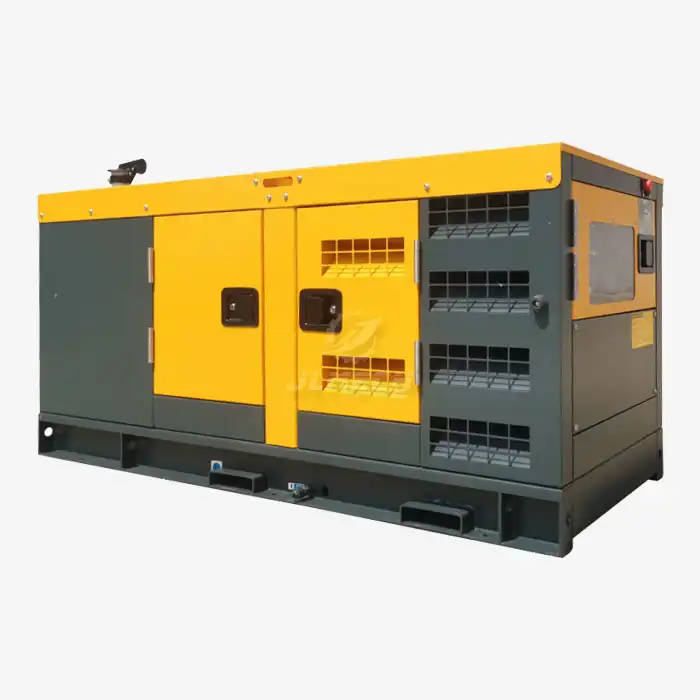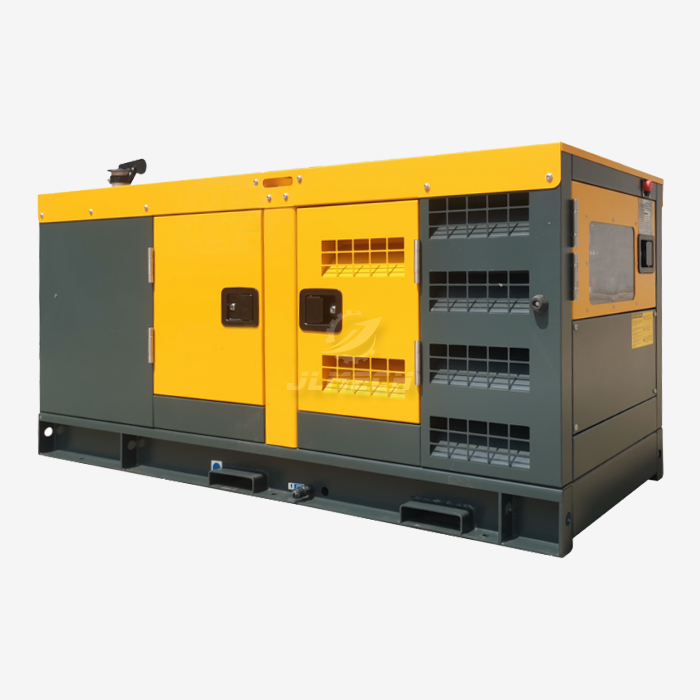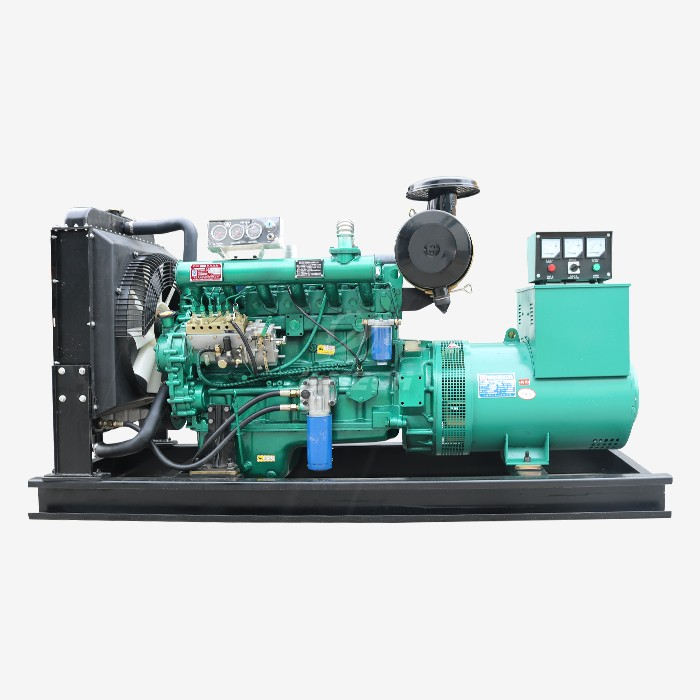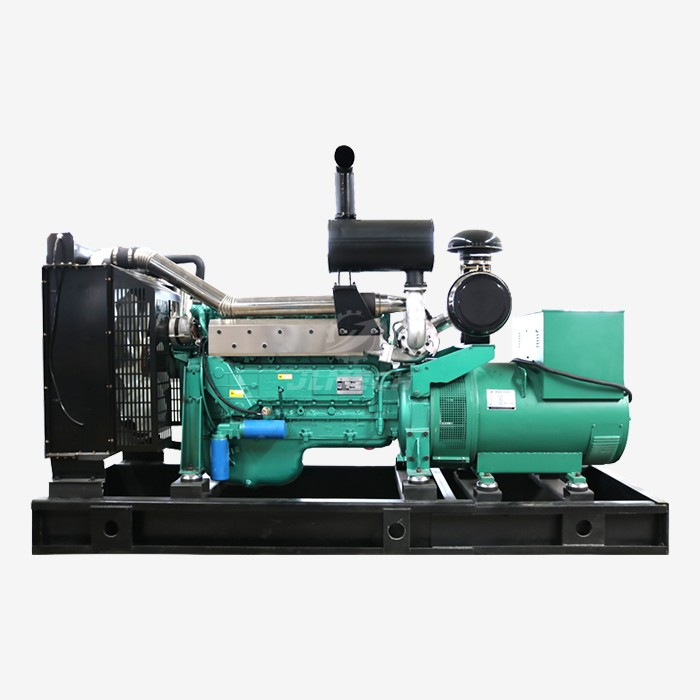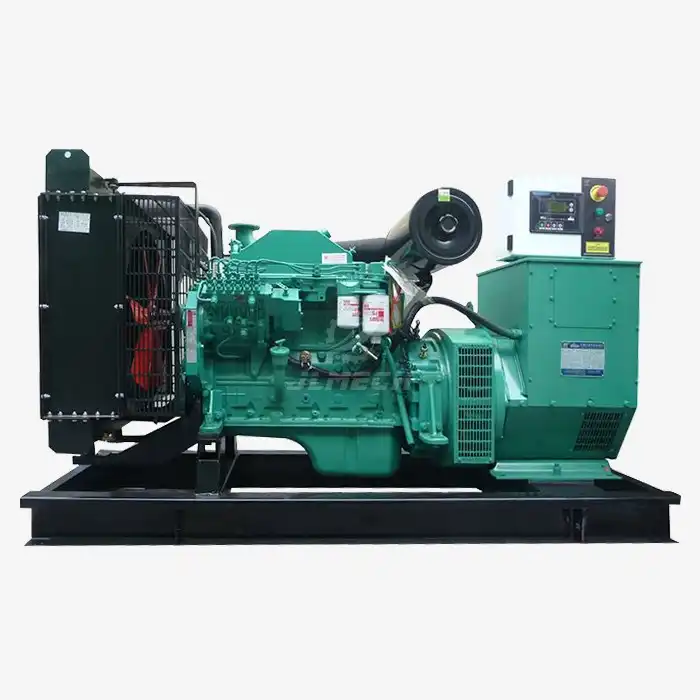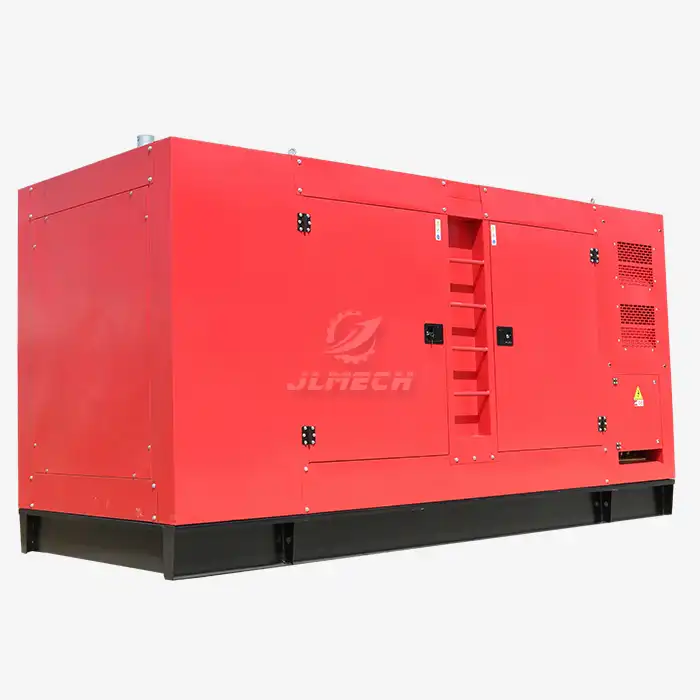




8 Costly Mistakes to Avoid When Buying a Diesel Generator
Purchasing a diesel generator is a major decision for your business continuity. A reliable unit is a silent guardian, but a poor choice becomes a constant source of expense and frustration. The wrong purchase can lead to operational failure, safety risks, and tens of thousands in wasted capital and operational costs.
The difference lies in the details often overlooked during the buying process. Being aware of common pitfalls is your first line of defense. This guide outlines the eight most common and costly errors buyers make, equipping you to make an informed, confident investment that will protect your operations for years to come.

Underestimating Your True Power Needs
This is the most fundamental and potentially catastrophic Diesel Generator Mistake.
The Mistake: Guessing your power requirements or only considering running watts, while ignoring the critical surge (starting) current of motors and compressors. An undersized generator will overload, trip, fail to start critical equipment, and sustain permanent damage.
The Solution: Never guess. Conduct a professional load analysis. List every piece of equipment you need to power, noting both the starting (LRA or surge) and running (FLA or continuous) wattage. Your generator's rated output must exceed the total starting load of the largest motor plus the running load of everything else. Always consult with an engineer or a reputable supplier to size your system correctly, factoring in future expansion.
Choosing Price Over Total Cost of Ownership
Focusing solely on the initial price tag is a short-sighted strategy that leads to higher long-term costs.
The Mistake: Selecting the cheapest quote without evaluating the quality of components, fuel efficiency, and durability. Inexpensive units often cut corners on engine blocks, alternator copper content, and control systems, leading to frequent breakdowns, excessive fuel consumption, and a shorter lifespan.
The Solution: Evaluate the Total Cost of Ownership (TCO). A slightly higher upfront investment in a quality unit pays off through:
Lower Fuel Bills: Compare official fuel consumption curves at various loads.
Fewer Repairs: Premium components from brands like Cummins, Perkins, or Stamford ensure reliability.
Longer Life: Robust construction with corrosion protection withstands harsh conditions for decades.
Ignoring Installation and Site Requirements
A generator does not operate in a vacuum; its environment dictates specific needs that, if ignored, become a costly Diesel Generator Mistake.
The Mistake: Ordering a standard unit without considering altitude, ambient temperature, noise restrictions, or physical space constraints. This can cause power derating, overheating, regulatory fines, or impossible installation scenarios.
The Solution: Provide your supplier with complete site specifications:
Altitude & Climate: High altitude and extreme heat reduce engine output, requiring a larger unit.
Sound Regulations: Specify the required dB(A) level at a set distance for a silenced canopy.
Access & Foundations: Ensure there is clear access for delivery, installation, and maintenance, and prepare a proper, level base.
Neglecting Fuel Storage and Quality Planning
Diesel fuel is the lifeblood of your generator. Poor fuel management is the leading cause of unscheduled downtime.
The Mistake: Treating fuel storage as an afterthought. Storing fuel for long periods without proper conditioning leads to contamination from water, microbes (“diesel bug”), and sediment, which clogs filters and damages injectors and pumps.
The Solution: Develop a robust fuel management plan:
Right-Size Your Tank: Ensure it supports your required runtime (e.g., 24, 48, or 72 hours).
Invest in Filtration: Use primary and secondary filters, and consider a fuel polishing system for bulk storage.
Practice Fuel Rotation: Where possible, use and replenish stored fuel regularly. Add stabilizers and biocides as recommended.
Overlooking Control System and Monitoring Capabilities
In the digital age, a basic manual start panel is a significant limitation for any critical backup power system.
The Mistake: Opting for a minimal control panel to save money. This leaves you in the dark about the generator's health, performance history, and status, making diagnostics slow and remote management impossible.
The Solution: Insist on a modern digital control system with:
Automatic Mains Failure (AMF) functionality for hands-off operation.
Comprehensive data logging of run hours, events, and faults.
Remote monitoring connectivity (GSM/GPRS or Ethernet) to receive real-time alerts and status updates on your phone or computer, enabling proactive maintenance.
Skipping a Professional Installation and Commissioning
Even the world's best generator will fail if installed incorrectly. This is a frequently overlooked Diesel Generator Mistake with serious consequences.
The Mistake: Using uncertified electricians or general contractors to install and wire the generator. Improper installation can lead to faulty load transfer, back-feeding dangers, non-compliance with electrical codes, and voided warranties.
The Solution: Professional installation is non-negotiable. Ensure your supplier or a certified third-party contractor handles:
Proper placement for ventilation, exhaust dispersal, and service access.
Correct wiring of the automatic transfer switch (ATS) to your main electrical panel.
Full commissioning, including a detailed load bank test under your actual expected loads to verify performance before an actual outage.
Forgetting About Long-Term Service and Support
Your relationship with the supplier begins after the sale. Lack of support turns a minor issue into a major outage.
The Mistake: Not inquiring about after-sales service, spare parts availability, or local technical support before purchasing. When a critical component fails, waiting weeks for a part or a technician is not an option.
The Solution: Vet your supplier's support capabilities:
Ask about their service network: Do they have certified technicians in your region?
Check parts inventory: Do they stock common spare parts locally?
Review warranty terms and available maintenance contracts. A planned maintenance agreement is the best way to ensure reliability and prevent the final, and perhaps most expensive, Diesel Generator Mistake: neglect.
Neglecting a Proactive Maintenance Plan
Assuming a generator will work flawlessly after sitting idle for months is a recipe for failure when you need it most.
The Mistake: Adopting a "run it until it breaks" mentality. Diesel generators require regular exercise and preventative maintenance to stay ready. Without it, components degrade, batteries die, and fuel spoils.
The Solution: Implement and adhere to a strict maintenance schedule as outlined in the manufacturer's manual. This includes:
Weekly or monthly automated exercise runs under load to keep components lubricated and burn off moisture.
Scheduled servicing (oil, filters, coolant changes) based on run hours.
Annual professional inspection and load bank testing to verify full output capacity and identify potential issues before they cause a failure.
Conclusion
Avoiding these eight mistakes transforms your generator purchase from a potential liability into a cornerstone of your operational resilience. The goal is not just to buy a machine, but to invest in a complete, reliable power solution supported by expertise and planning. By prioritizing accurate sizing, quality, professional integration, and lifelong maintenance, you secure more than just equipment—you secure peace of mind.
Invest wisely from the start. Contact our team of power system experts today for a consultation. We'll help you navigate every step of the process to ensure you avoid these common errors and acquire a diesel generator solution that delivers unwavering reliability for decades.
References
National Fire Protection Association. (2023). NFPA 110: Standard for Emergency and Standby Power Systems. Quincy, MA: NFPA.
International Organization for Standardization. (2016). *ISO 8528-5:2016: Reciprocating internal combustion engine driven alternating current generating sets — Part 5: Generating sets*. Geneva: ISO.
Barringer, H. P. (2022). A Life Cycle Cost Summary. In International Conference of Maintenance Societies. Melbourne, Australia.
Diesel Technology Forum. (2023). Maintenance Best Practices for Stationary Diesel Generators. Frederick, MD: Diesel Technology Forum.