



Beyond the Price Tag: What Really Affects the Cost of a Diesel Generator?
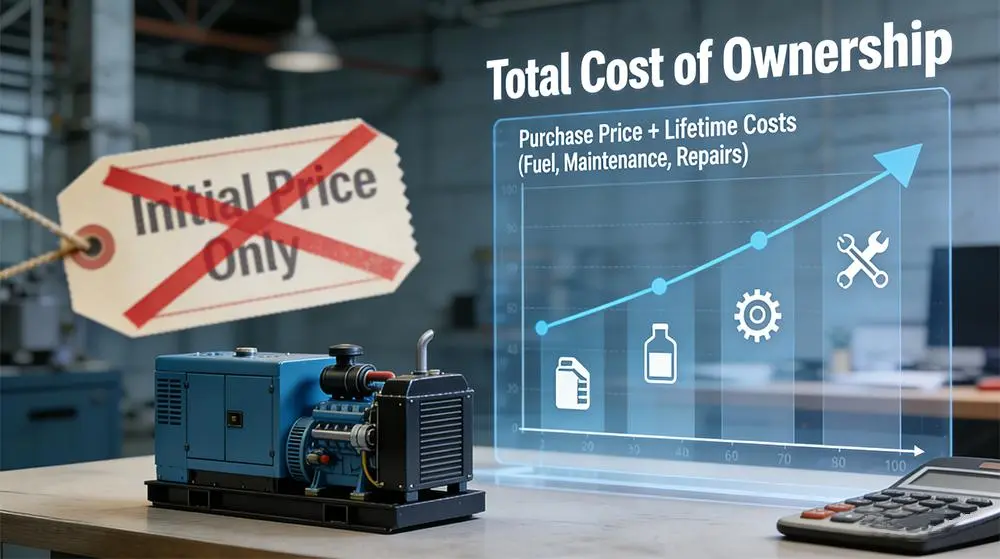
When purchasing a diesel generator, it's tempting to focus on the first number you see. But just like buying a car, the initial sticker price is only one part of the story. The true Diesel Generator Cost is a combination of the machine's capabilities, its components, and the expenses you'll incur over its entire working life. Choosing based solely on the lowest upfront price can lead to higher long-term costs in fuel, maintenance, and repairs. This guide will look beyond the price tag and break down the key factors that genuinely shape the price of a diesel generator, helping you make an investment that delivers value for years, not just a bargain today.
Why the Initial Quote is Just the Starting Point
Imagine buying a vehicle. A basic model gets you from point A to point B, but a model designed for heavy hauling, with a more powerful engine and durable parts, costs more because it’s built for a tougher job and will last longer under strain. A diesel generator is similar. Its price reflects its engineering, the quality of its parts, and its intended duty. The true Diesel Generator Cost encompasses purchase price, installation, fuel consumption, maintenance, and potential downtime. Understanding what drives the initial price helps you evaluate its long-term value and avoid costly surprises down the road.
Factor 1: Power Output and Technical Specifications
This is the most fundamental cost driver. A generator's size and capabilities directly influence its price.
Rated Power (kW/kVA): Larger generators that produce more power require larger engines and alternators, which cost more. Knowing your exact power needs is crucial—oversizing wastes money upfront and in operation, while undersizing risks failure.
Voltage Configuration: Standard single-phase or three-phase units are common. Generators that offer multiple voltage options or specific voltages for international markets require more complex alternators and control systems, increasing the price.
Fuel Efficiency: Models with advanced engine technology that burn less fuel per kilowatt-hour produced often have a higher initial price. This investment, however, pays back significantly through lower operational expenses over time.
Factor 2: The Quality of Core Components
The brand and tier of the generator's “heart and brain” have a major impact. This is where “you get what you pay for” truly applies.
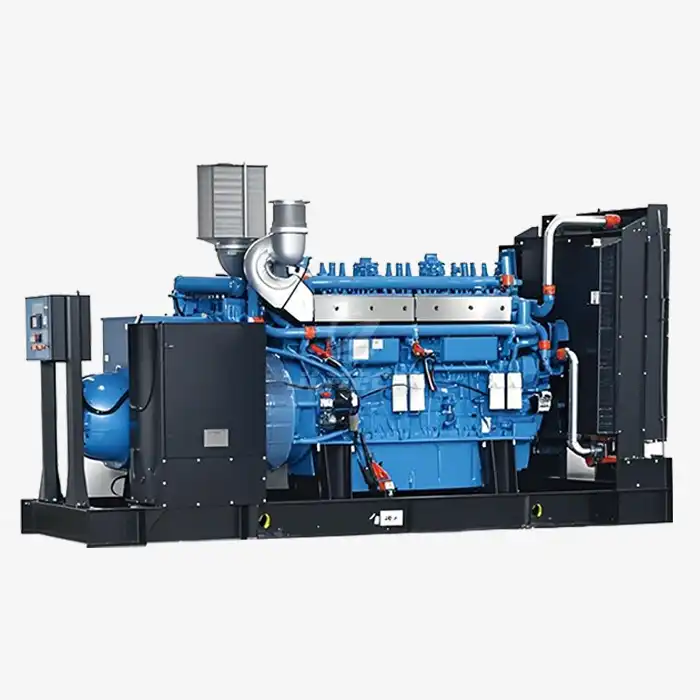
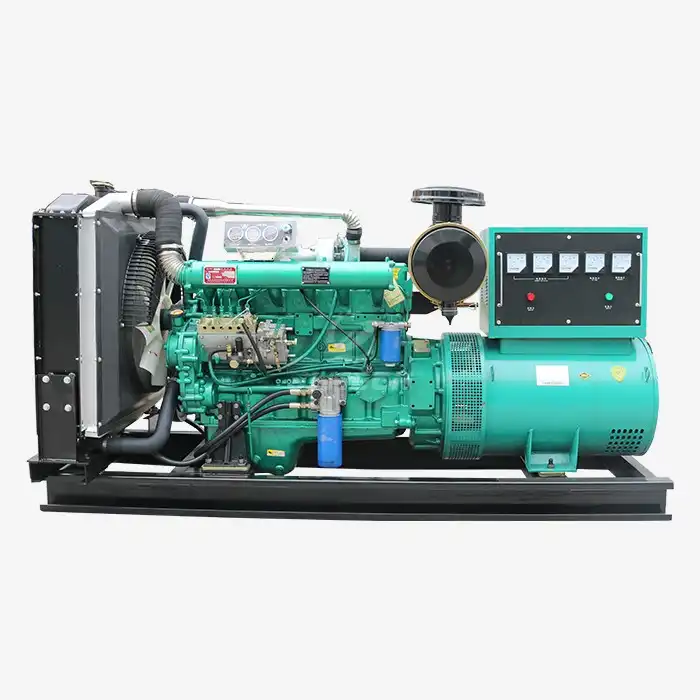
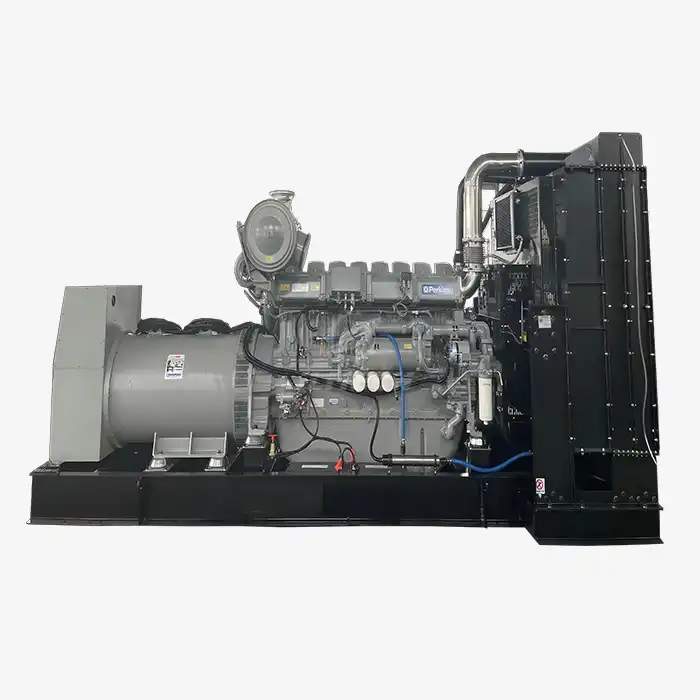
Engine Brand and Tier: An industrial-grade engine from a top-tier global manufacturer (like Cummins, Perkins, or MTU) is a premium component. Equivalent engines from reputable value-focused brands offer reliability at a different price point. The engine’s design, durability, and parts availability are factored into the Diesel Generator Cost.
Alternator (Generator End): The alternator that converts mechanical energy to electricity varies in quality. Units with Class H insulation, copper windings, and superior voltage regulation perform better and last longer, especially under harsh or continuous load conditions, but they cost more to manufacture.
Control Panel: A basic manual start/stop panel is standard. An advanced digital control panel with an Automatic Transfer Switch (ATS), remote monitoring capabilities, and detailed diagnostics adds functionality, convenience, and protection, which adds to the cost.
Factor 3: Design, Configuration, and Customization
How the generator is built and packaged influences its final price.
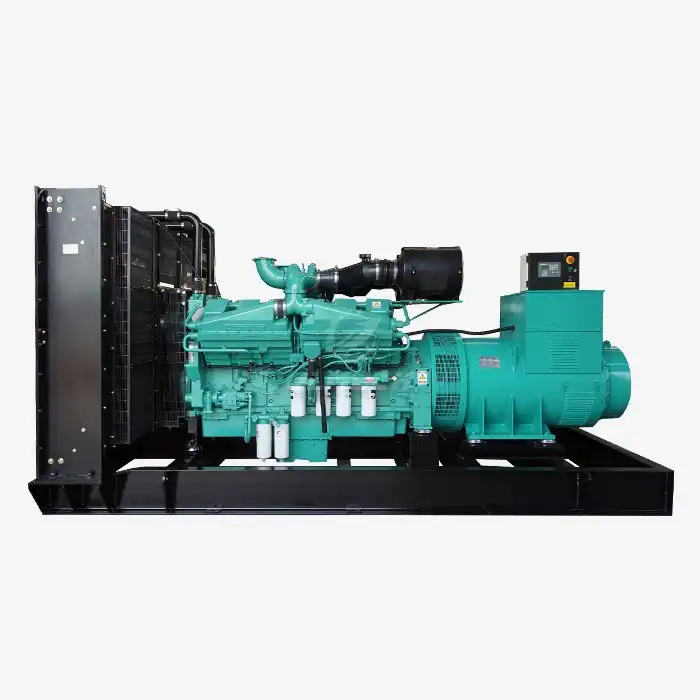
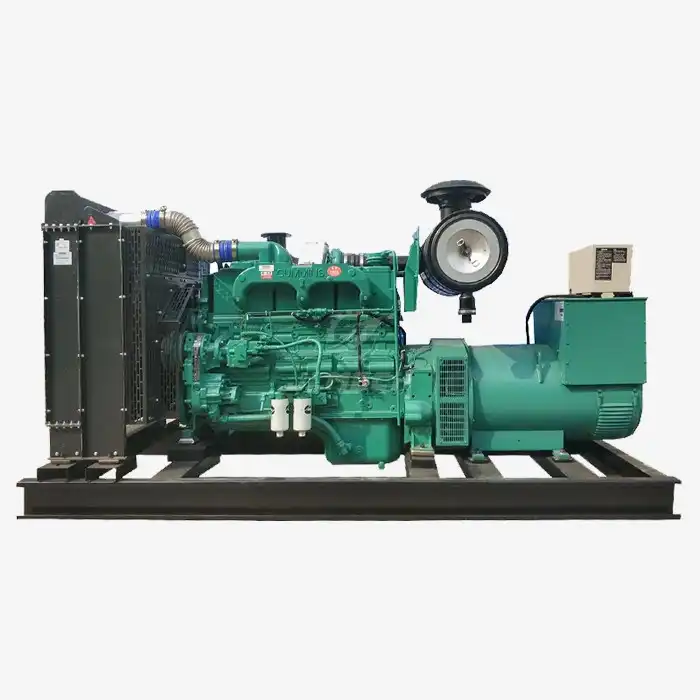
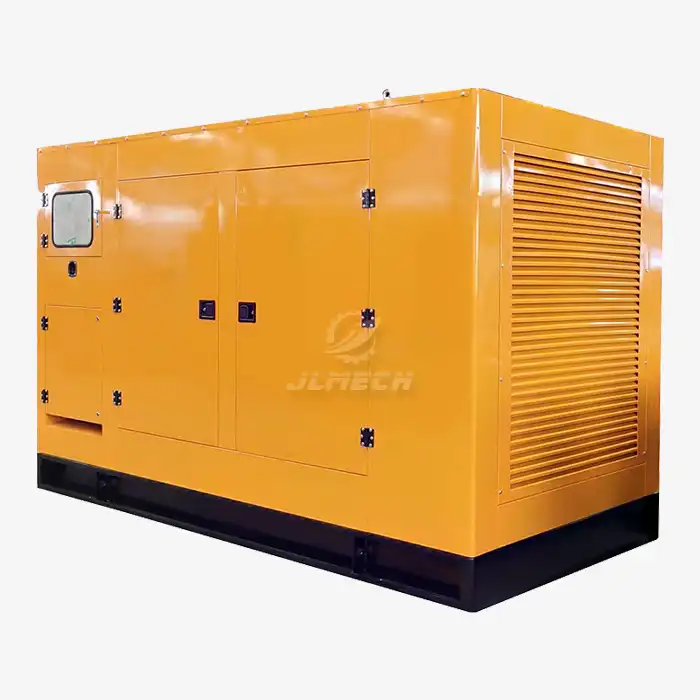
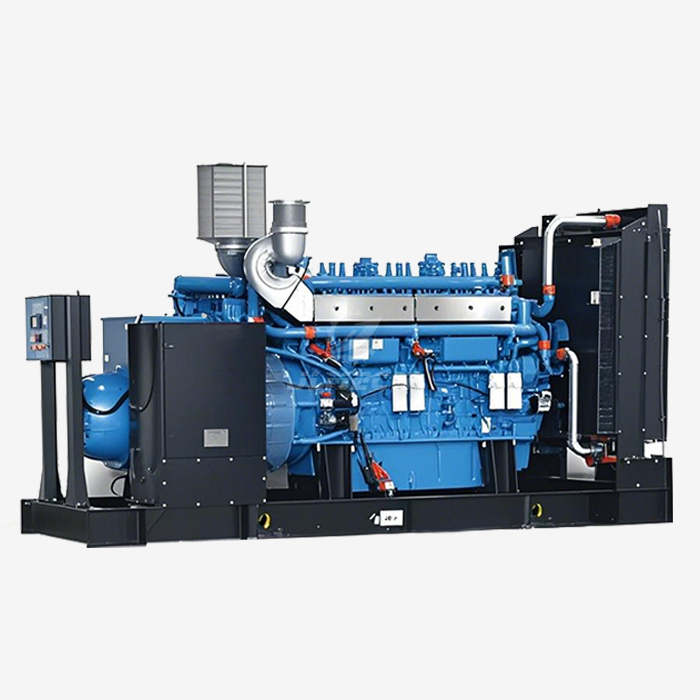
Canopy (Enclosure) Design: A basic open-frame skid is the most economical. A weatherproof, sound-attenuated canopy adds material and engineering costs but is essential for outdoor installation, noise reduction, and environmental protection. The level of soundproofing (e.g., super-silent models) further increases complexity and price.
Fuel Tank Size: Larger integrated base fuel tanks extend runtimes but add to material costs and the unit’s physical footprint.
Customization: Standard models are cost-effective. Any deviation—special paint, unique control functions, specific safety switches, or integration with custom switchgear—requires engineering time and unique parts, raising the Diesel Generator Cost.
Factor 4: Installation, Compliance, and Long-Term Costs
The expenses don't stop when the generator arrives at your site.
Installation Complexity: A simple placement on a prepared pad is straightforward. Installations requiring complex electrical tie-ins, exhaust system extensions, remote radiators, or critical sound attenuation add significant labor and material costs.
Emissions Compliance: Generators destined for regions with strict emissions regulations (like the U.S. EPA Tier 4 or EU Stage V) require advanced exhaust after-treatment systems (like DPFs and SCR). This technology is a substantial part of the machine’s cost but is mandatory for legal operation in those markets.
Long-Term Operational Costs: The cheapest generator to buy is often the most expensive to run. A less fuel-efficient engine and a unit prone to breakdowns will drain your budget through high fuel bills and repair costs. This ongoing Diesel Generator Cost of ownership is where a quality initial investment proves its worth.
Making a Smart Investment Decision
Evaluating a generator purely on purchase price is a short-term view. A smarter approach is to consider the Total Cost of Ownership (TCO) over the generator's expected lifespan. This includes:
Initial Purchase Price
Installation & Setup Costs
Lifetime Fuel Consumption
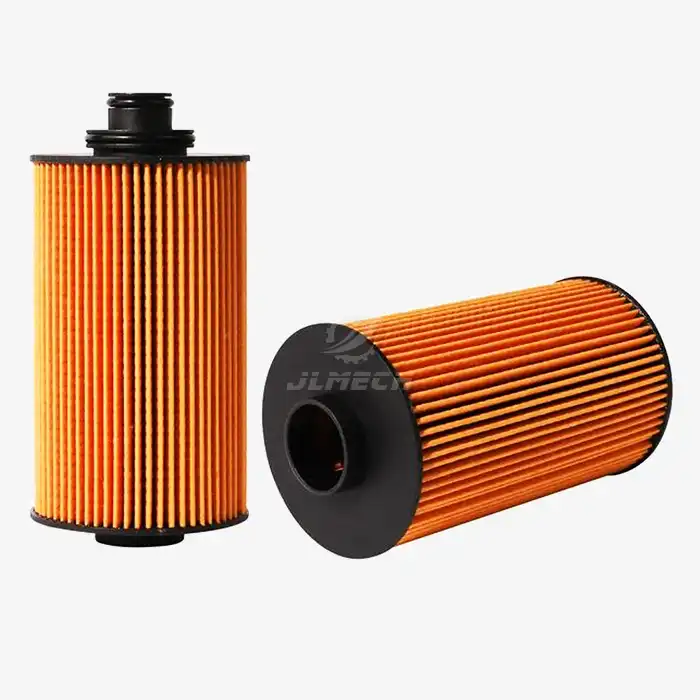
Scheduled Maintenance & Parts
Potential Downtime & Repair Costs
A slightly higher upfront investment in a well-designed, fuel-efficient generator with quality components from a reputable manufacturer typically results in a much lower TCO. It provides reliable power, minimizes operational expenses, and safeguards your business from the high cost of unexpected failure.
Conclusion
The price of a diesel generator is a reflection of its power, quality, features, and compliance. By understanding the factors that contribute to the Diesel Generator Cost, you move from being a price shopper to a value investor. Your goal should be to find the optimal balance between upfront investment and long-term reliability and operating expense, ensuring your power solution is a source of security, not a recurring problem.
Our experts can help you navigate these factors and calculate the true cost of ownership for your specific needs, ensuring you select a generator that delivers maximum value over its entire service life.
Contact us at skala@whjlmech.com for a detailed consultation and a transparent analysis of your best power solution.
References
U.S. Environmental Protection Agency (EPA). (2024). Regulations for Stationary Diesel Engines: Nonroad Compression-Ignition Engines. Retrieved from EPA.gov.
Generator Industry Association (EGSA). (2023). Recommended Practice for Calculating Generator Set Total Cost of Ownership (TCO).