



On the Go: Dos and Don'ts for Operating a Mobile Trailer Generator
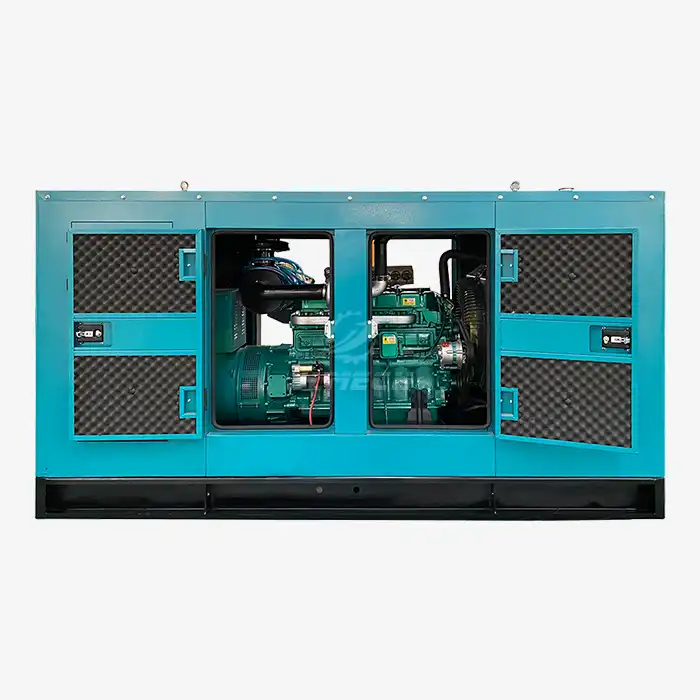
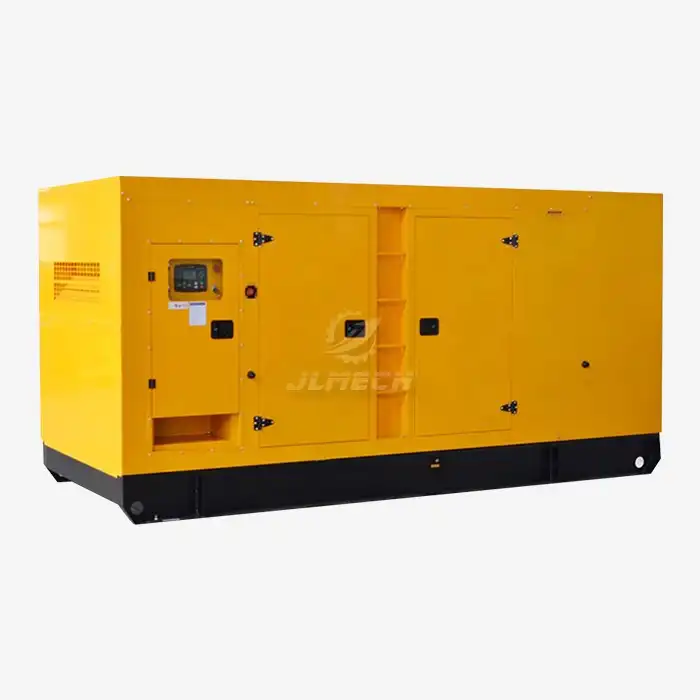
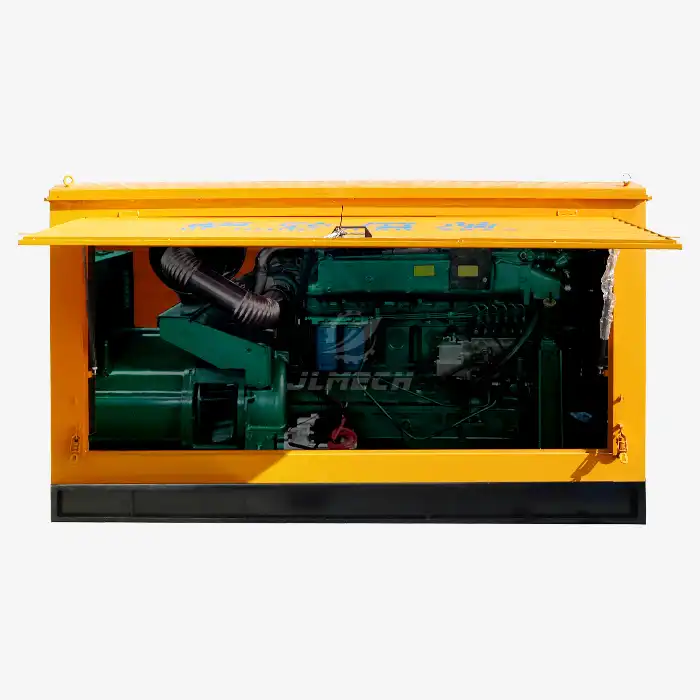
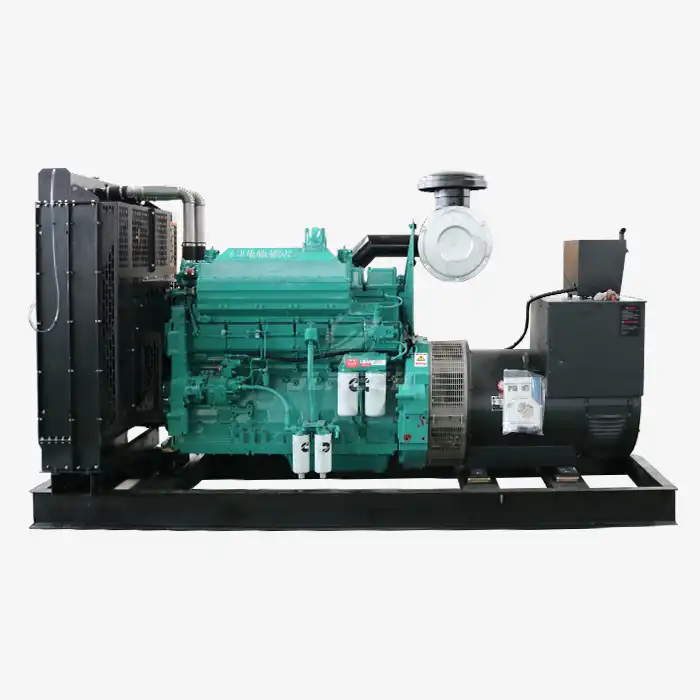
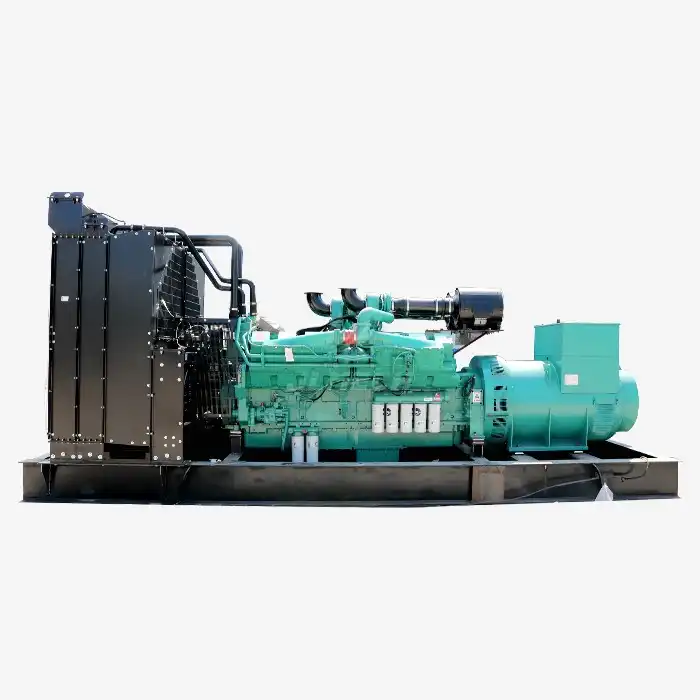
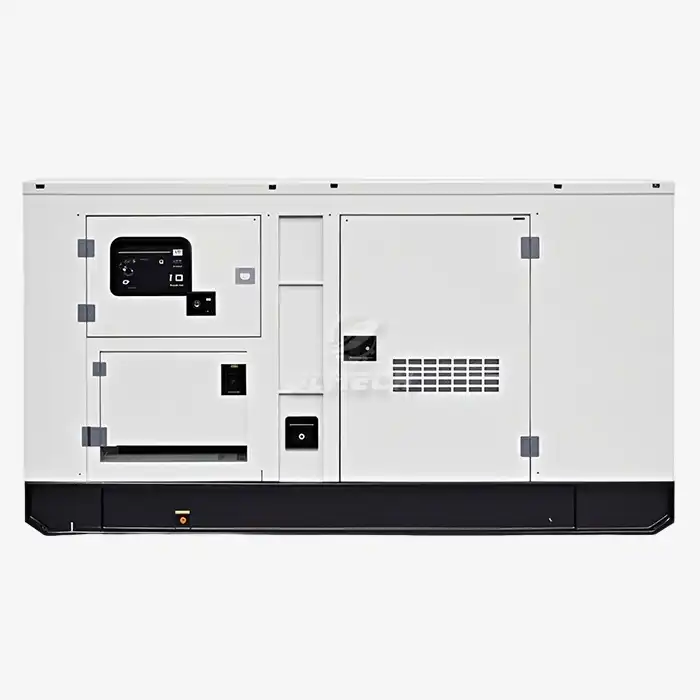
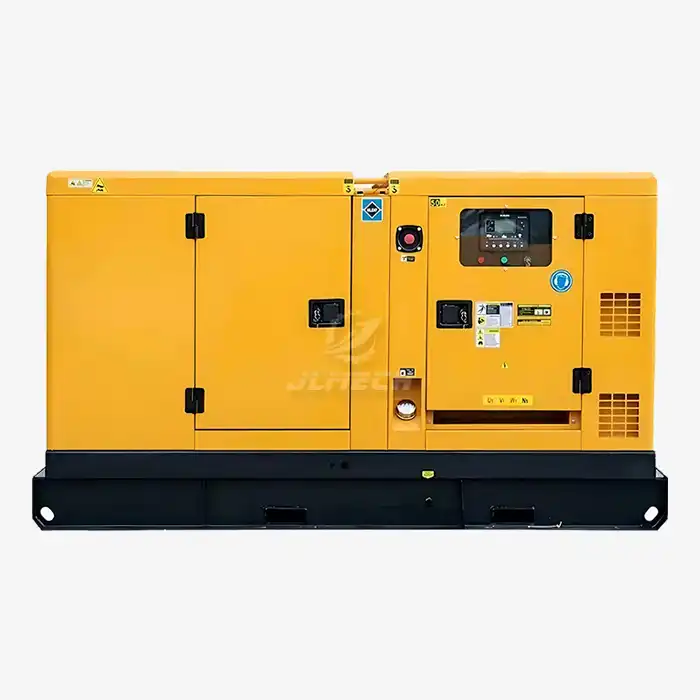
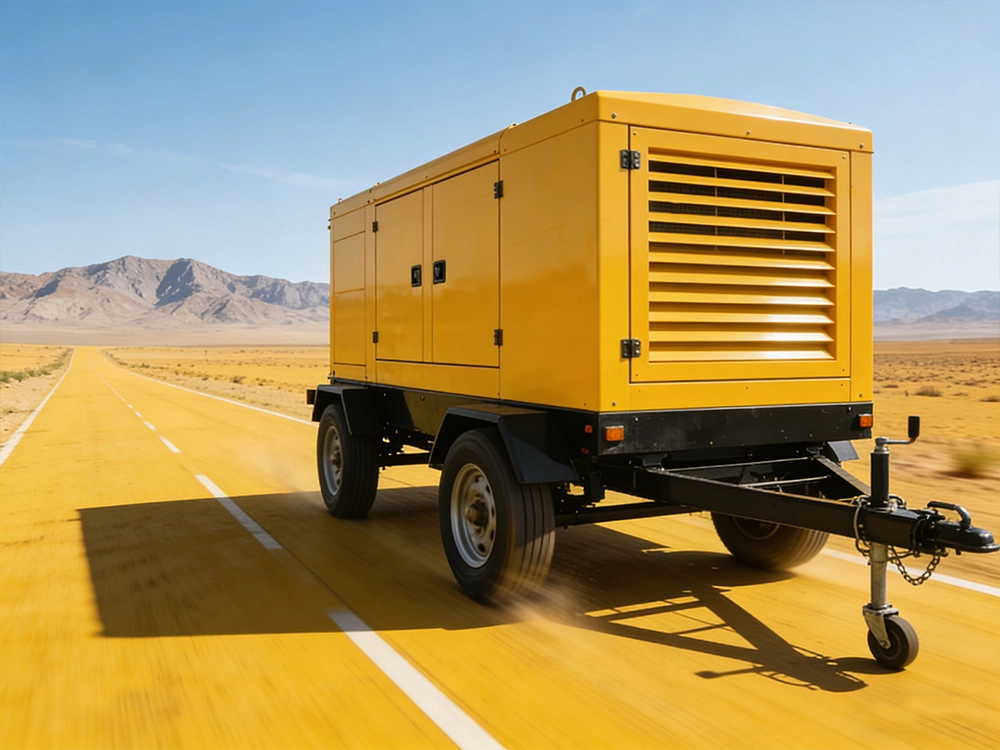
A Mobile Trailer Generator is the ultimate tool for bringing reliable power anywhere it's needed. Whether you're powering a remote construction site, a festival, or providing emergency backup, this unit combines serious power generation with the flexibility of a trailer. However, its mobility also introduces unique challenges and risks that stationary units don't face. Operating it successfully isn't just about starting the engine; it's about a disciplined approach to setup, safety, and shutdown. Think of it not just as a generator on wheels, but as a compact, moving power plant that demands respect and careful handling. This guide outlines the essential dos and don'ts to ensure you get safe, reliable performance from your mobile power asset every time.
Why Mobile Operation Demands Extra Care
Unlike a fixed installation, a Mobile Trailer Generator encounters changing environments with every job. It faces rough terrain during transport, variable weather conditions, and often operates in public or congested workspaces. Each move stresses the chassis and components, and each new location presents unknown ground conditions and proximity hazards. The core principles of generator operation remain, but the "mobile" aspect adds critical layers of responsibility for transport security, site placement, and environmental awareness. Ignoring these can lead to accidents, equipment damage, or failure when you need power the most.
The Dos: Your Checklist for Success
Following these proactive steps will maximize safety, performance, and the lifespan of your unit.
DO: Conduct a Pre-Transport Inspection.
Before hitting the road, secure everything. Check that the generator is properly fastened to the trailer chassis with its locking pins or bolts engaged. Ensure the trailer hitch, safety chains, lights, and brakes are in perfect working order. Verify that all access doors and panels are closed and latched securely.
DO: Choose a Safe, Strategic Operating Site.
Placement is critical. Always position your Mobile Trailer Generator on firm, level ground to prevent fuel starvation and ensure proper oil lubrication. Maintain a minimum clearance of 1-1.5 meters (3-5 feet) on all sides and above for adequate ventilation and cooling. The exhaust must be pointed away from personnel, structures, and air intakes. Consider wind direction to dissipate fumes.
DO: Perform a Pre-Start Check at the New Site.
Once parked and leveled, don't just start it up. Check the engine oil and coolant levels. Inspect for any visible fuel, oil, or coolant leaks that may have developed during transport. Ensure the fuel tank is adequately filled with clean, appropriate fuel.
DO: Ground the Unit Properly.
This is a frequently overlooked but vital step. A trailer with rubber tires isolates the generator frame. You must drive a dedicated grounding rod into the earth at the site and connect it to the generator's grounding point using heavy-gauge cable. This protects against electric shock and ensures proper voltage regulation.
DO: Use Correct, Heavy-Duty Cables for Load Connection.
Your power cables are the final link. Use cables rated for the generator's full output and the job's distance. Connect them securely to the generator's output terminals first, then to your distribution panel or equipment. Keep cables off the ground and protected from trip hazards, water, and sharp edges.
The Don'ts: Critical Mistakes to Avoid
Avoiding these common errors prevents the majority of field problems and safety incidents.
DON'T: Neglect Transport Security.
Never assume a heavy generator won't shift. An unsecured unit can cause catastrophic trailer sway, damage the generator's mounting points, or even come loose on the road. This is a major safety risk to you and others.
DON'T: Operate in Enclosed or Poorly Ventilated Spaces.
This cannot be overstated. Never run a Mobile Trailer Generator inside a building, garage, tent, or under a low canopy—even with doors open. Deadly carbon monoxide gas, which is odorless and colorless, can accumulate rapidly and is fatal. Always operate in a wide-open, outdoor area.
DON'T: Refuel While the Unit is Running or Hot.
A spilled fuel on a hot engine component can cause an immediate fire. Always shut down the generator and allow it to cool for at least 10-15 minutes before refueling. This also prevents thermal shock to the fuel system.
DON'T: Overload the Generator.
Just because it's on a trailer doesn't mean it has infinite power. Know your unit's rated continuous (prime) and standby power in kW. Calculate the total starting and running wattage of your connected equipment. Exceeding the generator's capacity can damage both the generator and your tools, and will likely trigger a shutdown.
DON'T: Skip Post-Operation Maintenance.
After shutting down, perform a walk-around inspection. Look for leaks, loose connections, or damage. Log your operating hours. Following a regular maintenance schedule—oil changes, filter replacements, and thorough cleaning—is even more crucial for a mobile unit exposed to dust and debris.
Conclusion: Power Where You Need It, Safely
A Mobile Trailer Generator is a powerful symbol of independence and capability. By adhering to these fundamental dos and don'ts, you transform this powerful tool from a potential liability into a reliable partner. The discipline of proper setup, safe operation, and diligent maintenance ensures that wherever the job takes you, your power supply will be the last thing you have to worry about.
For more detailed guidance on selecting, operating, or maintaining a mobile power solution tailored to your specific project needs, our team of experts is here to help.
Contact us at skala@whjlmech.com for consultation on the right Mobile Trailer Generator for your applications.
References
Occupational Safety and Health Administration (OSHA). (2023). Standard 1926.404: Wiring Design and Protection for Construction, Grounding. U.S. Department of Labor.
Carbon Monoxide Safety Association (COSA). (2022). Guidelines for Safe Operation of Fuel-Powered Equipment in Enclosed Spaces.
National Fire Protection Association (NFPA). (2022). NFPA 70B: Recommended Practice for Electrical Equipment Maintenance. Chapter on Temporary Power Systems.
Caterpillar Inc. (2023). Operator’s Manual: Safe Operation and Maintenance of Mobile Generator Sets. Caterpillar Energy Solutions.