



What is the RPM in a diesel engine?
When selecting and operating a diesel generator, one of the most critical parameters to understand is diesel engine rpm. RPM, which stands for Revolutions Per Minute, refers to the number of complete rotations the engine's crankshaft makes in one minute. This measurement is fundamentally linked to the power output, efficiency, and longevity of your generator set. Understanding the role and implications of diesel engine rpm is essential for making informed decisions about your power infrastructure, ensuring optimal performance, and avoiding costly operational mistakes. This comprehensive guide will explain everything you need to know about diesel engine RPM and its practical significance for your power generation needs.
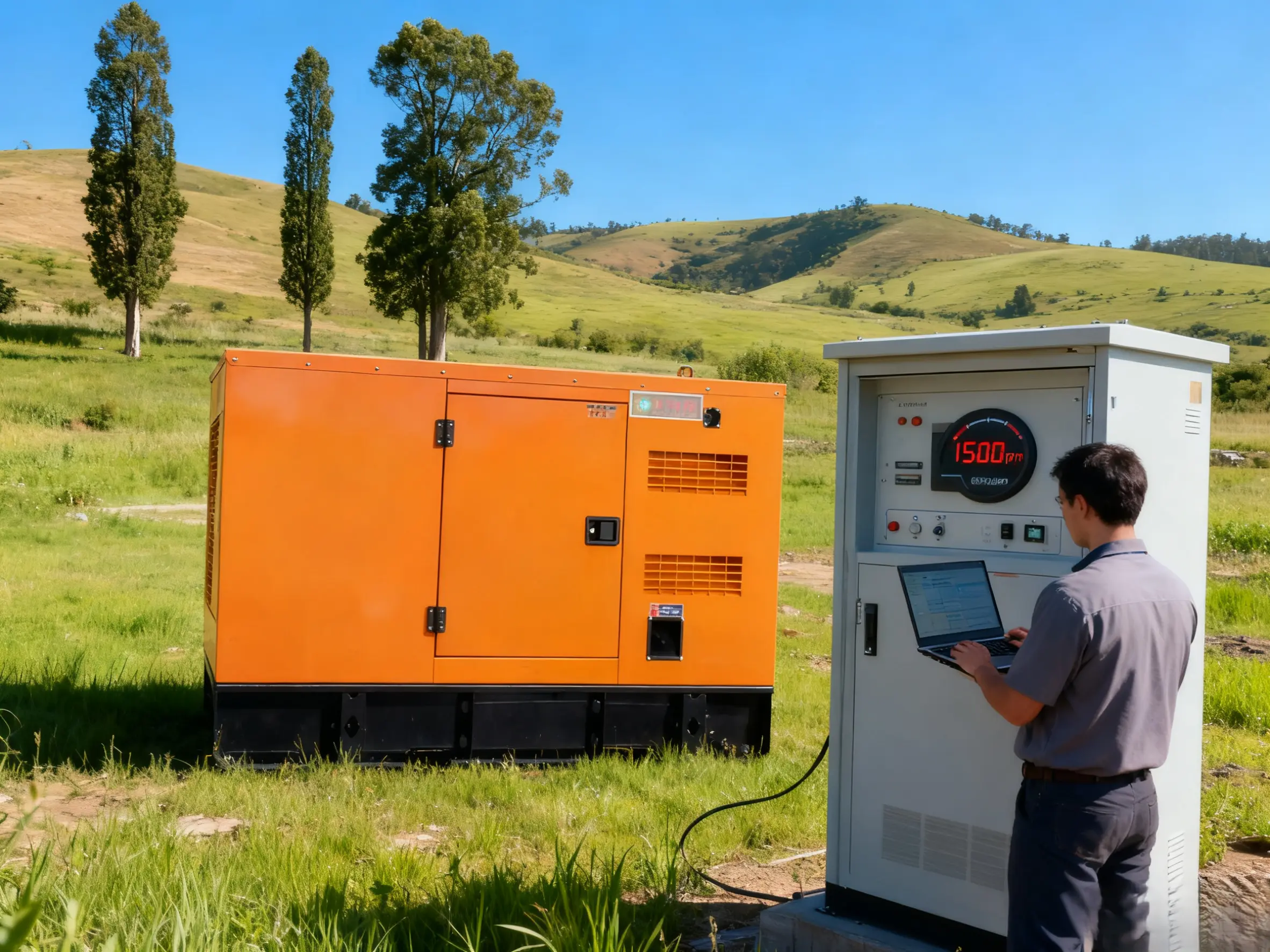
Understanding RPM Basics
RPM is a universal measurement of rotational speed that applies to all engines, including diesel generators.
Fundamental Concept: The crankshaft converts the linear motion of pistons into rotational motion, and this rotation is measured in revolutions per minute.
Power Generation Connection: In a generator, the engine's rotational motion is transferred to the alternator, which produces electricity. The speed of this rotation directly affects the electrical output frequency.
Standard Frequencies: For 50 Hz power systems (common in most countries), generators typically operate at 1500 or 3000 rpm. For 60 Hz systems (such as in North America), standard speeds are 1800 or 3600 rpm.
The relationship between engine speed and electrical output makes diesel engine rpm a critical factor in power quality and consistency.
RPM Ranges for Different Diesel Engines
Not all diesel engines operate at the same rotational speeds. The appropriate diesel engine rpm varies significantly based on the engine's design and intended application.
High-Speed Engines (1000-3600+ rpm): These are typically used for automotive applications and smaller generator sets where compact size and power-to-weight ratio are priorities.
Medium-Speed Engines (300-1000 rpm): Commonly found in larger stationary generators, marine propulsion, and locomotive applications, offering a balance between size and durability.
Low-Speed Engines (below 300 rpm): Primarily used in large marine vessels and industrial applications where immense size and fuel efficiency at constant loads are paramount.
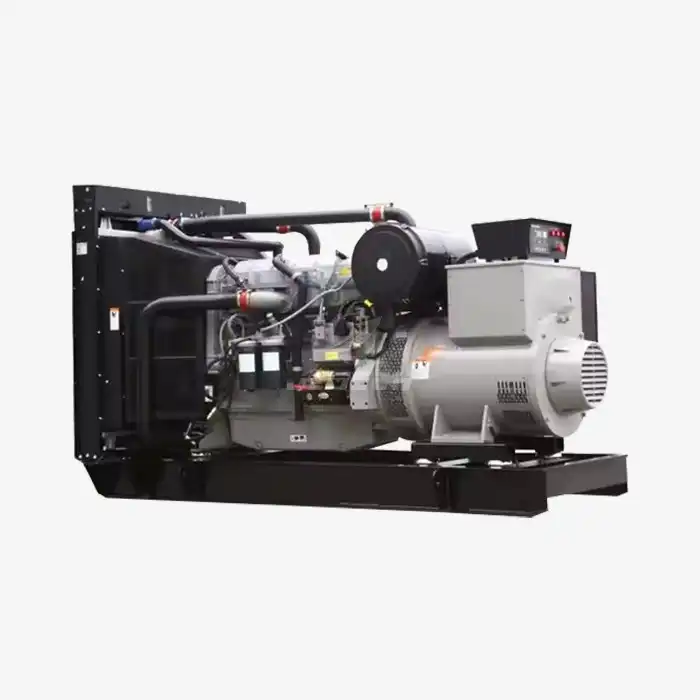
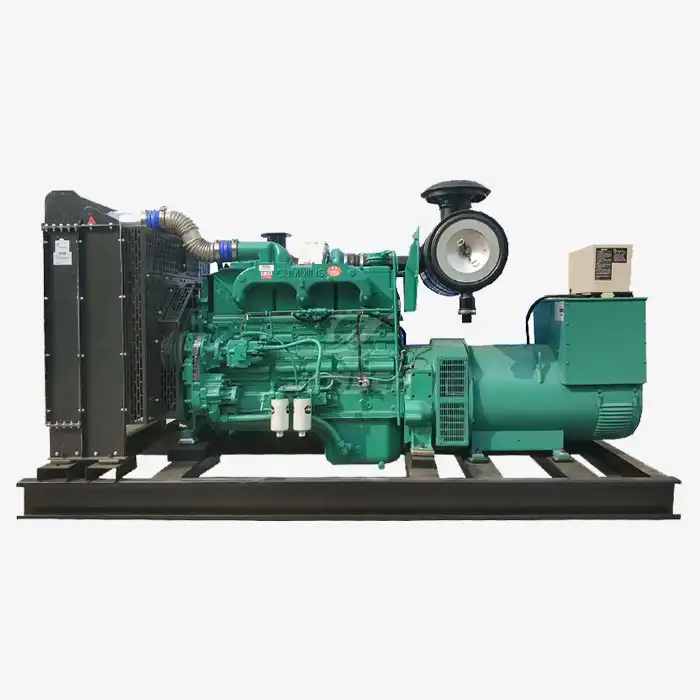
Most standard diesel generators for commercial and industrial use fall into the medium-speed category, typically operating at 1500 or 1800 rpm to directly match alternator requirements for standard power frequencies.
Relationship Between RPM and Power Output
The rotational speed of a diesel engine directly influences its power generation capabilities through several key relationships.
Power Frequency Determination: The generator's output frequency (Hz) is directly proportional to the rotational speed of the engine. This is why maintaining consistent RPM under varying loads is crucial for stable power quality.
Torque and Power Balance: While higher RPM generally enables higher power output, diesel engines are particularly valued for their ability to produce high torque at lower RPMs. This "low-speed torque" characteristic contributes to better load response and fuel efficiency.
Maximum Power Point: Every diesel engine has a specific RPM range where it delivers maximum power efficiency. Operating significantly above or below this optimal range can lead to reduced efficiency and potential engine damage.
Understanding this relationship helps in selecting the right generator for specific applications and operating it within its most efficient parameters.
Factors Influencing Optimal RPM
Several factors determine the ideal operating RPM for a diesel generator, making diesel engine rpm selection a careful balancing act.
Engine Size and Design: Larger engines with bigger components typically operate at lower RPMs to reduce mechanical stress and wear.
Application Requirements: Standby generators for emergency power might operate at different optimal speeds than prime power generators for continuous operation.
Fuel Efficiency Targets: Most diesel engines have a specific RPM range where they achieve optimal fuel efficiency, often between 1,500-2,000 rpm for many applications.
Durability Considerations: Lower RPM operation generally reduces component wear, extending engine life and reducing maintenance requirements.
Load Characteristics: The type of electrical load (constant vs. fluctuating) influences the ideal operating RPM for stable performance.
RPM Impact on Engine Life and Maintenance
The rotational speed of a diesel engine significantly affects its longevity and maintenance requirements.
Wear Reduction: Operating at appropriate RPM levels minimizes friction and wear on moving components, extending service intervals and engine life.
Vibration Concerns: Every engine has resonant frequencies at certain RPM ranges that can amplify vibrations, potentially causing premature component failure.
Maintenance Implications: Consistently operating at excessively high or low RPM can lead to specific maintenance issues, including:
Increased carbon buildup
Fuel injector coking
Turbocharger issues
Bearing and seal wear
Proper diesel engine rpm management is therefore essential for maximizing the operational life of your generator and minimizing total cost of ownership.
Troubleshooting RPM Issues
Several common problems can affect diesel engine RPM stability, and recognizing these issues early can prevent more significant damage.
RPM Fluctuation: Unstable engine speed often indicates problems with the fuel system, such as contaminated fuel, clogged filters, or issues with fuel injectors.
Failure to Maintain Set RPM: This can point to governor malfunctions, sensor failures, or air intake restrictions.
Overspeed Conditions: Potentially dangerous situations where the engine exceeds its maximum safe RPM, often due to governor failure or excessive load shedding.
Underspeed Conditions: The engine struggles to reach or maintain target RPM, typically resulting from overloads, fuel supply issues, or mechanical problems.
Regular monitoring and prompt attention to RPM irregularities are essential for maintaining generator reliability and preventing catastrophic failures.
Selecting the Right RPM for Your Application
Choosing the appropriate operating speed for your diesel generator involves considering several application-specific factors.
Frequency Requirements: Your local power standard (50 Hz or 60 Hz) will largely determine the necessary operational RPM for your generator.
Load Profile: Applications with constant loads can often utilize different RPM strategies than those with highly variable demand.
Noise Considerations: Lower RPM engines typically operate more quietly, which can be important for urban installations or noise-sensitive environments.
Lifecycle Cost Analysis: While higher RPM generators might have lower initial costs, lower RPM units often offer better longevity and reduced maintenance expenses.
Manufacturer Recommendations: Always consult manufacturer specifications and guidelines for the optimal operating parameters of your specific generator model.
Conclusion
Understanding diesel engine rpm is fundamental to selecting, operating, and maintaining an efficient and reliable generator system. The appropriate rotational speed affects everything from power quality and fuel efficiency to engine longevity and maintenance costs. By recognizing the relationship between RPM and generator performance, you can make informed decisions that optimize your power infrastructure for your specific needs. Remember that consistent RPM maintenance is not just about keeping the lights on—it's about protecting your investment and ensuring operational continuity when you need it most.
Our team of generator specialists has extensive experience helping clients select and maintain the ideal power solutions for their specific requirements. For personalized assistance with your generator needs, contact our technical experts at skala@whjlmech.com.
References
Johnson, M. (2022). Emergency Power Systems: A Comprehensive Guide to High-Speed Diesel Generators. Power Engineering Quarterly, 45(3), 78-92.
Ningbo C.S.I. Power & Machinery Group Co., Ltd. (2021). DN340 Marine Diesel Engine Specifications.
Gong, Z. (2025). Analysis and Treatment of Speed Fluctuation in Power Generation Diesel Engines. Ship Machinery Help.
Snap-On Inc. (2010). Adapter, RPM, Diesel Engine MTRPMD.
HighMotor Automotive Institute. (2023). Proper Engine RPM Ranges for Different Fuel Types.