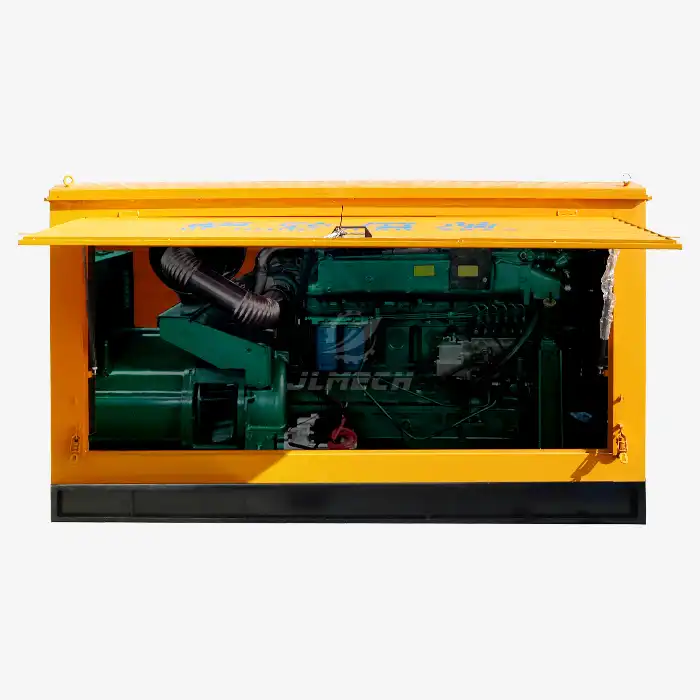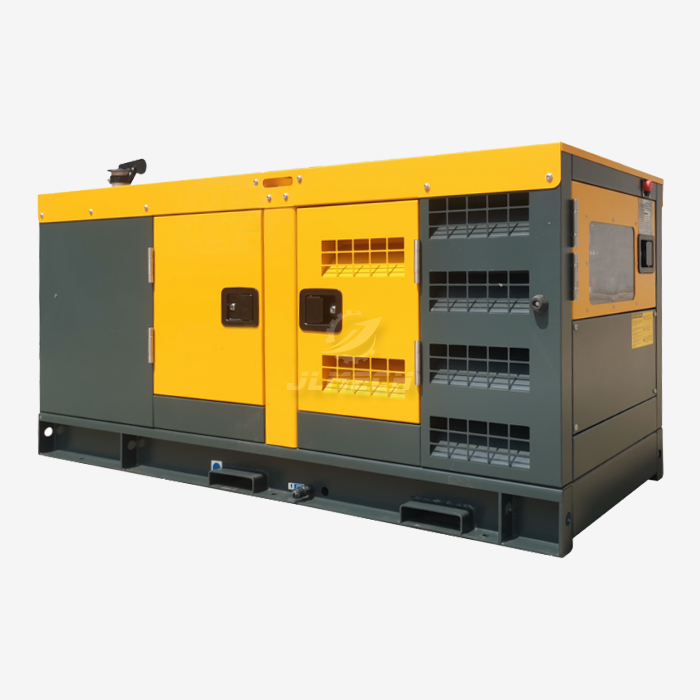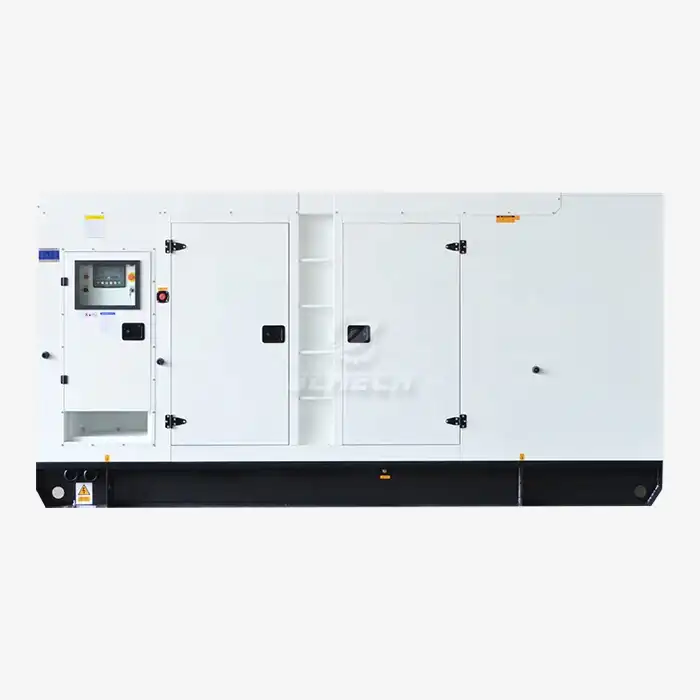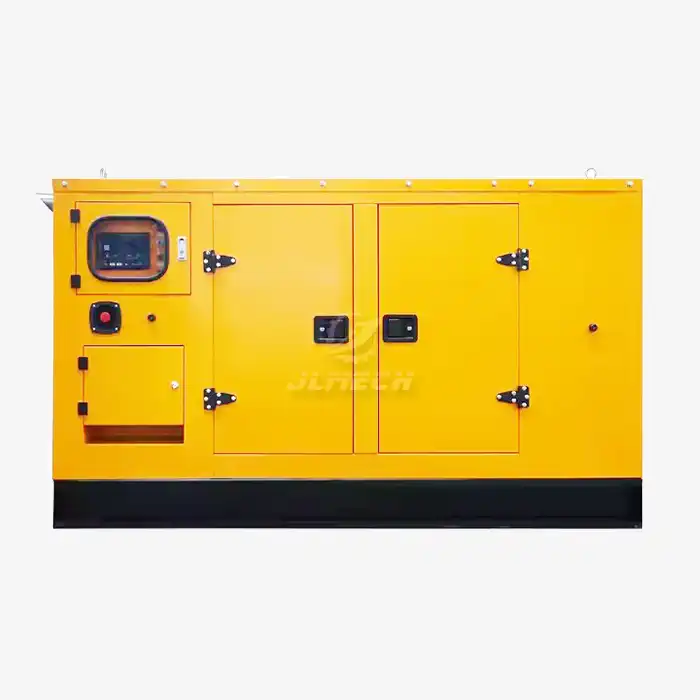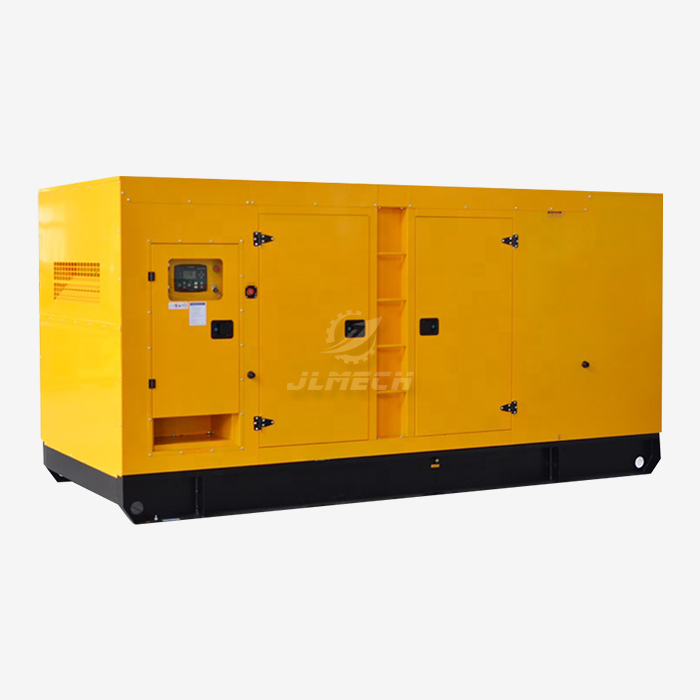




What are generator auxiliaries?
When most people think about generators, they picture the main engine and alternator. However, the reliable performance and longevity of any power generation system depend heavily on a network of supporting components known as generator auxiliary systems. These are the critical subsystems that ensure the primary generator operates efficiently, safely, and continuously. Understanding these systems is not just technical jargon—it's essential for maximizing your equipment's lifespan, preventing costly downtime, and ensuring operational reliability. From fuel management to cooling and control mechanisms, generator auxiliary systems form the backbone of any dependable power solution.
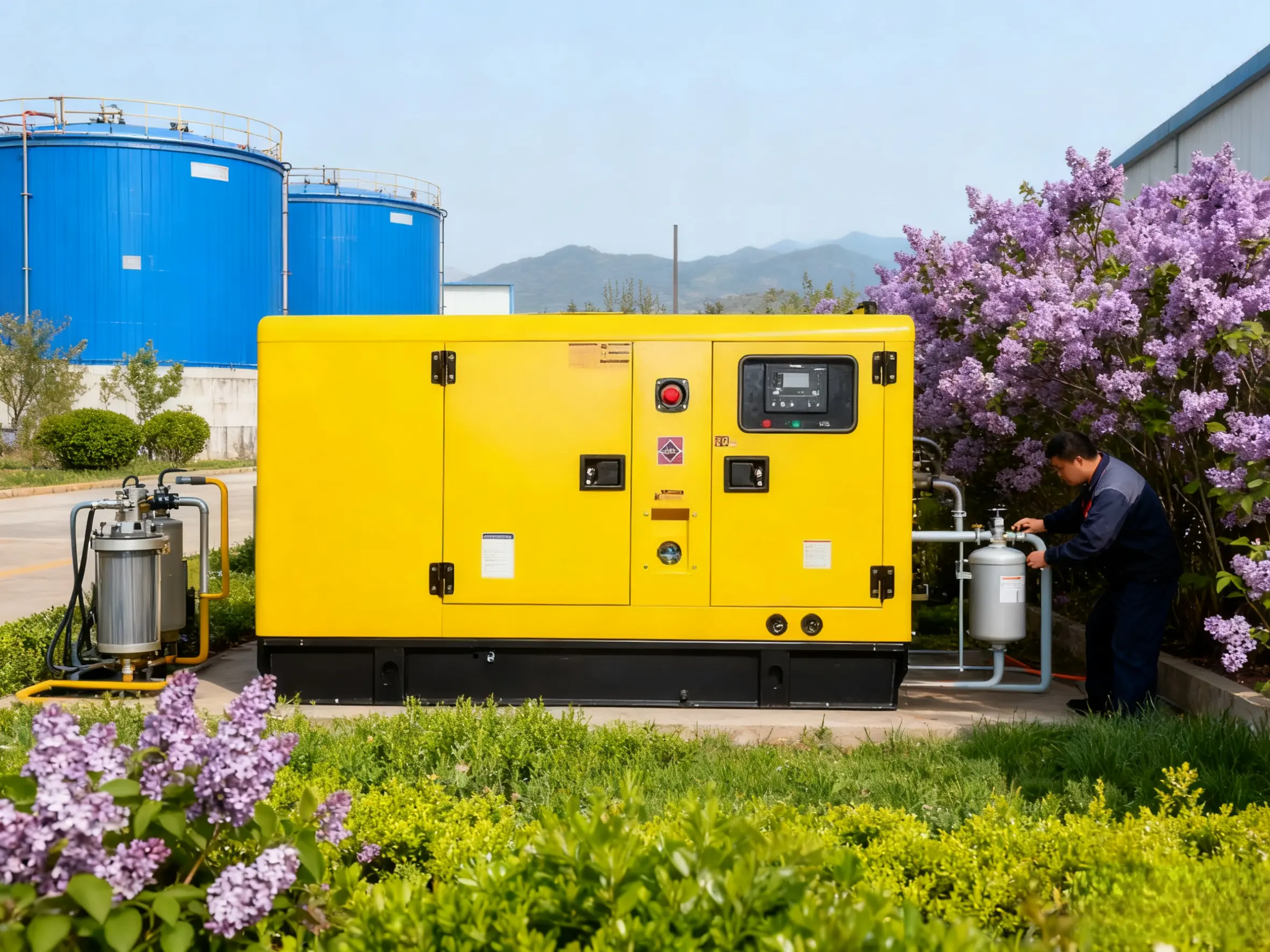
Core Components
A generator auxiliary systems framework consists of several integrated components, each serving a specific vital function. The main elements include:
Fuel System: This includes the fuel tank, filters, pumps, and piping that deliver clean, consistent fuel to the engine. Proper design prevents contamination and ensures stable operation.
Lubrication System: Comprising the oil pump, filters, and coolers, this system minimizes friction and wear on moving engine parts, significantly extending the equipment's service life.
Cooling System: Typically featuring a radiator, coolant pump, and fan, this system dissipates excess heat from the engine to prevent overheating and maintain optimal operating temperatures.
Exhaust System: This includes the exhaust piping and muffler that safely guide combustion gases away from the unit while reducing noise emissions.
Starting System: Usually consisting of a battery and electric starter motor, this system provides the initial power to crank and start the engine.
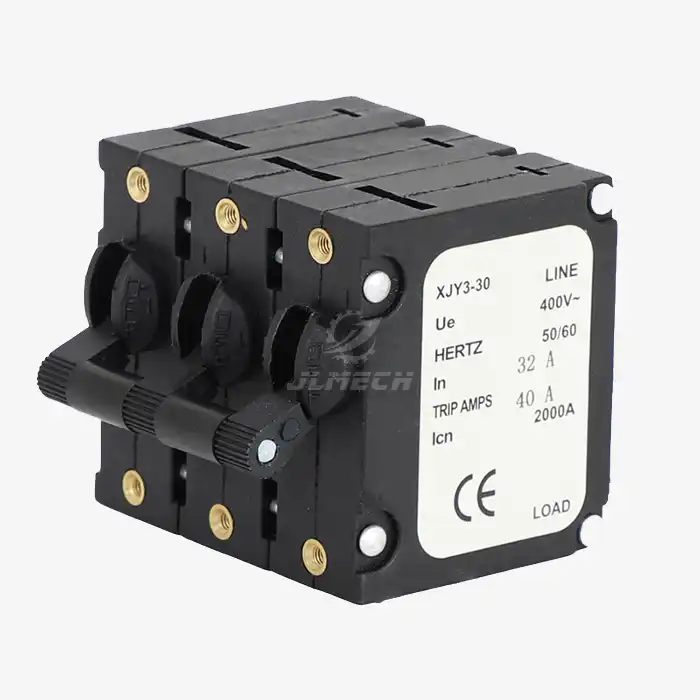
Control and Monitoring Systems: These encompass sensors, switches, and control panels that monitor operational parameters and automate generator functions.
Fuel System
The fuel system is the lifeblood of your generator, requiring careful design and maintenance to ensure uninterrupted operation:
Fuel Quality Management: Modern systems incorporate water separators and particulate filters to protect the engine from contaminated fuel, which is a leading cause of injector failure and power loss.
Delivery Components: Electric or mechanical fuel pumps maintain consistent pressure to the injection system, while properly sized fuel lines and tanks provide adequate supply for the intended runtime.
Maintenance Practices: Regular filter replacement, tank cleaning, and fuel testing are essential preventive measures. For standby generators, fuel stabilizers and periodic cycling help prevent degradation during storage.
Cooling and Lubrication
These parallel systems work in tandem to manage engine temperatures and reduce mechanical wear:
Cooling System Configuration: The cooling system uses a coolant mixture circulated by a water pump through the engine block and cylinder head, with a radiator and fan dissipating the heat to the atmosphere. Proper coolant quality and concentration are critical to prevent freezing, boiling, and corrosion.
Lubrication System Operation: The lube oil system employs a gear-driven oil pump that pressurizes oil to lubricate the engine's crankshaft, connecting rods, and other moving components. Oil filters remove contaminants, while the oil cooler helps maintain optimal viscosity by regulating temperature.
Exhaust and Starting Systems
These systems handle critical safety functions and ensure reliable startup:
Exhaust System Design: Properly sized exhaust piping minimizes backpressure, which can reduce engine efficiency and increase fuel consumption. High-quality mufflers are essential for noise reduction, particularly in urban installations or noise-sensitive environments.
Starting System Components: The starting system's battery, battery charger, and electric starter must be correctly sized for the engine to ensure reliable cold starts. Regular battery testing and maintenance prevent the majority of starting failures.
Control and Monitoring
Modern generator auxiliary systems incorporate sophisticated electronic controls that significantly enhance reliability:
Monitoring Capabilities: Sensors continuously track critical parameters including coolant temperature, oil pressure, fuel level, and engine speed. This data is displayed on the control panel and can trigger automatic shutdowns to prevent damage under abnormal conditions.
Control Functions: Modern systems feature electronic governors for precise speed regulation, automatic transfer switches for seamless power transition during outages, and network connectivity for remote monitoring and control.
Importance for Reliability
A well-designed auxiliary system directly impacts your generator's overall reliability and performance in several key ways:
Preventing Common Failures: Properly maintained auxiliary systems prevent up to 70% of common generator failures related to fuel contamination, overheating, and battery issues.
Extending Equipment Life: Effective filtration, lubrication, and cooling can double the operational lifespan of critical generator components.
Ensuring Power Availability: For standby applications, reliable auxiliary systems guarantee that the generator will start and accept load immediately when main power fails.
Maintenance Best Practices
Proactive maintenance of your generator auxiliary systems is more cost-effective than dealing with unexpected breakdowns:
Scheduled Servicing: Follow manufacturer recommendations for regular filter changes, fluid analysis, and system inspections. Create and adhere to a comprehensive maintenance checklist.
Performance Testing: Conduct regular system tests under load conditions to verify all components are functioning correctly. Load bank testing can reveal issues that might not appear during routine no-load testing.
Preventive Replacement: Replace wear components like belts, hoses, and filters before they fail based on service intervals or condition monitoring.
Conclusion
Generator auxiliary systems are not mere accessories but integral components that determine the reliability, efficiency, and longevity of your power generation equipment. From ensuring clean fuel delivery to maintaining optimal operating temperatures and providing critical monitoring data, these systems work in concert to protect your investment and ensure operational continuity. A comprehensive understanding and proactive maintenance of these systems is essential for anyone relying on generator power for critical operations.
Our engineering team specializes in designing and maintaining complete generator auxiliary systems tailored to your specific operational requirements. For professional guidance on optimizing your generator's performance and reliability, contact our experts at skala@whjlmech.com.
References
Abdulqader, M. (2006). Diesel Generator Auxiliary Systems and Instruments. Lulu.com.
Caterpillar Inc. (2023). *Cat C18 Auxiliary/Generator Set Engine Specifications*. Mantrac Group.
International Organization for Standardization. (2018). *ISO 8528-1:2018 Reciprocating internal combustion engine driven generating sets — Part 1: Application, ratings and performance*.
Johnson, M. (2022). Emergency Power Systems: A Comprehensive Guide to High-Speed Diesel Generators. Power Engineering Quarterly, 45(3), 78-92.