




Is high RPM good for a diesel engine?
When selecting and operating diesel generators, one of the most frequent questions we encounter is whether high diesel engine rpm is beneficial or detrimental. The answer isn't a simple yes or no—it's a matter of context, application, and balancing trade-offs. Understanding the implications of operating at elevated rotational speeds is crucial for optimizing performance, ensuring longevity, and maximizing the return on your power generation investment. While high diesel engine rpm can deliver certain advantages in specific scenarios, it typically comes with significant compromises in durability, maintenance requirements, and operational costs that must be carefully considered.

Understanding RPM in Context
Revolutions per minute (RPM) measures how many complete rotations the engine's crankshaft makes in one minute. This fundamental parameter directly influences:
Power Output: Generally, higher RPM enables higher power output from a smaller displacement engine
Frequency Stability: For generators, RPM directly determines output frequency (1500/1800 RPM for 50/60 Hz)
Engine Stress: Higher rotational speeds increase mechanical forces and thermal loading on components
The appropriate RPM range varies significantly based on engine design, with some industrial engines optimized for 1800 RPM operation while others perform better at 1500 RPM or lower.
Advantages of Higher RPM Operation
In specific applications and design contexts, elevated operational speeds can offer distinct benefits:
Power Density: Higher RPM allows more power output from a physically smaller engine package, beneficial where space constraints exist
Responsive Performance: Elevated rotational speeds can provide quicker response to load changes in certain engine designs
Cost Considerations: Initially, high-speed engines may present lower acquisition costs compared to slower-speed counterparts of equivalent power rating
Weight Efficiency: The power-to-weight ratio typically improves with increased operational speeds
These advantages make higher diesel engine rpm attractive for applications where compact dimensions, initial cost, or weight considerations take priority over long-term durability.
Disadvantages and Risks
The compromises associated with sustained high-RPM operation are substantial and often outweigh the benefits for most industrial applications:
Accelerated Component Wear: Higher speeds increase friction, heat, and mechanical stress on bearings, pistons, rings, and valvetrain components
Reduced Engine Longevity: The cumulative effect of increased wear typically shortens the engine's operational lifespan
Elevated Maintenance Costs: More frequent oil changes, filter replacements, and component overhauls become necessary
Increased Fuel Consumption: Mechanical and thermal inefficiencies often rise at elevated operating speeds
Noise and Vibration: Higher RPM typically generates increased audible noise and potentially damaging vibration levels
These factors collectively increase the total cost of ownership and may compromise reliability in critical power applications.
Design and Engineering Considerations
Engine manufacturers approach RPM optimization through several key design strategies:
Component Strength: High-speed engines require precision-balanced rotating assemblies, specialized bearings, and reinforced connecting rods
Cooling Capacity: Enhanced cooling systems are essential to manage increased thermal loads at elevated speeds
Lubrication Systems: High-pressure oil delivery and specialized formulations become necessary to protect components
Combustion Optimization: Fuel injection timing and duration must be precisely calibrated for efficient combustion at target RPM
The engineering compromises made for high-RPM operation often reduce the engine's tolerance for inadequate maintenance or operating outside design parameters.
Application-Specific Recommendations
The optimal RPM strategy varies significantly based on operational requirements:
Standby Generators: 1500/1800 RPM provides the best balance of reliability and cost for emergency backup systems
Prime Power Applications: Lower RPM operation (1200-1500 RPM) typically offers superior longevity and reduced operating costs
Mobile Applications: Higher RPM may be acceptable where weight and space constraints outweigh durability concerns
Marine Propulsion: Medium-speed operation (750-1200 RPM) through reduction gearing often provides the optimal balance
Understanding your specific operational profile is essential for selecting the appropriate diesel engine rpm for your application.
Maintenance Implications
Operating at higher rotational speeds necessitates more rigorous maintenance protocols:
Shortened Service Intervals: Oil changes, filter replacements, and inspections must occur more frequently
Enhanced Monitoring: Regular vibration analysis, oil sampling, and thermal imaging help identify developing issues
Component Replacement: Wear items like injectors, pumps, and bearings require more frequent attention
Cooling System Demands: Radiators, heat exchangers, and coolant require meticulous maintenance to prevent overheating
The maintenance intensity and associated costs increase substantially with operating speed, directly impacting total cost of ownership.
Fuel Efficiency Considerations
The relationship between RPM and fuel efficiency follows a generally predictable pattern:
Optimal Efficiency Range: Most diesel engines achieve peak fuel efficiency within a specific RPM band, typically at moderate speeds
Friction Losses: Mechanical friction increases exponentially with rotational speed, reducing overall efficiency
Pumping Losses: Air intake and exhaust system losses escalate at elevated RPM
Combustion Efficiency: The limited time for complete combustion at very high speeds can reduce efficiency
For most applications, operating at the lowest practical RPM that meets power requirements delivers the best fuel economy.
Long-Term Durability Impact
The effect of sustained high-RPM operation on engine lifespan is significant and measurable:
Component Fatigue: Mechanical components experience accelerated fatigue failure at higher operational speeds
Bearing Life: Bearing lifespan typically decreases exponentially with increasing rotational velocity
Thermal Stress: Repeated heating and cooling cycles at elevated temperatures promote cracking and material degradation
Wear Progression: The rate of cylinder liner, ring, and bearing wear increases substantially with RPM
Selecting an engine designed for sustainable operation at your required speed parameters is crucial for maximizing service life and minimizing lifetime costs.
Conclusion
The question of whether high diesel engine rpm is beneficial requires careful consideration of your specific priorities and operational requirements. While elevated rotational speeds can provide advantages in power density and initial cost, these benefits typically come at the expense of long-term reliability, operating costs, and engine longevity. For most industrial and standby power applications, moderate RPM operation (1500-1800 RPM) provides the optimal balance of performance, durability, and total cost of ownership. The key is matching the engine's design characteristics to your specific operational needs and maintenance capabilities.
Our technical team can help you select the ideal generator configuration for your specific application requirements and operational priorities. For personalized assistance in optimizing your power generation strategy, contact our experts at skala@whjlmech.com.
References
Johnson, M. (2022). Emergency Power Systems: A Comprehensive Guide to High-Speed Diesel Generators. Power Engineering Quarterly, 45(3), 78-92.
Generator Manufacturers Association. (2021). Guidelines for Rating and Application of Generator Sets. GMA Technical Publication TP-101.
International Organization for Standardization. (2018). Reciprocating internal combustion engine driven generating sets — Part 1: Application, ratings and performance (ISO 8528-1:2018).
National Fire Protection Association. (2020). Standard for Emergency and Standby Power Systems (NFPA 110).
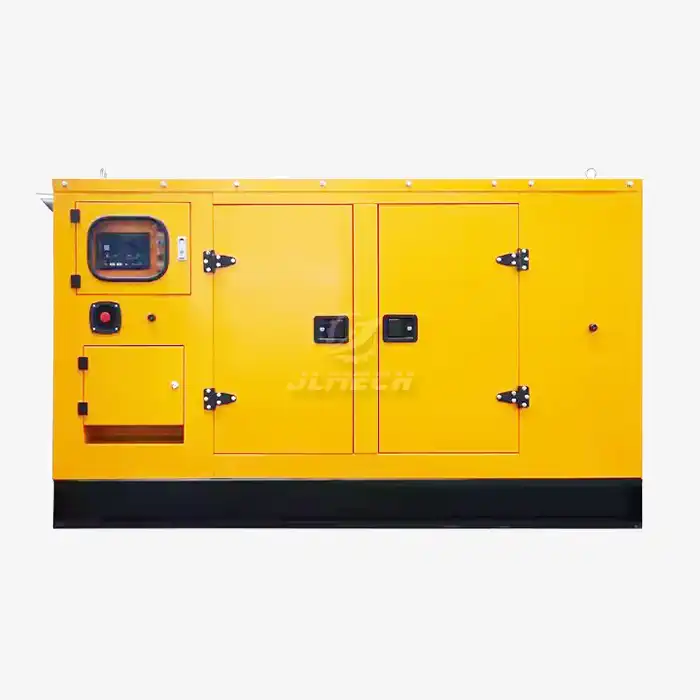 VIEW MOREElectric start diesel generator
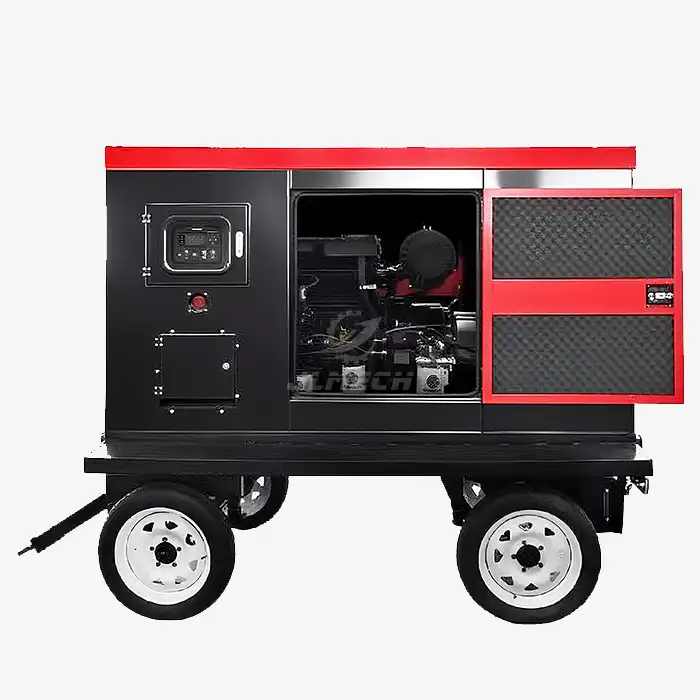 VIEW MOREMobile Trailer Diesel Generator
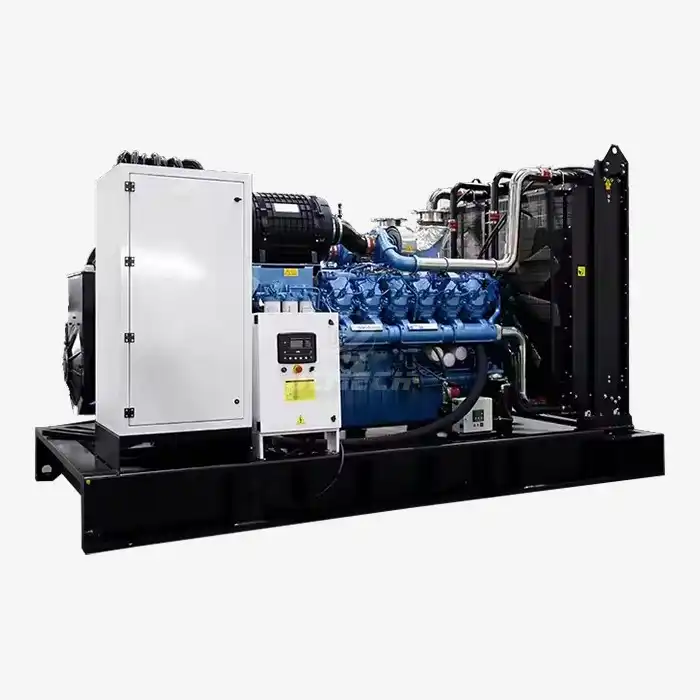 VIEW MOREAutomatic Start Diesel Generator
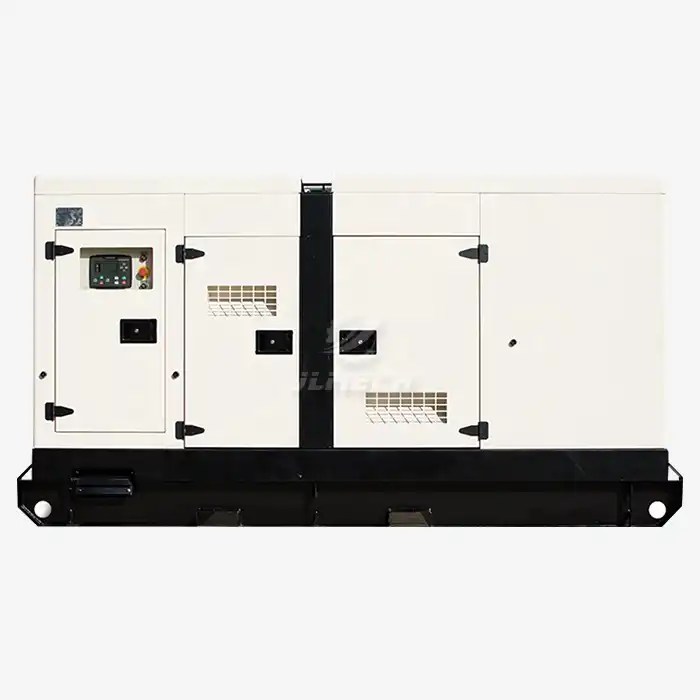 VIEW MOREDiesel generators used in hospitals
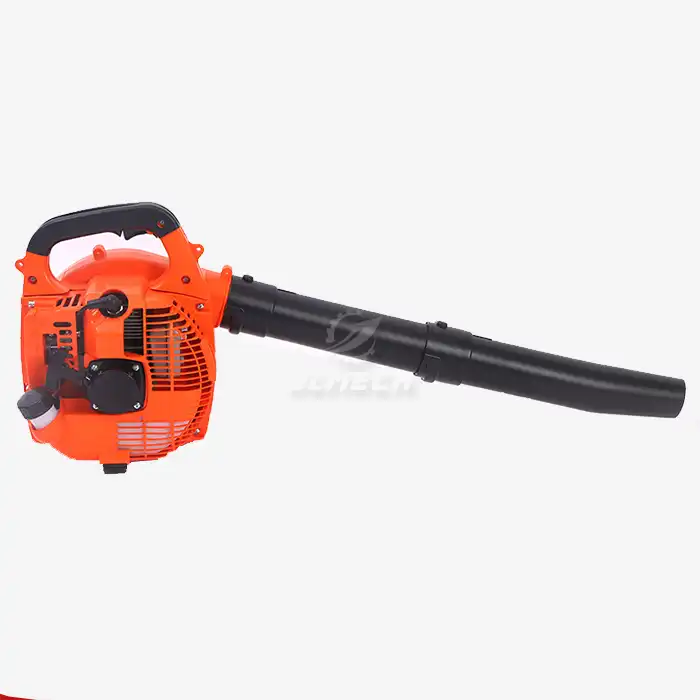 VIEW MOREcordless leaf blower machine
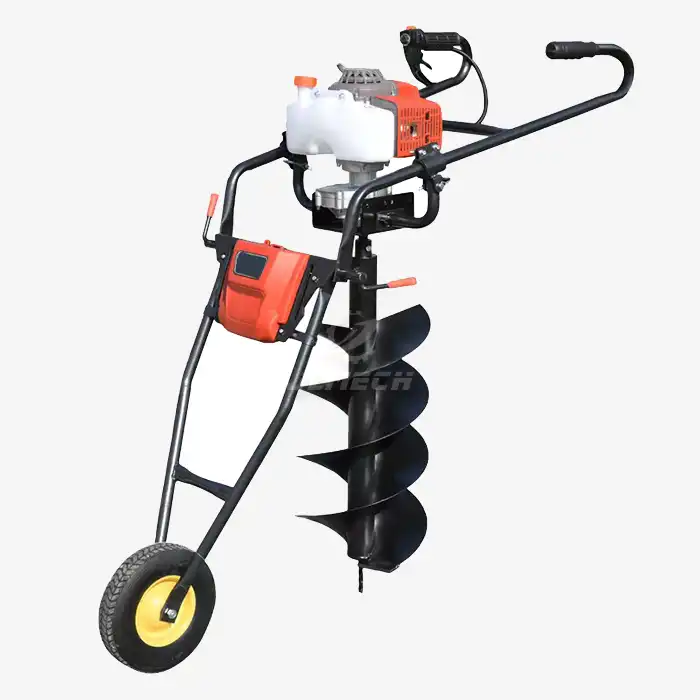 VIEW MOREearth auger with trolley
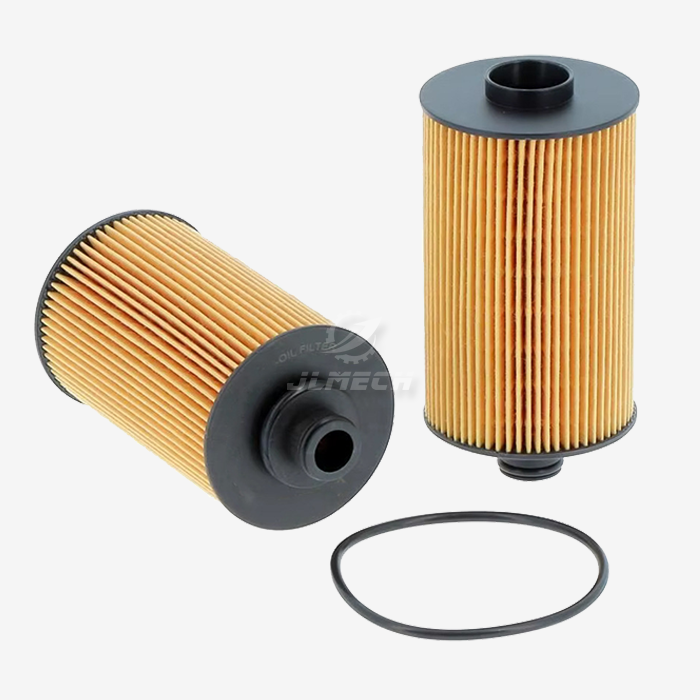 VIEW MOREEngine oil filter element
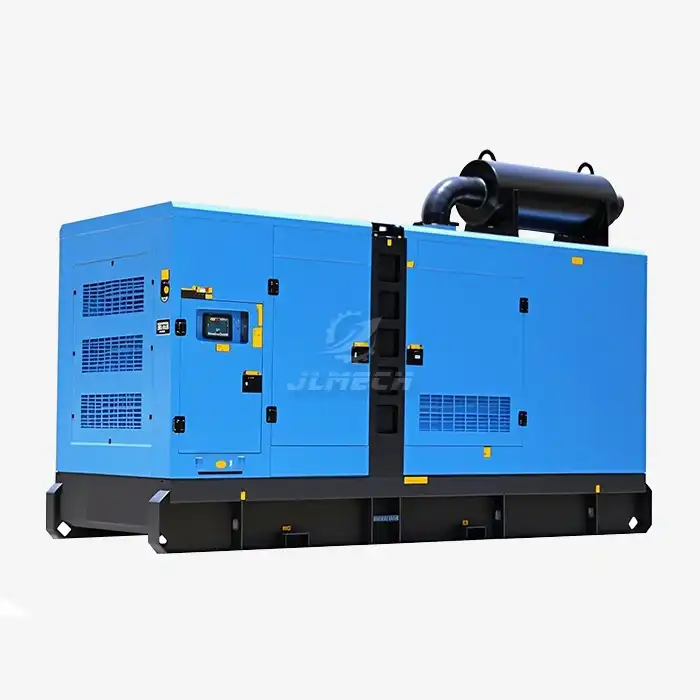 VIEW MOREbig generator diesel generator silent