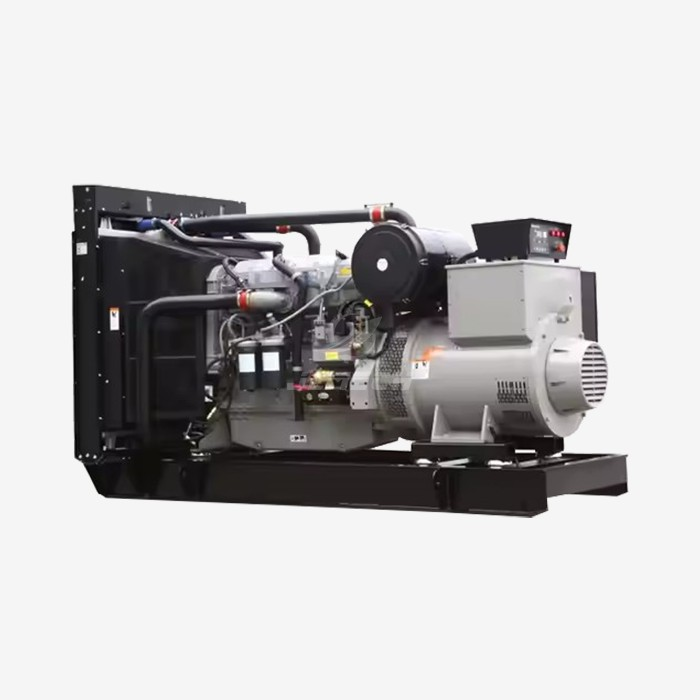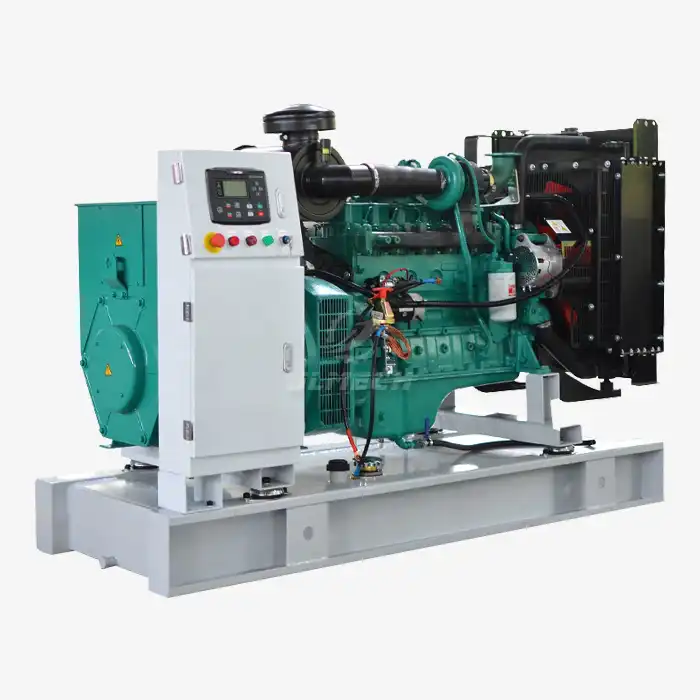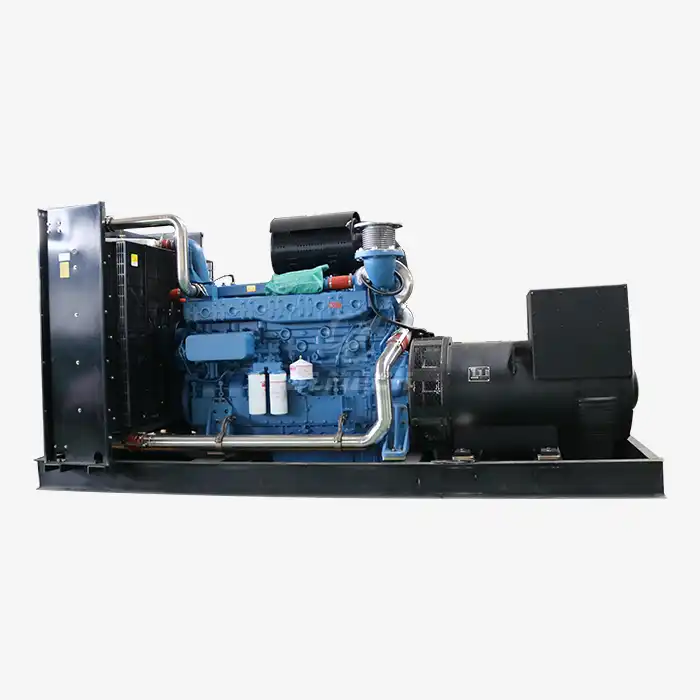




The Unseen Danger: Why You MUST Periodically Drain Fuel from Your Industrial Generator
Your Industrial Generator is a critical asset, designed to start reliably after sitting idle for weeks or months. Yet, many owners unknowingly jeopardize this reliability by overlooking one simple maintenance task: periodically draining and refreshing the fuel in the day tank and supply lines. Unlike engine oil, diesel fuel is often considered "stable" and left untouched. This misconception is the root cause of the most common and preventable failures in standby power systems.
This article reveals the hidden processes degrading your fuel and provides a clear, actionable guide to protect your investment from within.

The Silent Saboteurs: What Happens to Stored Diesel Fuel
Diesel fuel begins to degrade the moment it leaves the refinery. In the tank of your Industrial Generator, three primary enemies work silently:
Oxidation and The Formation of Solids: Diesel reacts with oxygen, forming insoluble gums and varnishes. These sticky polymers coat fuel filters, injectors, and pumps.
Water Contamination: The Catalyst for Disaster: Water enters through condensation as tanks "breathe" with daily temperature cycles. This water settles at the bottom of the tank (as diesel is less dense), creating a perfect environment for the third and most destructive enemy.
Microbial Growth (The “Diesel Bug”): Bacteria and fungi feed on the hydrocarbons in the fuel, thriving in the water-diesel interface. They form slimy biomass that clogs filters and produces corrosive acids that pit and damage precision metal components in the fuel system.
The Domino Effect of Contaminated Fuel on Your System
Ignoring fuel quality doesn’t just cause a single problem; it triggers a chain reaction of failures. The journey of bad fuel through your Industrial Generator is costly:
Clogged Filters: Sludge and biomass rapidly block primary and secondary fuel filters, causing increased fuel pump strain and eventual fuel starvation.
Injector Damage: Abrasive particles and varnish deposits foul or clog injector nozzles. This leads to poor fuel atomization, resulting in hard starting, rough running, black smoke, and a severe loss of engine power and efficiency.
Fuel Pump Failure: The acidic byproducts of microbial growth corrode pump components, while sticky residues cause wear and seizure.
Corrosion and Tank Damage: Water at the bottom of the tank accelerates internal rust, which can breach the tank over time and introduces more particulates into the system.
How to Drain Fuel: A Safe, Step-by-Step Procedure
Regularly draining water and sediment from the tank sump is essential. Here’s how to do it safely:
Safety First: Work in a ventilated area. Have a Class B fire extinguisher nearby. Wear safety glasses and chemical-resistant gloves.
Locate the Drain Valve: Find the manual drain valve (often called a "petcock" or "sump drain") at the lowest point of the fuel tank.
Prepare Containers: Place an approved fuel container under the drain valve. Use a clear container to better inspect what comes out.
Drain a Sample: Open the valve slowly and drain a quart or liter into the clear container. Allow it to settle. You will likely see a distinct separation: clean diesel on top, water in the middle, and sediment or sludge at the bottom.
Drain Until Clean: Continue draining until only clean, clear, water-free fuel flows. Properly dispose of the contaminated fuel and water according to local environmental regulations.
Integrating Fuel Draining into Your Maintenance Schedule
Make fuel tank draining a routine checkpoint. We recommend the following integrated maintenance schedule for your Industrial Generator:
Monthly/Pre-Startup Check: Visually inspect for water and sediment at the tank sump drain. This is the absolute minimum.
Quarterly/Every 3 Months: Perform a full water and sediment drain as described above. This is the recommended standard for most climates.
Bi-Annually/Every 6 Months: For critical facilities or in humid environments, schedule a professional fuel polishing service. This system circulates and cleans all the fuel in the tank through multi-stage filtration, removing water, microbes, and solids.
Annually: Test a fuel sample for microbial growth. Consider adding a biocidal fuel stabilizer only after consultation with your fuel supplier and after draining any water, as biocides will settle in the water layer.
Beyond Draining: Proactive Fuel Management Strategies
Draining treats the symptom; good fuel management prevents the disease.
Practice Fuel Rotation: If possible, size your tank so fuel is consumed within 12-18 months. "First In, First Out" is the golden rule.
Keep Tanks Full: A full tank leaves less air space, minimizing condensation that causes water accumulation.
Use Fuel Stabilizers and Biocides Judiciously: Consider using stabilizers for long-term storage. Use EPA-registered biocides only as a preventive or corrective measure under expert guidance.
Install a Fuel Polishing System: For the highest level of protection, a permanently installed, automated fuel polishing system continuously filters and conditions the fuel, ensuring it is always ready for use.
Recognizing the Warning Signs of Fuel Problems
Don't wait for a failure. Be alert to these early indicators:
Increased frequency of fuel filter changes.
Dark, cloudy fuel in the filter bowl or drain sample.
Unexplained loss of engine power or difficulty starting.
Excessive black smoke from the exhaust during operation.
A slimy or foul odor from the fuel tank vent or sample.
Conclusion: An Ounce of Fuel Prevention
The fuel in your Industrial Generator is its lifeblood. Allowing it to stagnate and degrade is akin to ignoring a ticking time bomb within your most critical backup system. The act of periodically draining water and sediment is a simple, low-cost, high-impact practice that preserves the integrity of your entire fuel delivery system.
By adopting a proactive fuel management regimen—combining regular draining, testing, and smart storage practices—you transform your generator from a potential liability into a pillar of dependable resilience. Protect your power from the inside out. Don't let an unseen danger in the tank leave you in the dark.
References
International Organization for Standardization. (2022). ISO 4406:2021: Hydraulic fluid power — Fluids — Method for coding the level of contamination by solid particles. Geneva, Switzerland.
Barris, M. A. (2023). Preventive Maintenance Handbook for Industrial Diesel Generators. Technical Publishing International.
National Fire Protection Association. (2023). NFPA 110: Standard for Emergency and Standby Power Systems (Chapter 7, Fuel Supply). Quincy, MA, USA.
ASTM International. (2021). *ASTM D975-21: Standard Specification for Diesel Fuel*. West Conshohocken, PA, USA.