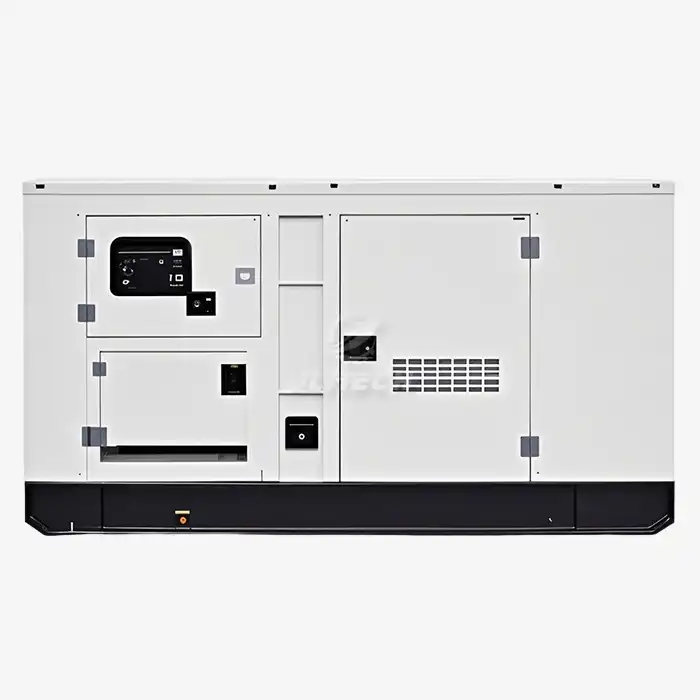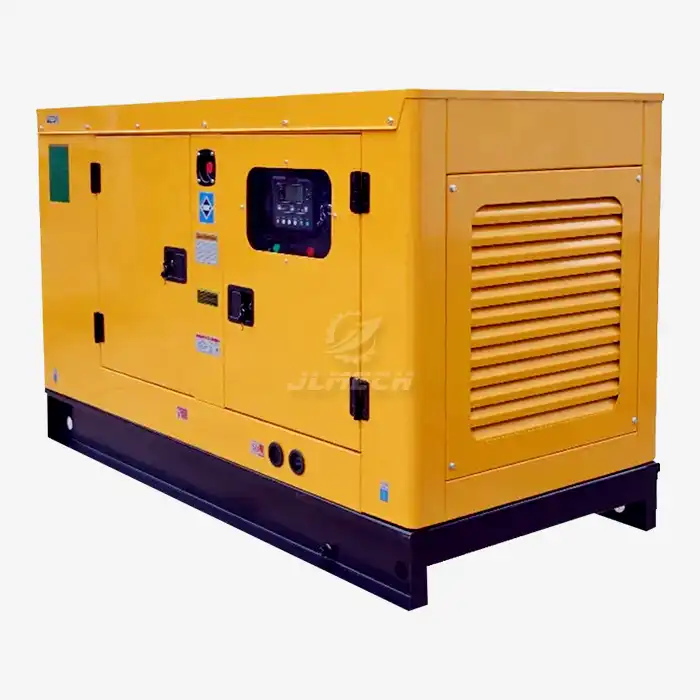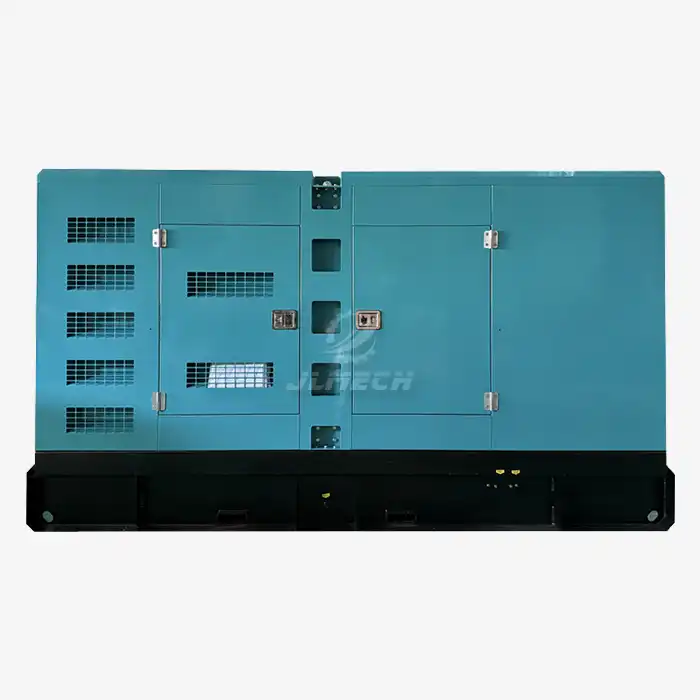




Don't Wait for a Breakdown! 5 Commonly Overlooked Generator Checkpoints
You invested in a diesel generator for one reason: certainty. When the grid fails, you need to be absolutely sure your backup power will roar to life without hesitation. Yet, many businesses treat their generators as "install and forget" assets, only to face costly failures and dangerous downtime during the most critical moments.
The difference between reliable backup power and an expensive, silent hunk of metal often boils down to proactive maintenance. While routine oil changes and filter replacements are common knowledge, truly resilient operations focus on a deeper level of scrutiny. This article highlights five critical but commonly overlooked Generator Checkpoints. Integrating these into your maintenance regime is your best strategy to move from reactive repairs to predictable, unwavering reliability.
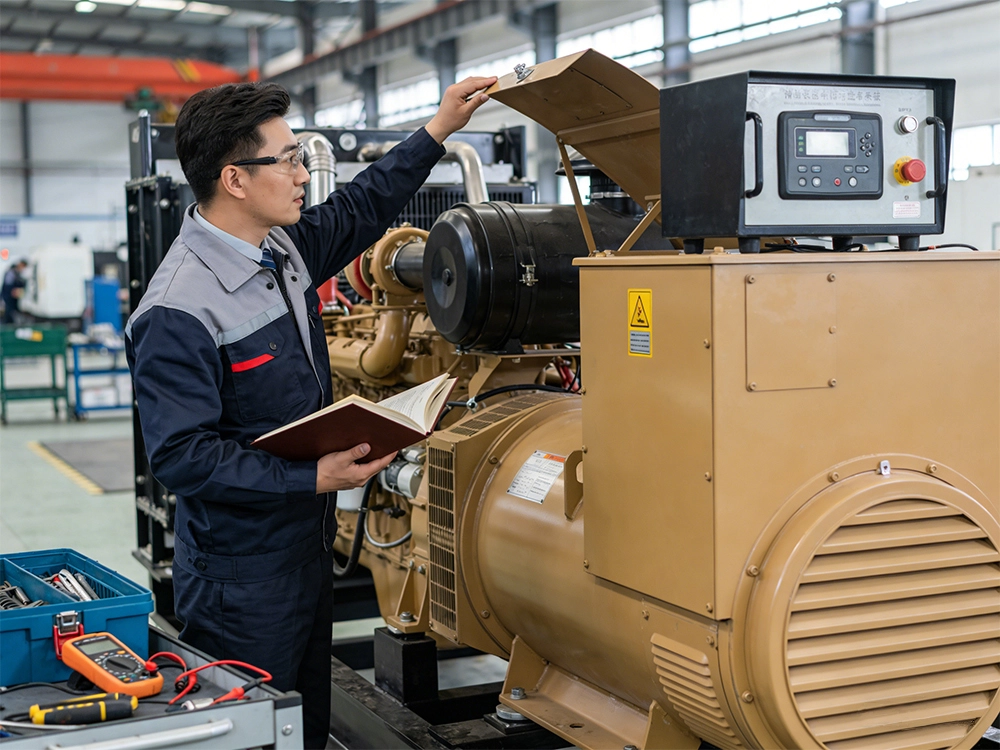
The High-Cost Consequences of "Out of Sight, Out of Mind"
Before we dive into the checkpoints, let's understand the stakes. Neglecting comprehensive inspections doesn't just lead to a failure to start; it can cause catastrophic and expensive damage. A failing bearing can seize and destroy a rotor. Contaminated fuel can clog an entire fuel injection system. Undetected electrical faults can damage sensitive connected equipment.
Professional operation and maintenance guides for large generators emphasize that a systematic inspection methodology is not an optional extra—it is the core of preserving your asset's value and function. These overlooked Generator Checkpoints are your early warning system, designed to catch small issues before they escalate into operational disasters.
Checkpoint 1: The Silent Killer - Fuel Quality and Tank Condensation
Most operators check fuel levels, but few actively manage fuel quality.
The Problem: Diesel fuel degrades over time. It can develop microbial growth (the "diesel bug"), form gums and varnishes, and absorb water through condensation in partially filled tanks. This contaminated fuel is the leading cause of clogged filters, injector damage, and hard starting.
The Overlooked Check: Don't just look at the fuel gauge.
Water and Sediment: Regularly drain a small sample from the tank's bottom sump valve into a clear container. Look for water separation or sediment.
Visual Inspection: The fuel should be clear and bright. Cloudiness or a foul odor indicates serious contamination.
Testing: Consider periodic professional fuel analysis for critical units.
Checkpoint 2: The Invisible Load - Battery and Charging System Health
A weak battery is the single most common reason for a no-start condition.
The Problem: Batteries self-discharge and sulfate over time, especially when left in a partial state of charge. The automatic battery charger can also fail, leaving the battery dead when needed.
The Overlooked Check: Move beyond a simple voltage check.
Load Testing: Perform an annual battery load test. This applies a high current similar to engine cranking and measures voltage drop, revealing true health beyond surface voltage.
Charger Verification: Confirm the float charger is operating correctly by checking its output voltage and ensuring it transitions properly to float mode.
Terminal Inspection: Check for corrosion, loose connections, and ensure the electrolyte level is correct (for flooded batteries).
Checkpoint 3: The Unheard Message - Control Panel Alarm History and Event Logs
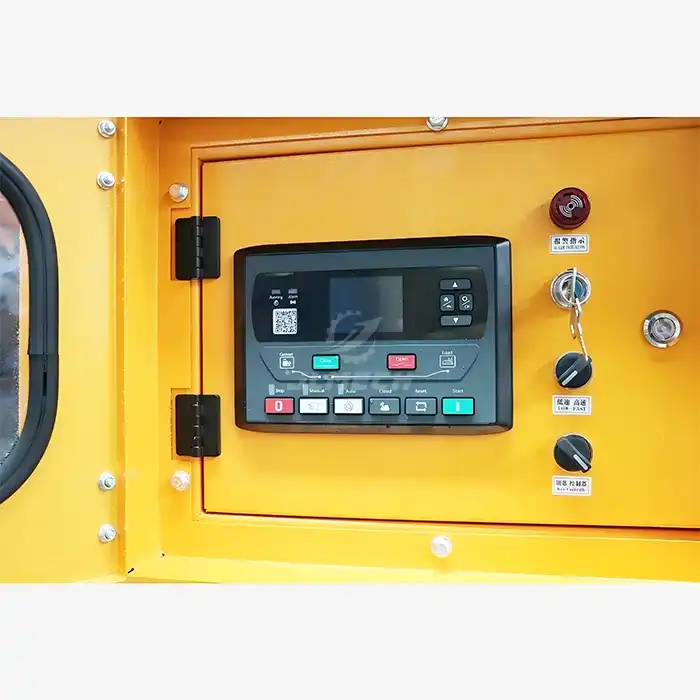
The control panel is the generator's brain, constantly running self-diagnostics.
The Problem: Modern controllers log all warnings, alarms, and shutdown events (e.g., "Low Coolant Temp," "High Exhaust Temp," "Overspeed"). These logs are a goldmine of diagnostic information that is almost always ignored until a major failure occurs.
The Overlooked Check: Make log review a standard practice.
Access the Menu: Navigate to the "Event History" or "Alarm Log" menu on the controller's display.
Document and Investigate: Record any stored faults, even if they didn't cause a shutdown. A recurring low-pressure warning can signal a developing oil pump issue long before it fails completely.
Checkpoint 4: The Unfelt Weakness - Belt Tension, Hoses, and Flexible Connections
Vibration and heat cause rubber and plastic components to degrade.
The Problem: Fan belts loosen, causing poor cooling. Radiator and fuel hoses can develop soft spots, cracks, or bulges that may lead to sudden rupture. Flexible exhaust connectors can crack and leak dangerous fumes.
The Overlooked Check: Use your eyes and hands.
Belt Tension: Check for proper tension and look for signs of fraying, glazing, or cracking.
Hose Inspection: Squeeze hoses to feel for softness or brittleness. Look for any signs of cracking, swelling, or leaks at connection points.
Exhaust System: Inspect the entire exhaust path for rust, cracks, and secure mounting.
Checkpoint 5: The Unsecured Link - Transfer Switch Operational Test
Your generator may be perfect, but if the transfer switch fails, power never reaches your building.
The Problem: Transfer switches contain mechanical solenoids, contacts, and logic controllers that can stick or fail due to infrequent operation. A failure here means your generator runs, but your facility stays dark.
The Overlooked Check: Test the entire system, not just the generator.
Functional Test: During your scheduled monthly exercise, manually initiate a transfer test (if safe and per manufacturer's instructions). Observe and listen for smooth operation.
Visual Inspection: With power safely isolated, inspect the switch cabinet for signs of overheating, corrosion, or pest intrusion. Contacts should be clean and free of pitting.
Building Your Proactive Inspection Routine
These five Generator Checkpoints should be integrated into a formal schedule. Here’s a simple framework:
| Frequency | Overlooked Checkpoints to Include | Action |
|---|---|---|
| Monthly | Control Panel Logs, Visual Fuel/Battery/Hose Inspection | Review event history. Look for leaks, corrosion, or damage. |
| Quarterly | Fuel Tank Water Draining, Detailed Belt & Hose Check | Drain fuel sample. Physically check belt tension and hose integrity. |
| Annually | Battery Load Test, Transfer Switch Operational Test, Professional Fuel Analysis (if needed) | Perform under-load tests and comprehensive system verification. |
Conclusion: From Reactive to Resilient
A diesel generator is a complex machine that demands respect and attention. By expanding your maintenance perspective to include these five critical Generator Checkpoints, you shift from a reactive posture—waiting for something to break—to a position of confident control. This proactive approach minimizes unplanned downtime, extends the lifespan of your equipment, and most importantly, ensures that your investment fulfills its core promise: delivering reliable power when you need it most.
Don't let your guard down until the next scheduled service. Start implementing these overlooked inspections today. For a comprehensive guide tailored to your specific generator model, consult the manufacturer’s operation and maintenance manual or engage with a qualified service provider.
References
Kerszenbaum, I. (Year). Inspection Practices and Methodology. In Operation and Maintenance of Large Turbine Generators. IEEE Press.
IEEE Standards Association. (2005). *IEEE 67-2005: IEEE Guide for Operation and Maintenance of Turbine Generators*. New York, NY.
Operation and Maintenance of Large Turbo-Generators [Book Description]. (Year). Wiley-IEEE Press.