




Solar Panel Installation vs. Diesel Generator: A Side-by-Side Comparison
When you rely on a Diesel Generator, you depend on more than just a machine—you depend on a promise of unwavering power. That promise is kept by a complex symphony of moving parts deep within the engine, with two systems acting as the undisputed conductors: the valve train and the timing gear system. Understanding these components isn't just technical knowledge; it's the key to recognizing true quality, ensuring longevity, and making an informed investment in your power security.
The Rhythm of Power: Valve Train Fundamentals
Think of the valve train as the engine' respiratory system. Its sole, critical job is to manage the precise intake of air and the expulsion of exhaust gases at exactly the right moment—a process known as gas exchange. This system is a coordinated assembly of components including valves, valve seats, guides, springs, and rotating mechanisms. In a typical four-stroke diesel engine cycle, the valve train ensures clean air enters during the intake stroke and spent exhaust is pushed out during the exhaust stroke, making each combustion cycle possible. Its performance directly dictates engine efficiency, power output, and fuel economy.
Precision in Motion: The Role of Timing Gears
If the valve train breathes, the timing gear system is the brain that commands each breath with flawless timing. This system of interconnected gears forms the direct mechanical link between the engine's crankshaft and the camshaft(s). Its purpose is absolute synchronization: it ensures that for every rotation of the crankshaft (which moves the pistons), the camshaft rotates at a precise ratio—typically half the speed—to open and close the valves in perfect harmony with the piston's position. Any error in this timing results in lost power, poor efficiency, or catastrophic engine damage. The robust design and precise machining of these gears are what allow a heavy-duty Diesel Generator to maintain steady voltage and frequency under load.
From Rotation to Lift: How the Systems Work Together
The collaboration between these systems is a masterpiece of mechanical engineering:
Power Transmission: The crankshaft's rotation is transferred through the durable timing gears to spin the camshaft.
Cam Action: As the camshaft turns, its egg-shaped lobes (cams) push against followers. The profile of these lobes precisely controls how fast, how far, and for how long the valves open.
Valve Actuation: This upward push is transferred via pushrods and rocker arms (in many designs) to overcome the force of the valve springs, opening the intake or exhaust valves.
Return and Seal: Once the cam lobe rotates past, the stored energy in the compressed valve spring snaps the valve shut tightly against its seat, sealing the combustion chamber.
Why Robust Design is Non-Negotiable
Valve train components operate in one of the engine's most extreme environments. They are exposed to intense heat from combustion, high-pressure forces, and constant mechanical impact at high speeds. Compromises here lead to failure. This is why premium engines use features like:
Heat-Resistant Alloys: Exhaust valves are often made from special silicon-chrome-molybdenum steels to withstand extreme temperatures.
Advanced Spring Design: Dual or beveled springs prevent resonance and ensure the valve follows the cam profile perfectly, even at high RPM.
Valve Rotators: These small devices gently rotate the valve with each cycle, promoting even temperature distribution and preventing carbon buildup.
The Innovation Frontier: Beyond the Mechanical Camshaft
While gear-driven camshafts are the robust, industry-standard heart of most generators, innovation continues. Research into electro-hydraulic valve trains aims for ultimate flexibility, allowing software to control valve timing and lift for optimal efficiency across all load conditions. Though primarily for future automotive applications, such developments highlight the critical importance of the gas exchange process. For the dependable world of standby and prime power Diesel Generator sets, the proven reliability and simplicity of mechanically geared systems remain the gold standard for uninterrupted operation.
Maintenance: Listening to the Heartbeat
A well-maintained valve train operates with a consistent, rhythmic sound. Unusual ticking, clicking, or a loss of power can indicate issues like excessive "valve lash"—the engineered gap between components that allows for thermal expansion. Regular maintenance per the manufacturer’s schedule is crucial. This includes checking and adjusting valve clearances and ensuring the timing gear alignment is perfect. Neglect can lead to burned valves, damaged pistons, and costly downtime.
| Feature | Overhead Valve (OHV) / Pushrod System | Overhead Camshaft (OHC) System |
|---|---|---|
| Camshaft Location | Inside the engine block | In the cylinder head, above the valves |
| Component Count | Higher (uses pushrods and rockers) | Generally lower, more direct |
| Typical Advantages | Compact, robust, excellent low-end torque | Potential for higher RPM, precise valve control |
| Considerations for Gensets | Proven, simple, excellent for durable standby power | Can offer efficiency benefits in certain designs |
Conclusion
The silent, steady hum of a reliable Diesel Generator is the sound of precision engineering at work—a rhythm set by the unwavering synchronization of its valve train and timing gears. These systems transform raw combustion into smooth, usable power. When you choose a generator, you are investing in the quality of these internal components. Look for a manufacturer that prioritizes robust materials, precise machining, and rigorous testing in these areas. Because in the world of power generation, true reliability is built from the inside out, one perfectly timed heartbeat at a time.
References
Timing Gears, Camshaft, and Valve Mechanism. (2022, April 19). Mypdh.engineer.
Soltic, P., et al. (2019). Innovative valve train saves 20% fuel. Empa – Swiss Federal Laboratories for Materials Science and Technology.
 VIEW MOREConstruction site diesel generator
 VIEW MOREFactory diesel generator
 VIEW MOREOpen frame diesel
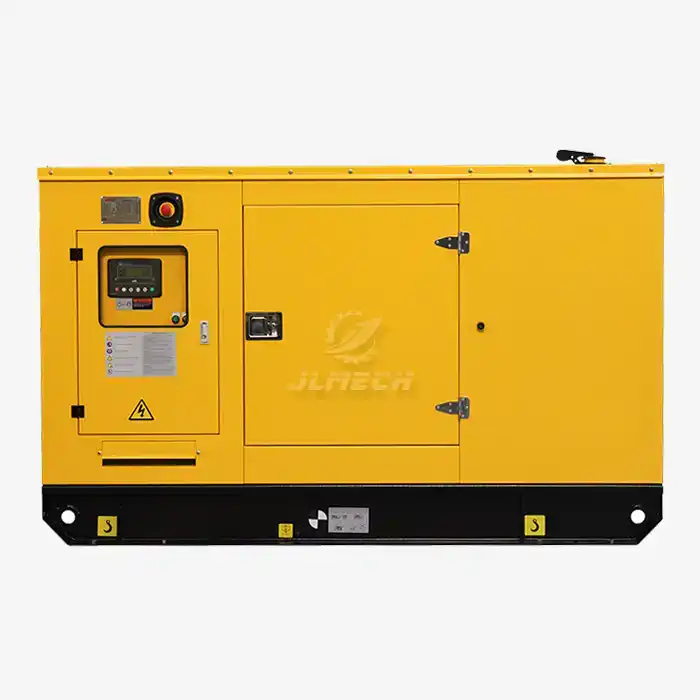 VIEW MOREStandby 30kVA diesel unit
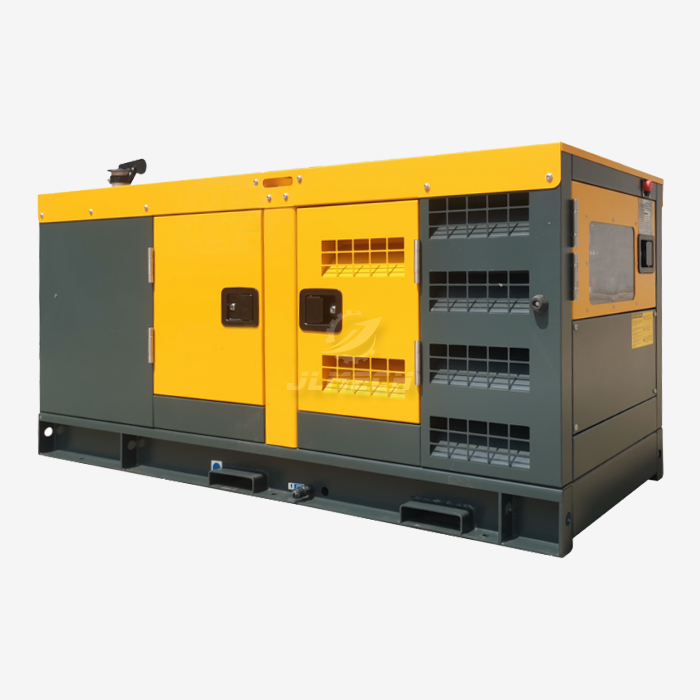 VIEW MOREOverload Protection Diesel Generator Set
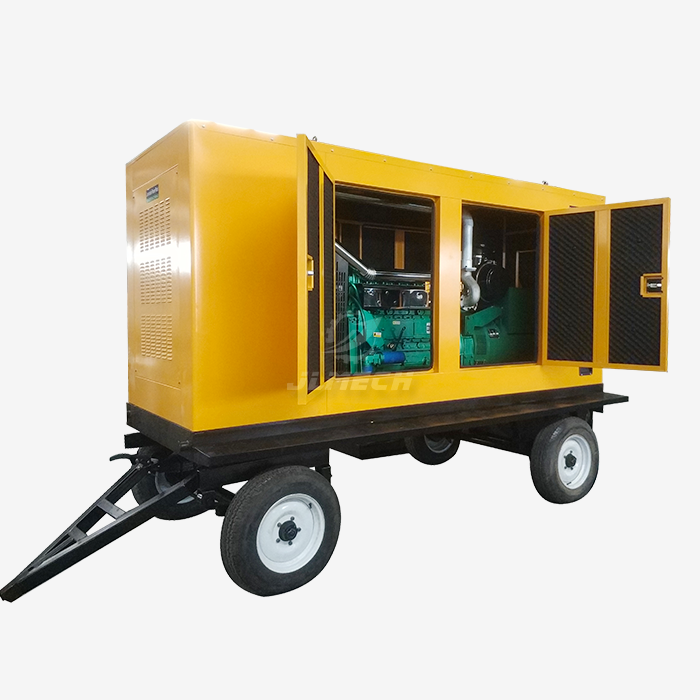 VIEW MORETrailer Type diesel generator
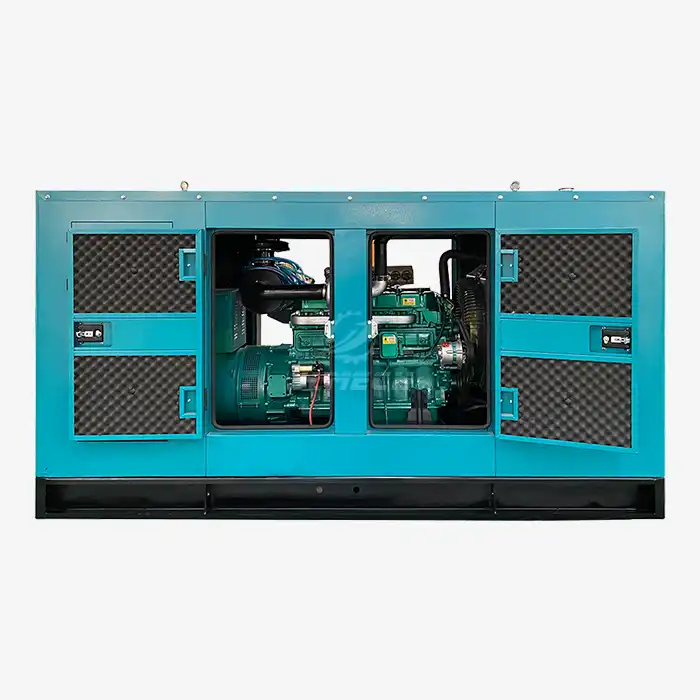 VIEW MOREConstruction application diesel generator
 VIEW MOREcummins diesel generator machine