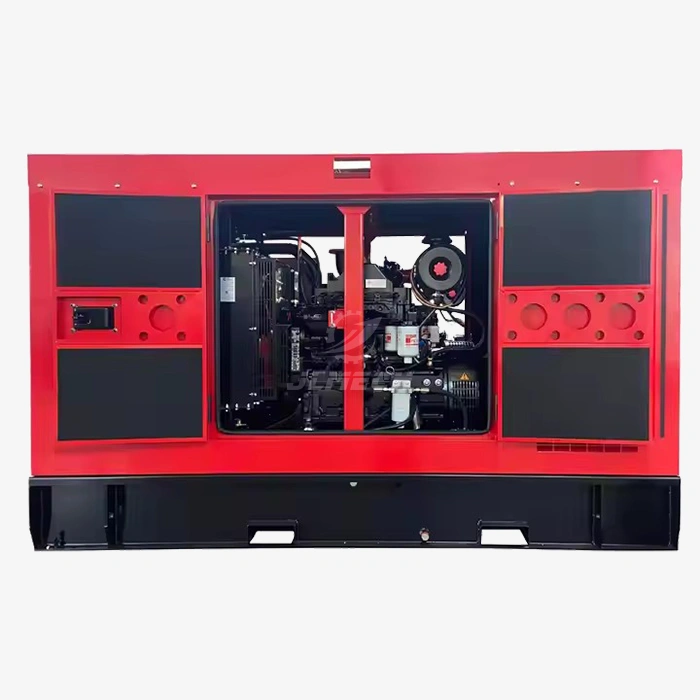




The Best of Both Worlds? Exploring Hybrid Solar-Diesel Power Systems
For businesses operating off-grid or facing unreliable power, the choice between energy solutions often feels like a compromise. Do you prioritize the proven, on-demand reliability of a diesel generator, or the clean, low-cost appeal of solar power? What if you didn't have to choose? Hybrid Solar-Diesel Power Systems are emerging as a sophisticated answer, intelligently combining both technologies to deliver a superior solution. This article cuts through the hype to explore how these systems work, their real-world benefits, and whether they are the right fit for your operational needs.
Understanding the Limitation of Single-Source Power
First, let's examine why relying on just one source can be limiting.
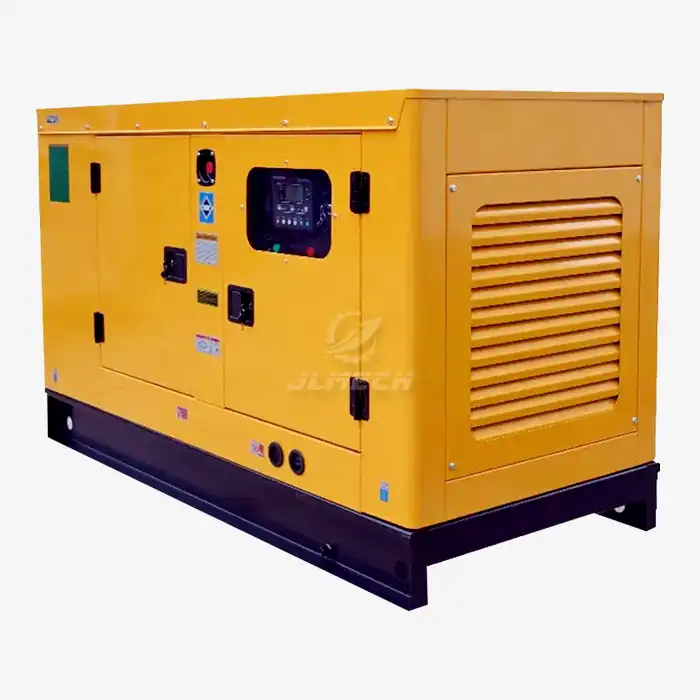
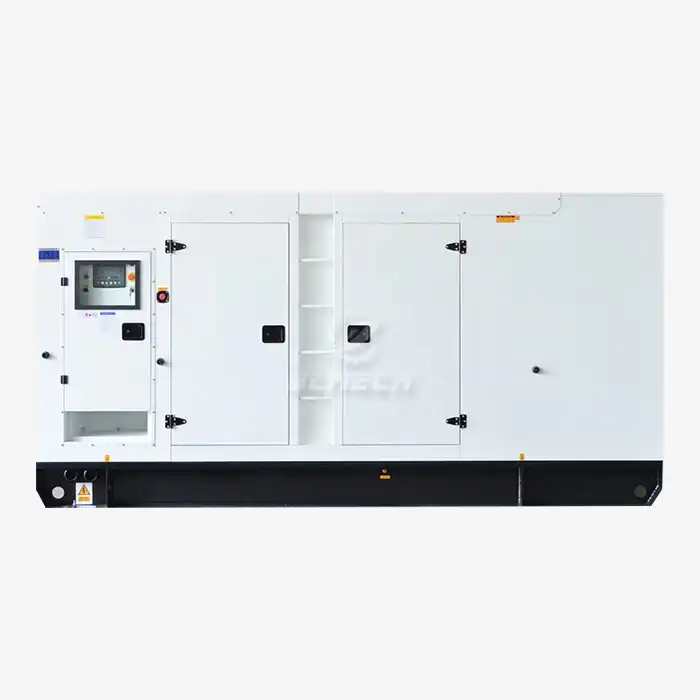
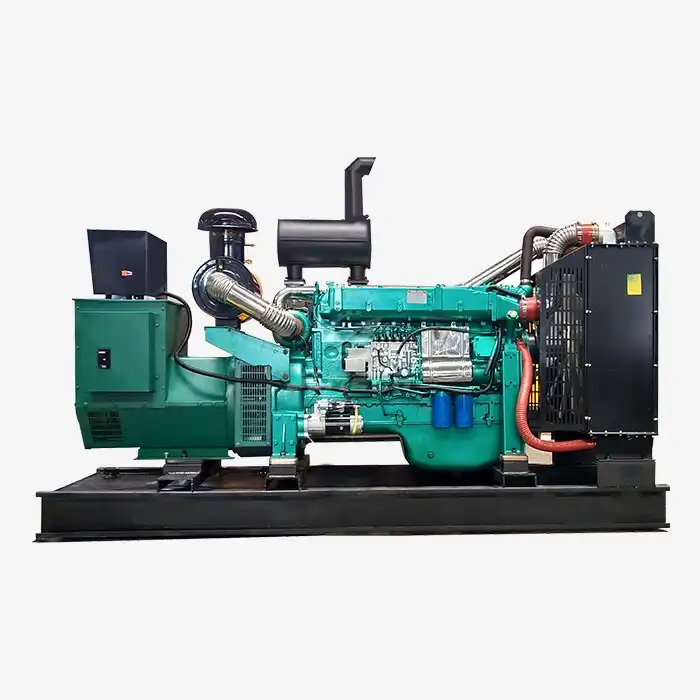
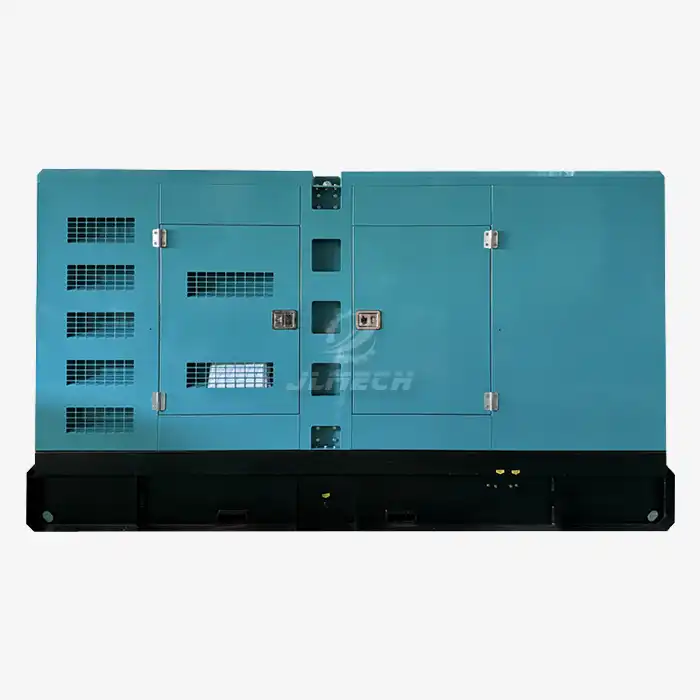
Diesel-Only Systems: They offer excellent reliability and high power output but come with significant and volatile fuel costs, frequent maintenance, and substantial carbon emissions. The cost of energy can be high, with studies showing figures around $0.672 per kWh.
Solar-Only Systems (with batteries): They provide very low operating costs and clean energy. However, they require clear weather and sunlight, and to ensure 24/7 power, they need massive, expensive battery banks. Even then, they can struggle with prolonged bad weather or high surge loads, potentially leading to energy shortages.
A Hybrid Solar-Diesel Power Systems resolves these trade-offs by using an intelligent controller to seamlessly manage multiple energy sources.
How a Hybrid System Intelligently Works
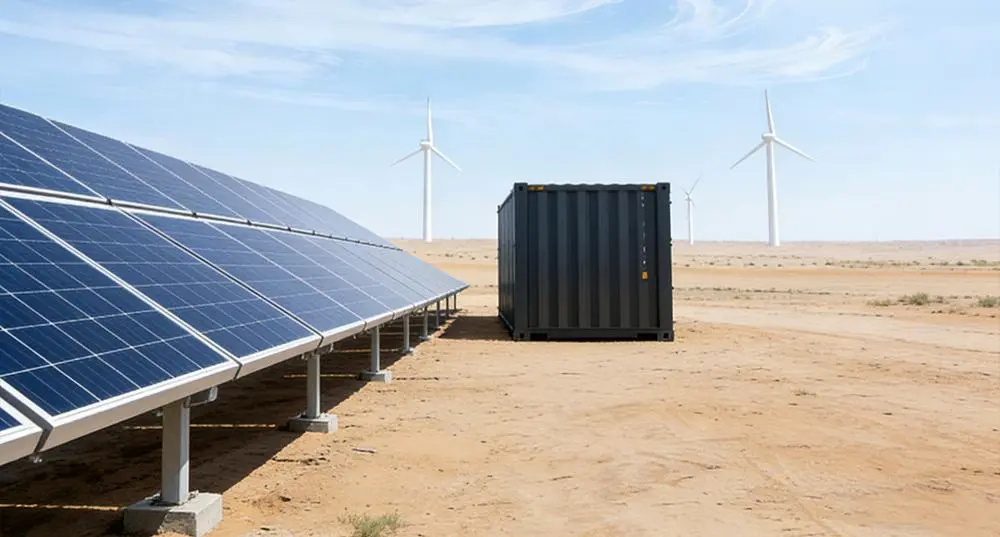
Think of a hybrid system as a smart, automated team where each member plays to its strengths. The core components are solar panels, a battery storage bank, a diesel generator, and a central intelligent controller.
The system operates on a simple, efficient logic:
Solar Priority: During sunny periods, solar panels power your operations directly and charge the batteries.
Battery Backup: At night or during cloudy weather, the stored energy in the batteries takes over, providing silent, zero-fuel-cost power.
Diesel On-Demand: The diesel generator activates only when necessary—when battery reserves are low, or when a large piece of equipment creates a power demand that exceeds the solar and battery capacity.
This strategy transforms the diesel generator from a constant workhorse into a peak-performance backup, drastically reducing its runtime.
The Core Advantages: More Than Just Fuel Savings
The operational intelligence of Hybrid Solar-Diesel Power Systems translates into direct, measurable business benefits.
Dramatic Reduction in Fuel and Operating Costs: By minimizing generator runtime, hybrid systems can slash fuel consumption by 70-90%. This turns a major variable cost into a much smaller, more predictable expense.
Lower Cost of Energy: Studies consistently show hybrid systems offer a significantly lower overall cost per kilowatt-hour. For example, research found a diesel-only system cost $0.672/kWh, while an optimized hybrid system brought the cost down to $0.285/kWh.
Enhanced Reliability and Uptime: You gain the "always available" assurance of a diesel generator without needing to run it constantly. The system ensures uninterrupted power, whether the sun is shining or not, which is critical for industrial operations and telecommunications.
Reduced Maintenance and Longer Asset Life: Less generator runtime means fewer hours of wear and tear. This extends service intervals, reduces maintenance costs, and can significantly prolong the generator's operational lifespan.
Achieve Sustainability Goals: Hybrid systems drastically cut carbon emissions and noise pollution. A case study on the Galapagos Islands showed a 71% reduction in diesel consumption, while another project highlighted annual CO2 savings of over 8 tons. This supports corporate social responsibility (CSR) objectives and helps comply with increasingly stringent environmental regulations.
Analyzing the Investment and Payback
While the initial capital expenditure for a hybrid system is higher than a diesel-only setup, the financial case is compelling. The savings come from dramatically lower lifetime operating costs.
Lower Lifetime Cost: The focus shifts from upfront price to Total Cost of Ownership (TCO). The savings on fuel and maintenance often lead to a lower TCO over a 5-10 year period.
Predictable Payback Period: The return on investment comes from avoided fuel costs. Analyses show payback periods typically ranging from 5 to 10 years, after which the energy savings translate directly into profit. Factors like local fuel prices, solar conditions, and available green incentives can shorten this period.
Is a Hybrid System Right for Your Business?
Hybrid systems are not a one-size-fits-all solution, but they are ideal for specific scenarios. Consider this framework for your business:
| Your Operational Profile | Why a Hybrid System Fits |
|---|---|
| Remote & Off-Grid Sites (Mining, agriculture, construction) | High fuel transportation costs make savings immediate. The system provides prime power independence. |
| Critical Infrastructure (Telecom towers, data centers) | Guarantees 24/7 uptime. Solar/battery handles base load silently; the generator is instant backup for reliability. |
| Operations with High Daytime Energy Demand (Manufacturing, processing) | Solar directly offsets the most expensive generator runtime during peak daylight hours, maximizing savings. |
| Organizations with ESG/CSR Mandates | Delivers immediate, quantifiable reductions in carbon footprint and operational noise. |
Steps to Implement Your Hybrid Power Solution
Transitioning to a hybrid system is a strategic project. Here is a practical pathway:
Energy Audit: Precisely analyze your site's power load (24/7 profile), including peak demands and daily energy consumption (kWh).
Site Assessment: Evaluate solar potential (sunlight hours) and spatial logistics for installing panels, batteries, and the generator.
Custom Design & Simulation: Work with experts to model the optimal sizing of each component (solar array, battery bank, generator) using specialized software. This ensures efficiency and cost-effectiveness.
Professional Installation & Integration: Ensure seamless physical and control system integration for safe, automated operation.
Monitoring & Maintenance: Use the system's smart controls to monitor performance and plan proactive maintenance for all components.
Conclusion
So, is it the best of both worlds? For a significant number of businesses operating beyond the grid or seeking energy resilience and cost control, the answer is a clear yes. Hybrid Solar-Diesel Power Systems represent a mature, intelligent evolution in power generation. They are not merely a compromise but a strategic upgrade that delivers tangible results: slashing operational costs, guaranteeing unwavering reliability, and future-proofing your operations against both fuel price volatility and environmental regulations.
By leveraging the free power of the sun for baseline needs and reserving diesel for assurance, you create a robust, efficient, and sustainable energy ecosystem. It's a powerful step from simply having a generator to owning a smart, integrated energy solution.
References
Atlas Copco. (n.d.). Powering Remote Areas: How Hybrid Generators Are Reshaping Off-Grid Energy Supply. Retrieved from https://www.atlascopco.com.cn[citation:1]
Omar, M. A. (2025). Techno-economic analysis of PV/diesel/battery hybrid system for rural community electrification: A case study in the Northern West Bank. Energy, 317.
AutoNet. (2025, May 10). 13,000 Solar Panels Assist, TOYOTA UK Deeside Engine Plant Reduces CO2 Emissions by 1800 Tons Annually. AutoNet Automotive Daily.
Fortune Business Insights. (2025). *Hybrid Power Systems Market Size, Industry Share | Forecast [2025-2032]*.
MDPI AG. (2024). Optimal Design of a Hybrid Solar–Battery–Diesel System: A Case Study of Galapagos Islands. Solar, 4(2), 232-245.
Heliyon. (2024). Optimizing hybrid energy systems for remote communities in Asia’s least developed countries. Heliyon, 10(8), e29369.