




Is Your Generator Getting Noisier? Don't Ignore These 6 Warning Signs
Think of your generator like a trusted family car. When it's healthy, it has a familiar, steady hum—the sound of reliable work being done. But just as a new rattle or whine from your car can signal trouble, a change in your generator's voice is its way of asking for attention. Unusual Generator Noise is rarely just an annoyance; it's a primary symptom, an audible clue that something inside is wearing, loose, or out of balance. Ignoring these sounds is like ignoring a check engine light; it might save you a moment of hassle now but can lead to catastrophic failure and expensive repairs later. This guide will help you translate six common warning sounds into plain English, so you can take proactive steps to protect your power supply.
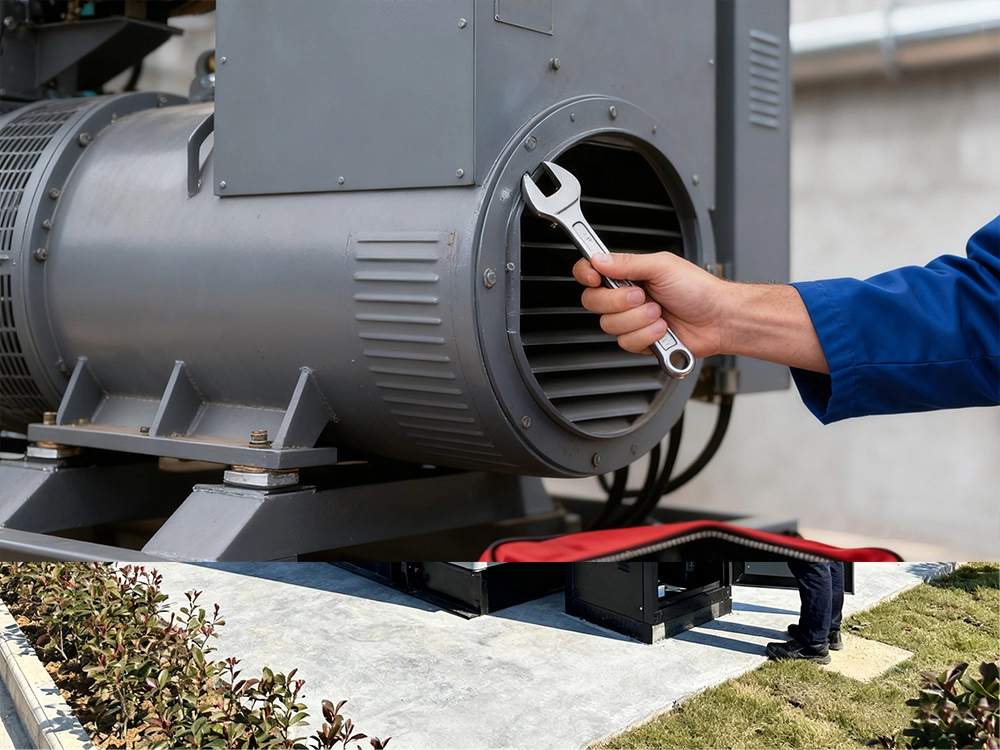
Why Listening to Your Generator is Critical Maintenance
Sound is a powerful diagnostic tool. A smooth, consistent exhaust note and mechanical hum indicate healthy combustion and proper alignment of moving parts. A sudden or gradually worsening change in this sound profile, however, is a direct broadcast of a problem. Investigative listening can help you catch minor issues before they escalate into major Generator Noise-related failures that cause downtime. By understanding what different sounds often mean, you move from reactive panic to proactive, cost-effective maintenance.
Don't Ignore These 6 Auditory Warning Signs
Here are six distinct types of Generator Noise you should learn to recognize and what they likely signify.
1. Increased Exhaust Knocking or "Pinging"
The Sound: A sharp, metallic rattling or pinging sound from the exhaust, often worsening under load. It resembles marbles bouncing in a tin can.
What It Usually Means: This is typically detonation or pre-ignition—an abnormal, uncontrolled combustion event. The air-fuel mixture explodes too early or too violently, creating shockwaves that hammer the piston and cylinder walls.
Common Causes: Incorrect fuel (low cetane rating), faulty fuel injection timing, excessive carbon buildup in the combustion chamber, or an overheating engine.
Action to Take: Address this promptly. Continuous detonation can crack pistons and damage rings and cylinder heads. Check fuel quality, inspect injectors, and ensure the cooling system is functioning properly.
2. A Deep, Rhythmic Knocking from the Engine Block
The Sound: A heavy, low-frequency thud-thud-thud that matches engine speed. It may be louder when the engine is under load or cold.
What It Usually Means: This is often a serious mechanical knock, most commonly associated with excessive clearance in the connecting rod or main crankshaft bearings due to wear.
Common Causes: Normal long-term wear, oil starvation (low oil level/pressure), contaminated oil, or bearing failure.
Action to Take: This is a critical warning. Shut down the generator and investigate immediately. Running with a pronounced rod or main bearing knock can quickly lead to a thrown rod or seized crankshaft—a total engine failure.
3. A High-Pitched Squealing or Screeching
The Sound: A loud, piercing squeal that often changes pitch with engine RPM, most noticeable during startup or sudden load changes.
What It Usually Means: This classic sound almost always points to a slipping drive belt. It’s the sound of friction between a worn/stretched belt and the pulleys that drive the cooling fan, alternator, or other accessories.
Common Causes: Worn, glazed, or loose belts. Misaligned pulleys can also cause this noise.
Action to Take: Visually inspect all belts for cracks, fraying, and tension. A slipping belt will fail to drive the coolant pump or alternator adequately, leading to overheating or electrical issues. Adjust tension or replace the belt as needed.
4. A Whining or Grinding from the Alternator End
The Sound: A constant whine, grind, or growl that seems to emanate from the non-engine end of the generator set.
What It Usually Means: This points to issues within the alternator (generator end). A whine can indicate failing bearings, while a grinding noise suggests more severe internal contact, perhaps between the rotor and stator.
Common Causes: Bearing wear due to age or contamination, loose laminations, or misalignment.
Action to Take: Have a technician inspect the alternator. Failed bearings can lead to a seized rotor, and internal grinding can destroy the expensive core of the alternator, requiring a complete rewind or replacement.
5. Hissing or Gurgling from the Cooling System
The Sound: A distinct hiss of escaping steam or a bubbling/gurgling sound from the radiator or coolant overflow tank.
What It Usually Means: This is the sound of coolant boiling or steam escaping, indicating an overheating condition.
Common Causes: Coolant leak, failed water pump, clogged radiator, malfunctioning thermostat, or a faulty radiator pressure cap.
Action to Take: Shut down the generator and allow it to cool completely before investigating. Running an overheated engine, even briefly, can warp the cylinder head and cause catastrophic damage. Check coolant levels and look for leaks once the system is cool.
6. Excessive Vibration and "Banging"
The Sound: While not purely a sound, a pronounced increase in overall vibration often accompanies banging or clunking noises. You can feel it through the floor or the unit's frame.
What It Usually Means: Severe imbalance or a loose mounting component. This could be a broken engine mount, a severely unbalanced rotating assembly (like a damaged cooling fan), or a loose foundation.
Common Causes: Failed rubber vibration isolators (engine mounts), a bent fan blade, or loose hold-down bolts.
Action to Take: Inspect all mounts and the unit's attachment to its base. Excessive vibration transfers destructive forces throughout the entire set, loosening electrical connections and accelerating wear on every component. It must be corrected promptly.
Prevention: Your First Line of Defense
The best way to deal with alarming Generator Noise is to prevent it through a consistent maintenance regimen: regular oil and filter changes using the correct spec, coolant system service, belt tension checks, and periodic load bank testing to ensure the unit runs smoothly under its designed conditions. Familiarize yourself with its normal sound during routine exercise runs so you can instantly detect when something changes.
Conclusion
Your generator's sound is a direct communication line to its internal health. A new knock, squeal, or whine is not a feature to tolerate; it's a warning to investigate. By learning these six common auditory signals, you empower yourself to take early action, transforming a potential crisis into a manageable maintenance task. Protecting your generator from prolonged abnormal operation is the most reliable way to ensure it remains ready for when you truly need it.
If you are hearing a new or concerning sound from your generator, our technical team can help diagnose the issue accurately and perform the necessary repairs. Don't wait for a minor noise to become a major failure.
Contact us at skala@whjlmech.com for a professional assessment of your Generator Noise and to schedule preventive maintenance.
References
NFPA 110. (2022). Standard for Emergency and Standby Power Systems: Maintenance and Testing Requirements. National Fire Protection Association. (Annex B covers typical operational observations).
Generator Source. (2023). Troubleshooting Unusual Generator Noises: A Field Guide. Retrieved from Generator Source Technical Library.
Deutz AG. (2021). Service Manual: Troubleshooting Based on Engine Auditory Symptoms. Deutz Service.
 VIEW MOREdiesel generator gensets
 VIEW MOREDiesel generator for poultry farm
 VIEW MOREReliable diesel generator
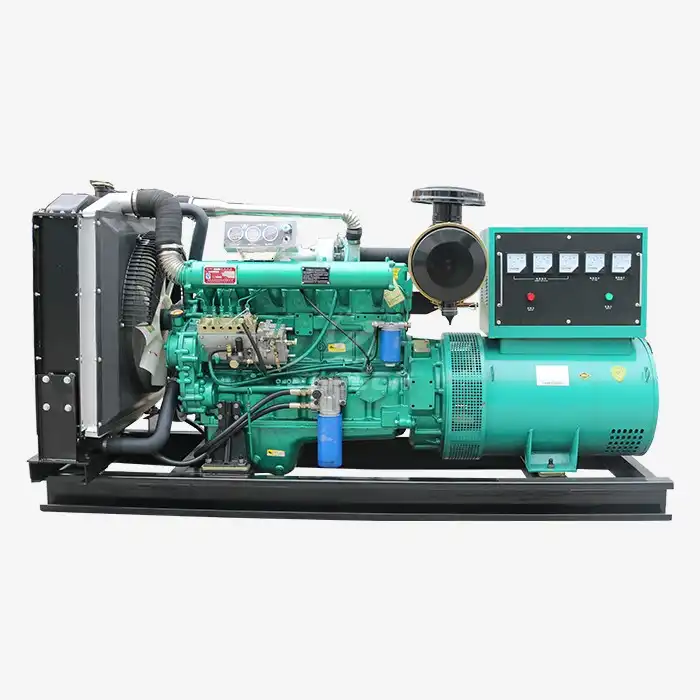 VIEW MORE250kW diesel generator
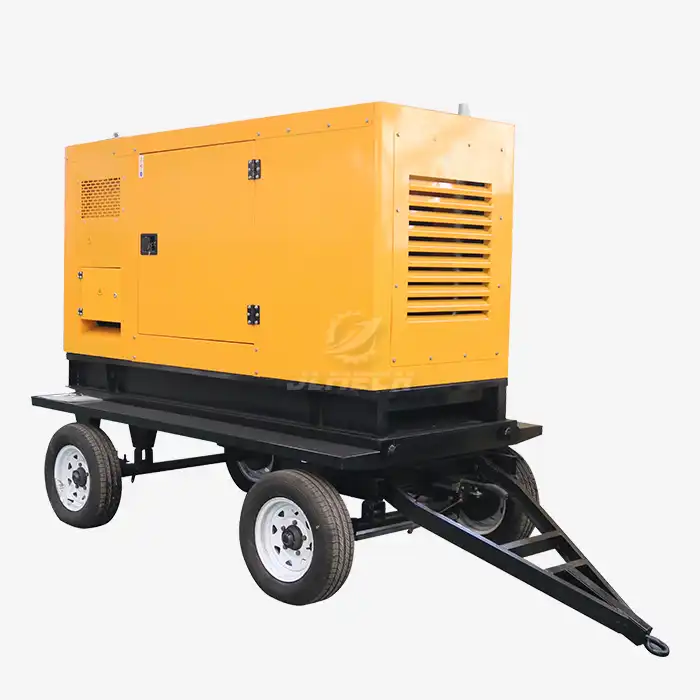 VIEW MOREportable diesel powered generator
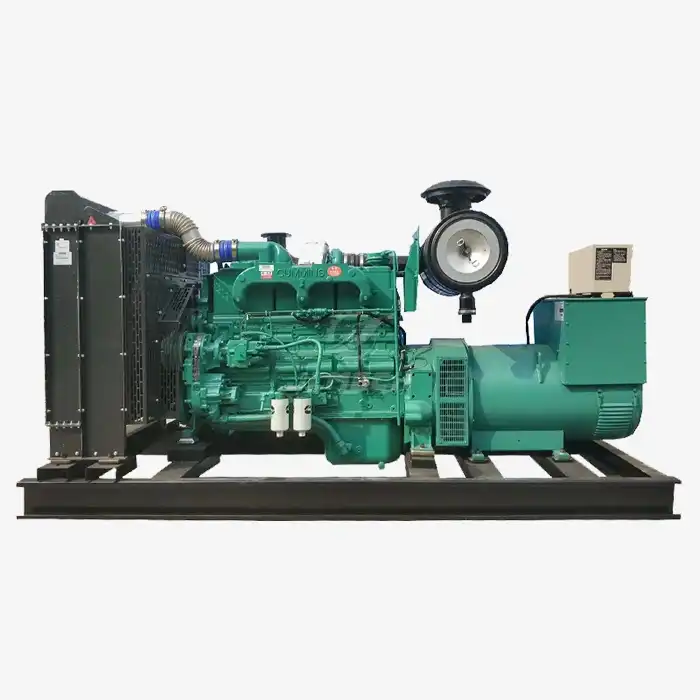 VIEW MORE50 kva diesel generator open type
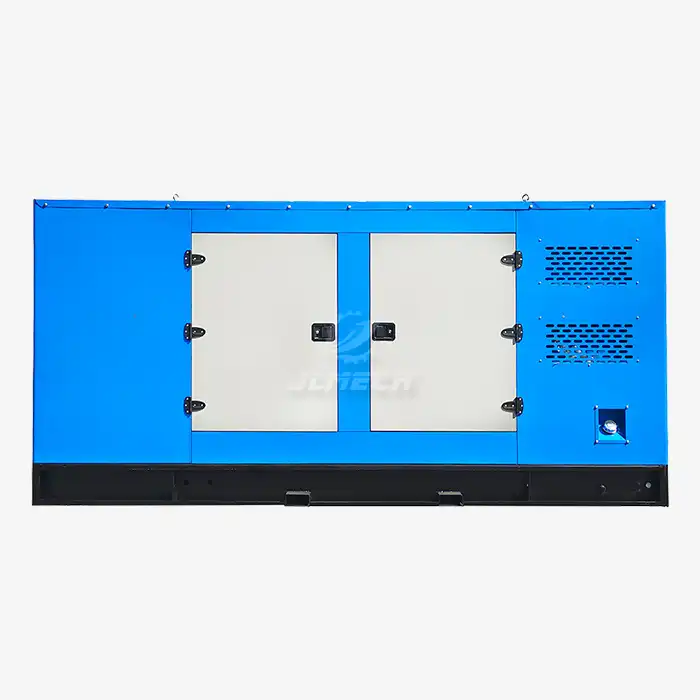 VIEW MORE500kw mitsubishi power generator
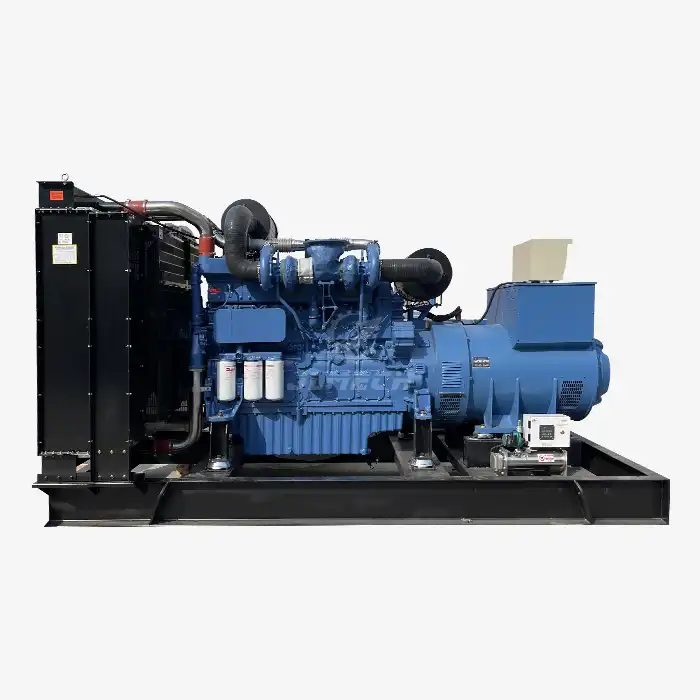 VIEW MOREdiesel generator yuchai 70kva