




Catastrophic Failure: The Root Causes of a Broken Connecting Rod Bolt
Imagine the powerful engine inside your diesel generator as a symphony orchestra. For it to produce smooth, reliable power, every section must work in perfect harmony. A single, out-of-tune instrument can ruin the entire performance. Now, imagine a critical component failing not with a wrong note, but with a deafening crash that brings everything to a sudden, destructive halt. This is what happens with a broken connecting rod bolt. It is one of the most severe mechanical failures an engine can suffer, often resulting in what technicians call a "thrown rod" – an event that turns a valuable power asset into a pile of scrap metal. Understanding why this small but vital part fails is key to preventing this dramatic and expensive form of Generator Failure.
The Connector: A Small Part with a Massive Job
To understand the failure, you must first understand the part. The connecting rod is the metal link between the piston (which moves up and down) and the crankshaft (which rotates). The connecting rod bolt is the critical fastener that clamps the rod's "big end" cap securely around the crankshaft journal. Every single rotation of the engine subjects this bolt to immense, alternating forces of tension and compression. It is arguably the most highly stressed fastener in the entire engine. A broken connecting rod bolt doesn't just mean a loose part; it means the rod cap comes free, allowing the connecting rod to whip around uncontrollably inside the engine. This almost always punches a hole through the engine block, destroying pistons, the crankshaft, and the cylinder itself in an instant. This is a total, catastrophic Generator Failure.
The Five Root Causes of a Broken Connecting Rod Bolt
This kind of failure rarely happens spontaneously. It is almost always the final result of one or more underlying conditions.
1. Improper Installation Torque: The Most Common Culprit
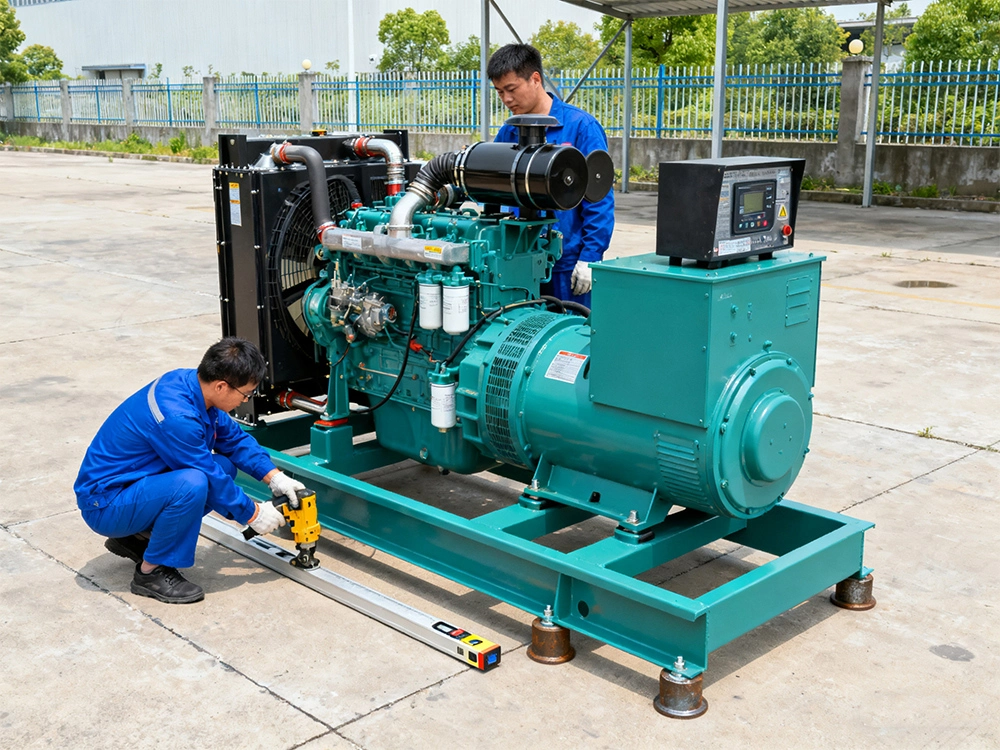
The Cause: These bolts are engineered to be tightened with an extremely precise amount of force, or torque, often using a specific "torque-to-yield" procedure. If they are under-torqued, they can loosen from vibration, leading to catastrophic fatigue and breakage. If they are over-torqued, they are stretched beyond their elastic limit, becoming brittle and prone to snapping. Using the wrong lubricant on the threads during installation can also create incorrect clamping force.
The Lesson: This is a job for experts following the manufacturer's exact specification. There is no room for guesswork.
2. Material Fatigue from Extended Use
The Cause: Even perfectly installed bolts are not immortal. Over thousands of hours of operation, they undergo countless stress cycles. Microscopic cracks can begin to form and slowly grow within the metal. This fatigue process is accelerated by factors like engine overspeeding (running beyond its rated RPM) or frequent heavy loading, which increase the stress on the bolts.
The Lesson: Adhering to recommended engine service life and overhaul intervals is not a suggestion; it is a necessity to replace high-stress components before fatigue takes its toll.
3. Engine Over-Speeding (RPM Runaway)
The Cause: This is an emergency event where the engine governor fails, and the engine begins to rev uncontrollably, often due to a fuel system malfunction. As RPM skyrockets, the inertial forces on the rotating and reciprocating assembly (pistons, rods, crankshaft) increase exponentially. The connecting rod bolts, designed for a specific maximum force, can be literally pulled apart by the extreme loads, leading to a swift and violent Generator Failure.
The Lesson: A well-maintained governor and fuel cut-off system are your primary defenses against this rare but devastating scenario.
4. Hydrostatic Lock or Severe Detonation
The Cause: Both of these events create a shock load far beyond the bolt's design.
Hydrostatic Lock ("Hydrolock"): Occurs when liquid (coolant or a large amount of fuel) enters the combustion chamber. Since liquid cannot be compressed, the piston tries to compress it on the upstroke, creating an immovable force that can bend a connecting rod or snap a bolt.
Severe Detonation ("Knock"): An abnormal, explosive combustion that creates violent pressure spikes inside the cylinder. This hammers the piston, rod, and bolts with excessive force, leading to fatigue and failure.
The Lesson: Preventing coolant leaks into cylinders and ensuring proper fuel quality and injection timing are critical to avoid these destructive forces.
5. Bearing Failure Leading to Secondary Damage
The Cause: Sometimes, the bolt itself is not the first part to fail. If the connecting rod bearing (the surface between the rod and the crankshaft) fails due to oil starvation, contamination, or wear, it creates excessive heat and clearance. This allows the rod to "hammer" against the crankshaft, subjecting the bolt to impacts and bending stresses it was not designed to handle, eventually causing it to fracture. This is a cascading Generator Failure.
Recognizing the Warning Signs (Before the Bang)
Catastrophic failure is often preceded by subtle warnings:
Unusual Engine Noises: A persistent, deep knocking or tapping sound from the engine block, especially under load, can indicate a loose connecting rod bearing, which stresses the bolt.
Loss of Oil Pressure: This can signal bearing wear, a precursor to rod bolt stress.
Metal Debris in Oil: Shiny, metallic particles on the dipstick or in the oil filter are a sure sign of internal wear and tear. This is a major red flag demanding immediate shutdown and inspection.
Conclusion: Prevention is the Only Cure
A broken connecting rod bolt represents a final, dramatic collapse of the engine's structural integrity. The "fix" is almost always a complete engine replacement or a prohibitively expensive rebuild. Therefore, the only realistic strategy is aggressive prevention.
This means: trusting critical assembly and overhaul to certified technicians, adhering strictly to service intervals, using the correct oils and fuels, and listening to your generator—investigating any unusual sound or performance change immediately.
Your generator is a long-term investment. Protecting it from internal catastrophic damage is the most cost-effective maintenance practice of all.
If you are managing an aging generator set or want a professional assessment of your engine's health to prevent unexpected Generator Failure, our technical team can provide expert diagnostics and maintenance services.
Contact us at skala@whjlmech.com to schedule a consultation and ensure the heart of your power system remains strong and reliable.
References
Heywood, J. B. (2018). Internal Combustion Engine Fundamentals (2nd ed.). McGraw-Hill Education. (See Chapter 13: Engine Friction and Lubrication, Section on Connecting Rod Stresses).
Society of Automotive Engineers (SAE). (2020). *SAE J1290: Standard for Quality and Inspection of High-Strength Fasteners for Automotive and Diesel Engines*. SAE International.
Cummins Inc. (2021). Overhaul and Rebuild Guidelines for K Series Diesel Engines (Service Manual Chapter 3). Cummins Engine Division.
 VIEW MORE300kW diesel generator
 VIEW MOREMining generator set
 VIEW MOREOptionas ATS system Silent Diesel Generator
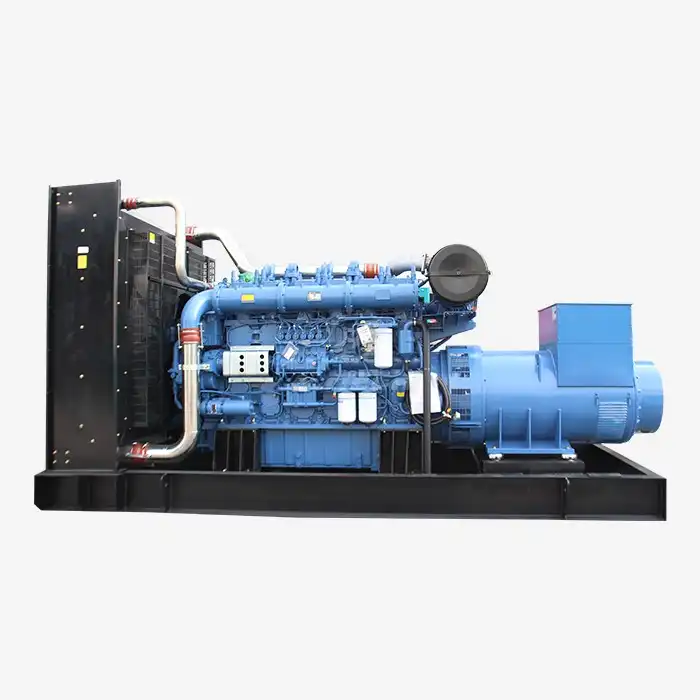 VIEW MOREPure copper brushless diesel generator
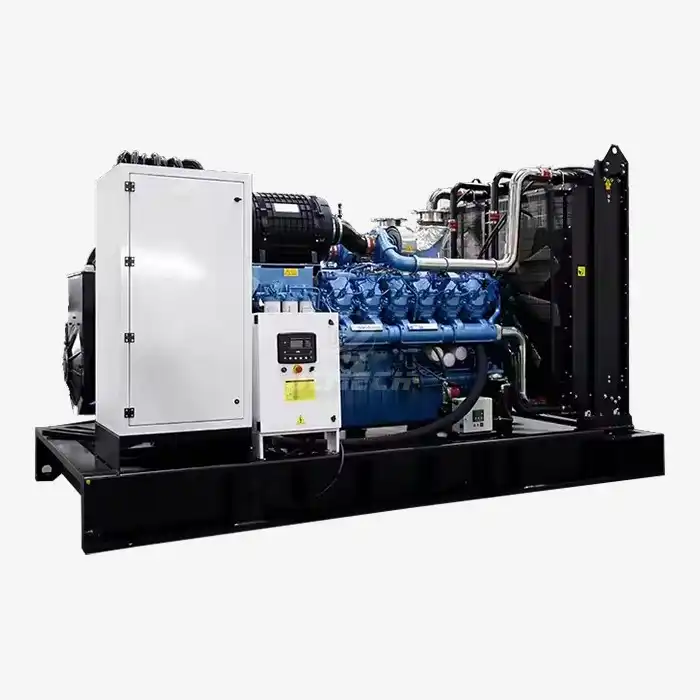 VIEW MOREAutomatic Start Diesel Generator
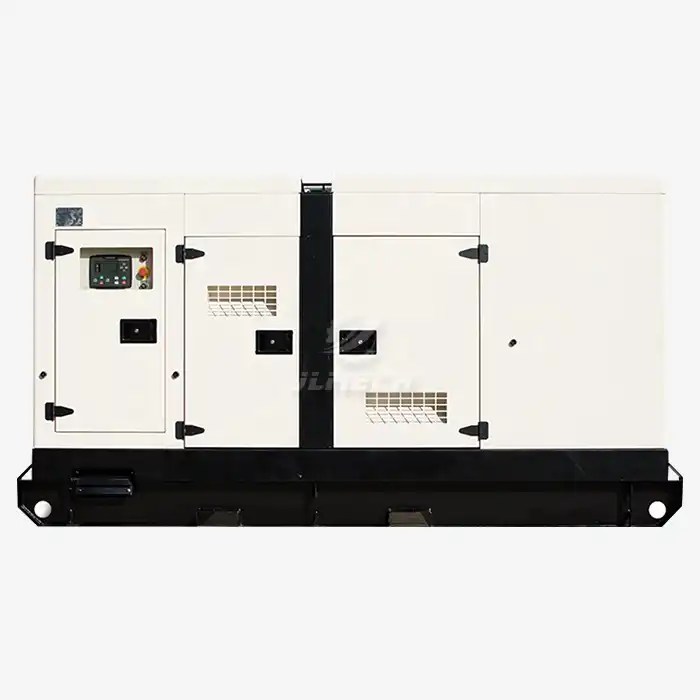 VIEW MOREDiesel generators used in hospitals
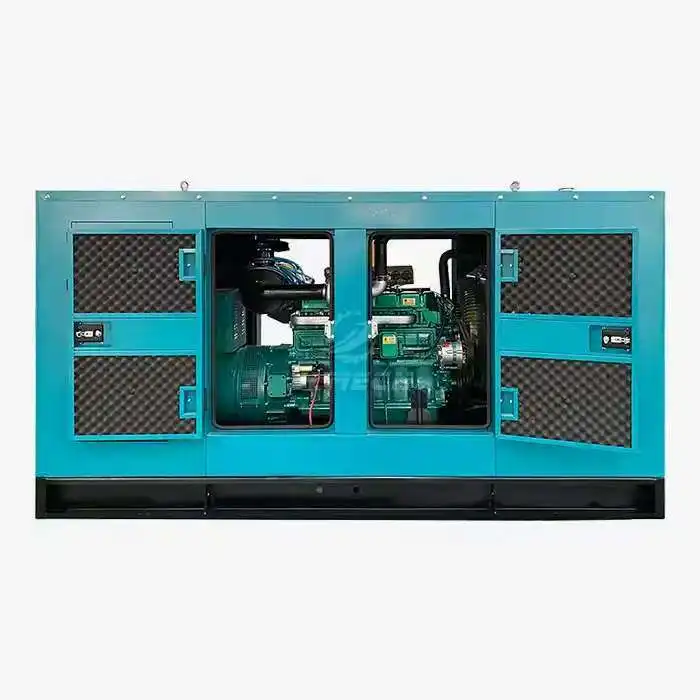 VIEW MOREdirect injection vehicular engine
 VIEW MOREfilter element of air filter