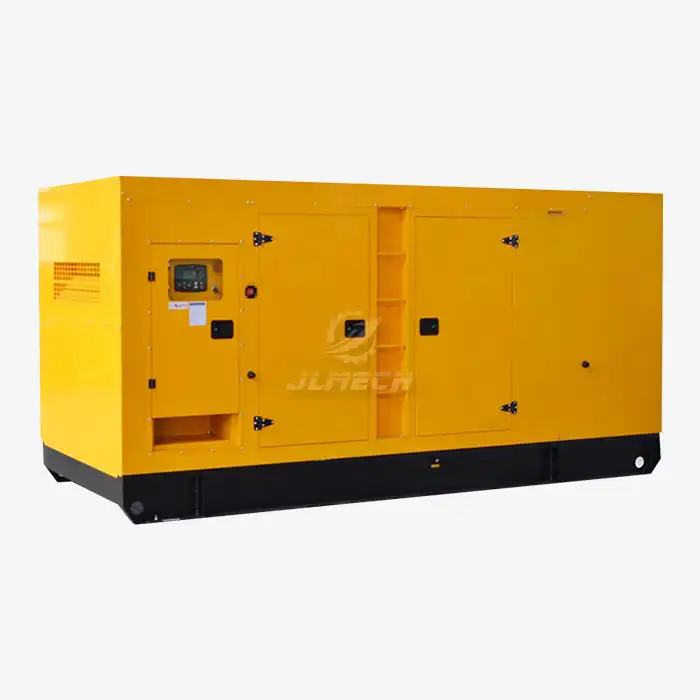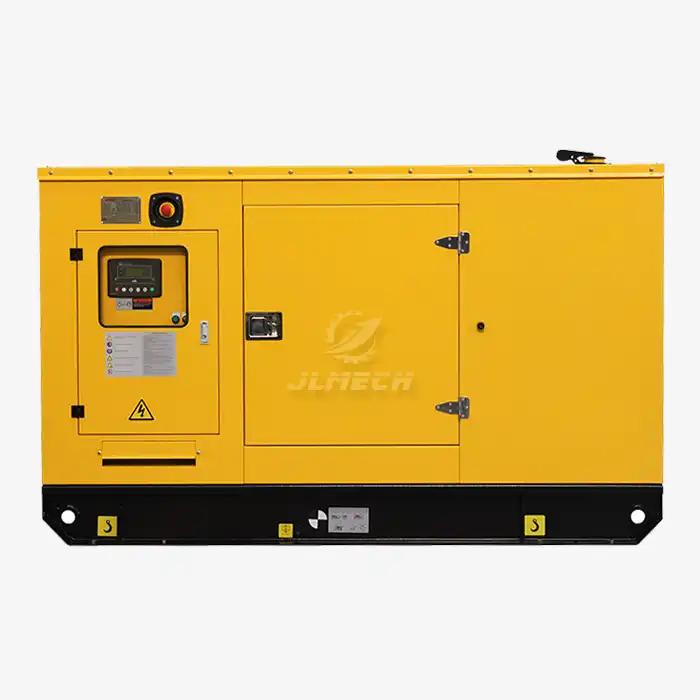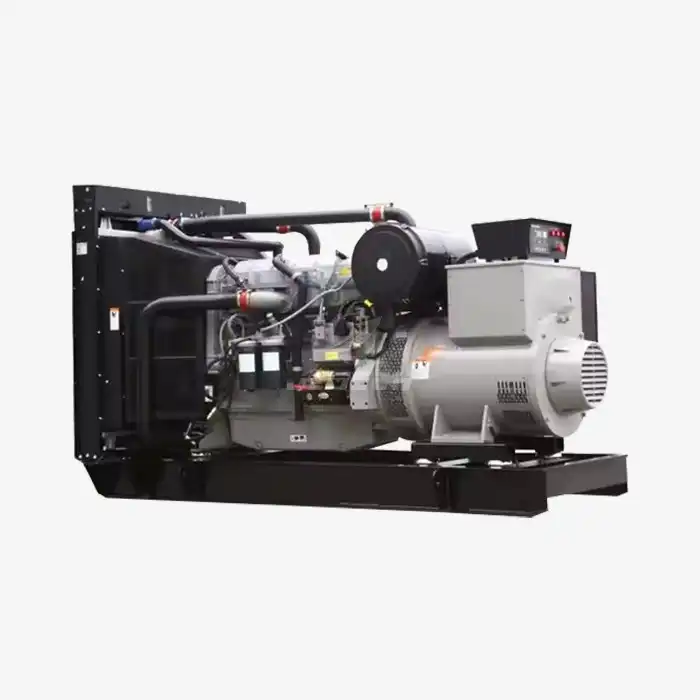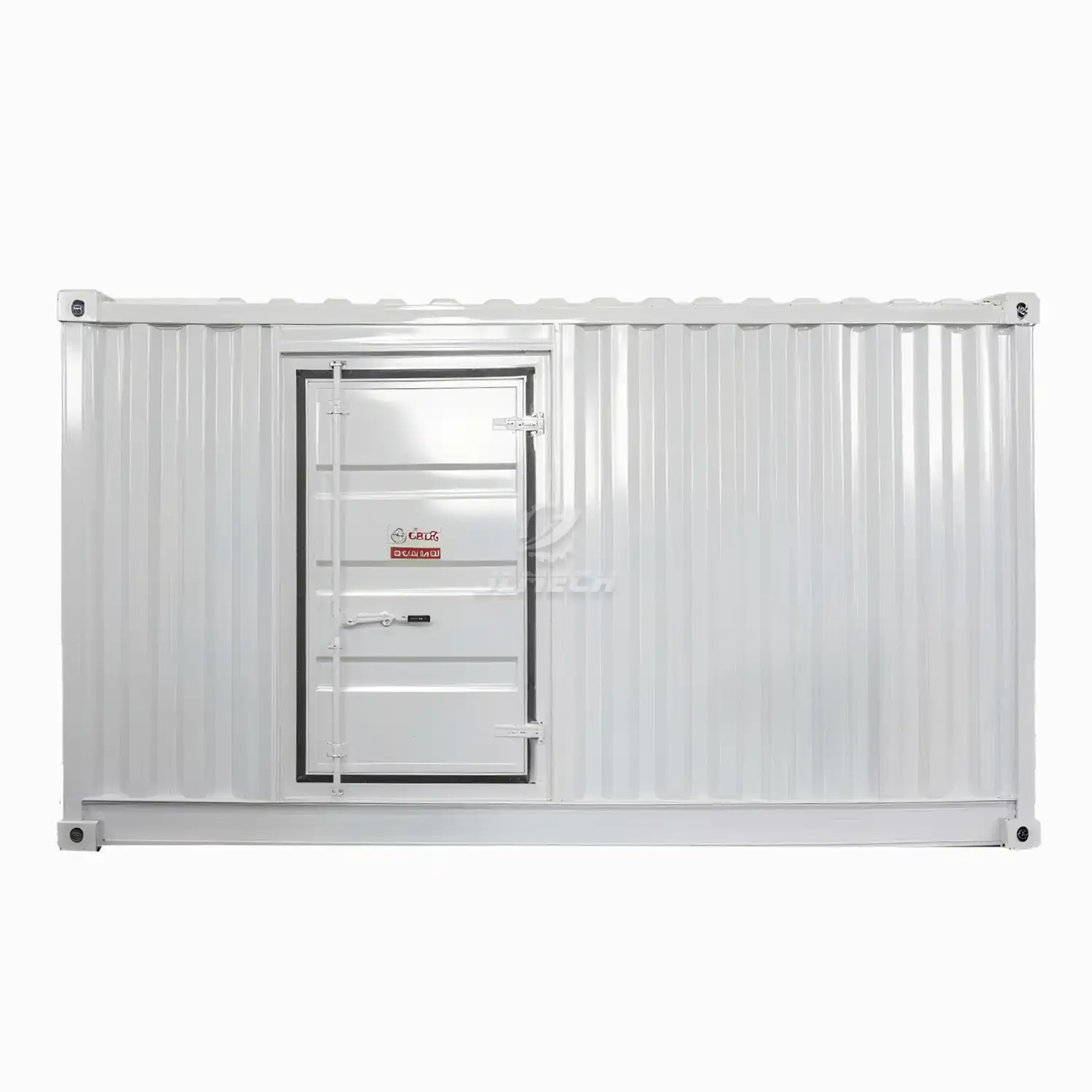




Is it okay to enclose a generator?
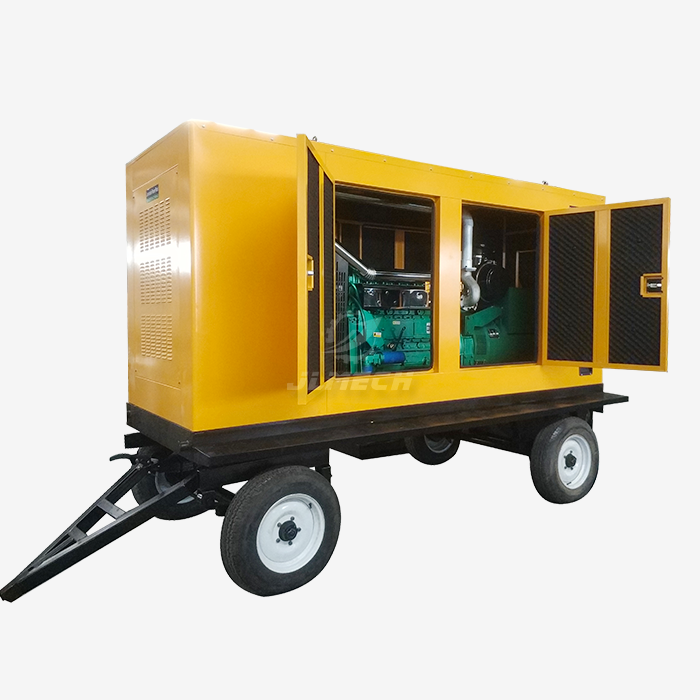
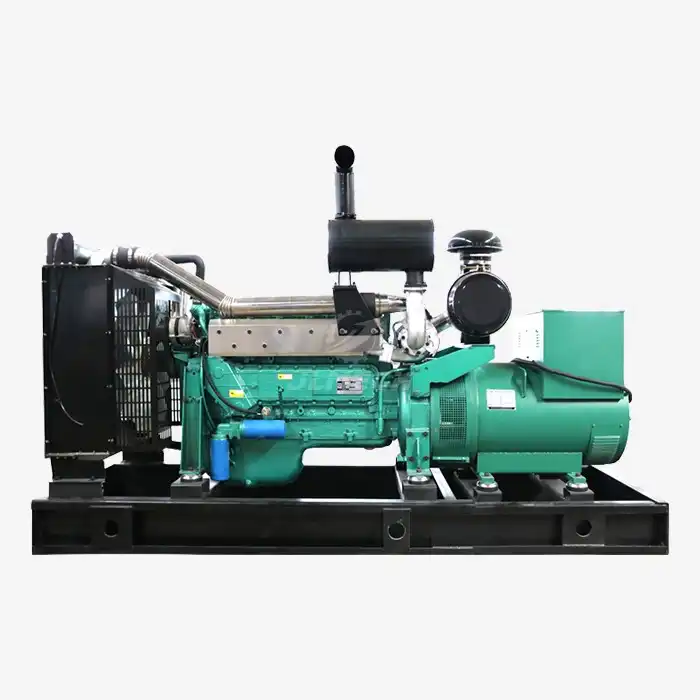
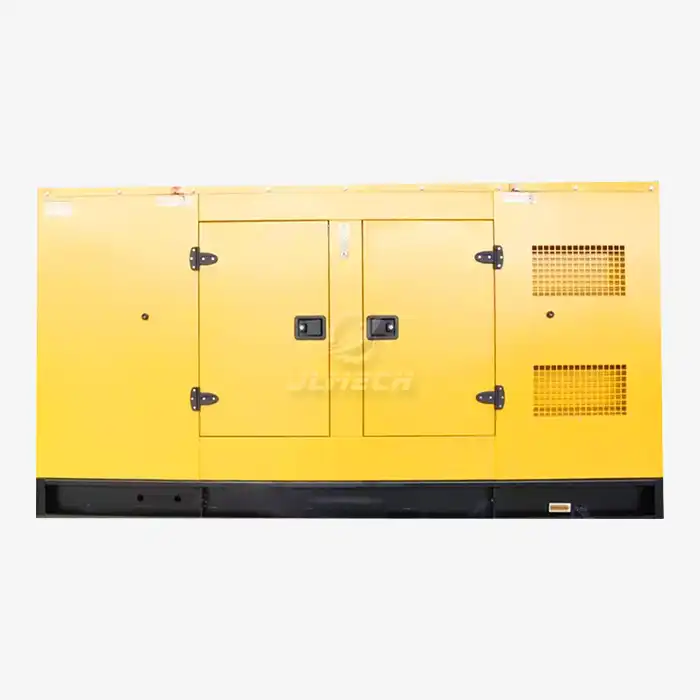
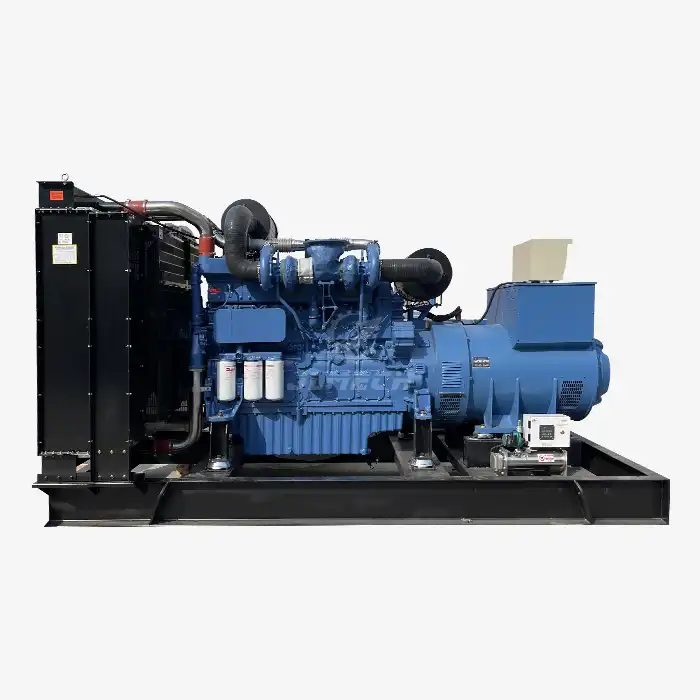
Absolutely. Not only is it okay to enclose a generator, but it is also often a necessary step for safe, compliant, and efficient operation. A properly designed enclosure mitigates the common challenges of generator use: excessive noise, environmental damage, and potential safety hazards. The key lies in understanding that enclosing a generator isn't about trapping it in a box; it's about integrating intelligent engineering to create a controlled environment. This approach ensures your equipment is protected and performs reliably, making an enclosed diesel generator a superior choice for many applications.
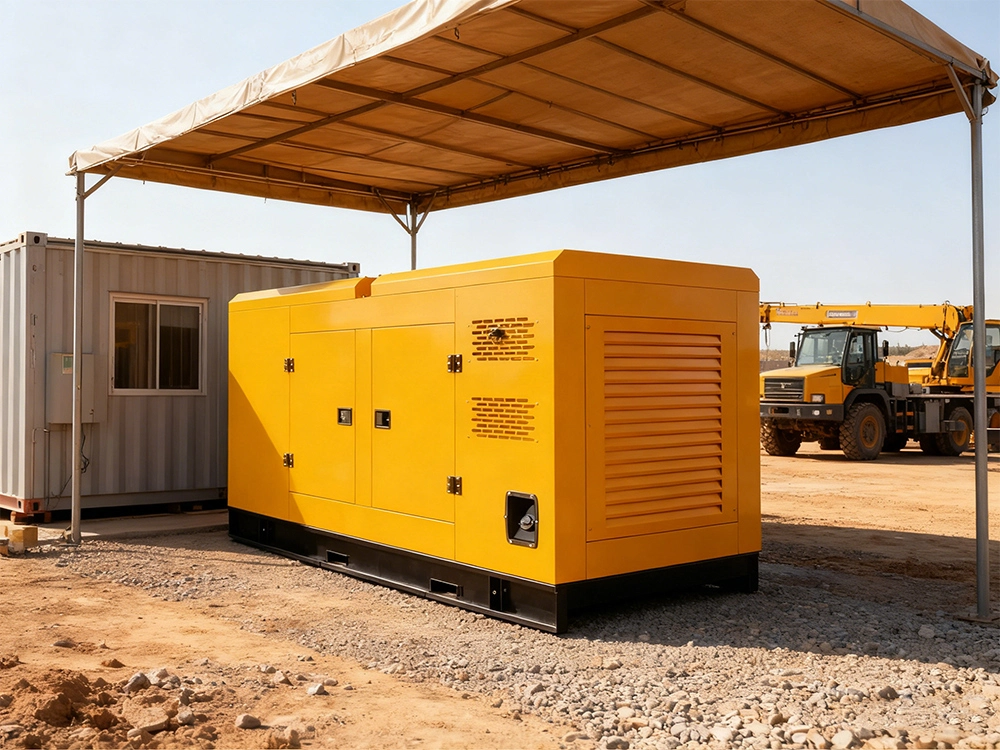
Understanding the Purpose
Enclosing a generator serves several critical purposes that go beyond simple noise reduction.
Noise Control: Generators are inherently loud, producing noise from the engine, exhaust, and cooling fan. An enclosure with integrated acoustic materials is essential for complying with local noise regulations and being a good neighbor, especially in residential or commercial areas .
Environmental Protection: An enclosure shields the generator from harsh weather conditions like rain, snow, dust, and extreme temperatures, which can cause corrosion and premature wear.
Safety and Security: It acts as a physical barrier, protecting the generator from accidental contact, vandalism, and tampering, while also containing potential hazards within a defined space.
Improved Aesthetics: A well-designed enclosure can be integrated into its surroundings much more effectively than an exposed machine, maintaining the visual appeal of a property.
Key Considerations Before Enclosing
Simply building a box around a generator can lead to catastrophic failure. Before proceeding, you must address these fundamental engineering requirements:
Ventilation and Airflow: This is the most critical factor. The engine requires a massive amount of cool, fresh air for combustion and to prevent overheating. An inadequate air supply will cause the generator to shut down or sustain serious damage.
Exhaust Management: Deadly exhaust gases, including carbon monoxide, must be vented directly and safely to the outdoors, away from any air intakes or occupied spaces.
Heat Dissipation: Generators produce immense heat. The enclosure design must manage this thermal load to protect both the generator and the enclosure's own components.
Access for Maintenance: Ample space and accessible doors are required for routine servicing, filter changes, and repairs. A design that hinders maintenance will increase long-term costs and downtime.
Ventilation: The Lifeline of Your Generator
A generator is essentially a powerful air pump. A successful enclosed diesel generator setup relies on a ventilation system that delivers performance in three key areas:
Adequate Air Volume: Calculate the engine's combustion and cooling air requirements, which can be found in the manufacturer's specifications. The ductwork and louvres must be sized to provide this volume without significant restriction.
Strategic Airflow Path: Design the ventilation to create a logical path for air to enter, flow over the generator, and exit. This prevents hot air from recirculating, which drastically reduces cooling efficiency. For instance, proper design ensures the temperature difference between the air entering the enclosure and the ambient environment remains within acceptable limits (e.g., a delta t value of less than 7°C is often targeted) .
Acoustical Treatment: Ventilation openings are major escape routes for sound. Use acoustic louvres or baffles that allow air to pass through while blocking sound waves. This maintains the noise-reducing benefits of the enclosure.
Noise Reduction Techniques
A quiet enclosure is a multi-layered system. Effective noise control for an enclosed diesel generator involves a combination of techniques:
Sound Absorption: Lining the interior walls with porous materials like mineral wool or acoustic foam absorbs sound waves, reducing reverberation and echo inside the enclosure. This is crucial for lowering the overall noise level.
Sound Insulation: Using dense, massive materials like mass-loaded vinyl or double-walled steel panels blocks sound from transmitting through the enclosure walls.
Vibration Isolation: Mounting the generator on anti-vibration pads or isolators is essential. This prevents structure-borne vibrations from traveling through the foundation into the building, which can be a significant source of low-frequency noise .
Exhaust Silencing: A high-performance critical-grade silencer on the exhaust system is non-negotiable for attenuating the engine's low-frequency rumble.
Compliance and Safety Standards
Enclosing a generator must be done in accordance with established standards to ensure safety and legality. Key areas of compliance include:
Fire Safety: Generator rooms should be constructed with fire-rated materials (e.g., walls with a 2-hour fire resistance) . A separate, well-ventilated fuel storage room with a fire-rated wall is often mandatory.
Electrical Codes: All electrical installations, including wiring, overcurrent protection, and grounding, must meet national codes such as the NFPA 70, National Electrical Code (NEC).
Emission and Noise Regulations: Compliance with directives like the EU Noise Emission Directive for outdoor equipment requires precise measurement of sound power levels, often following standards like ISO 3744. Generator sets may also need to conform to regional fuel and installation codes, such as the CSA B139 series in Canada .
Structural Requirements: The generator must be mounted on a raised, anchored concrete pad, and the overall structure must be sound.
Professional Installation vs. DIY
While a DIY enclosure might seem cost-effective, a professional design and installation is highly recommended.
Professional Installation guarantees that all complex factors—structural, thermal, acoustic, and aerodynamic—are balanced correctly. Professionals have the expertise to meet local building codes and safety standards, mitigating risk.
DIY Attempts carry a high risk of improper ventilation leading to engine failure, inadequate noise control, and potentially creating unsafe conditions, including fire or carbon monoxide hazards. The initial savings are often outweighed by costly repairs, fines, or failures down the line. Opting for a professionally engineered enclosed diesel generator solution from the start provides peace of mind and long-term reliability.
Conclusion
Enclosing a generator is not just "okay"—it is a smart, responsible decision when executed with careful planning and expert knowledge. A well-designed enclosure transforms a generator from a noisy, exposed machine into a safe, quiet, and reliable asset. By prioritizing critical aspects like ventilation, noise control, and compliance, you can protect your investment and ensure uninterrupted power without disruption.
Our expert team can help you select the most suitable enclosed diesel generator for your specific needs. Please send an email to skala@whjlmech.com to learn about our customized products and services designed for your company's unique power requirements.
References
- Deshpande, T., & Khonde, H. (2022). Diesel generator ISO 8528 certification: Noise, vibration, and temperature measurement. Welan Technologies.
- *CX-020900: MFC-787 Equipment Enclosure*. U.S. Department of Energy.
- Amendments to Fuel Oil Code Adoption Document (CAD) 2025. Environmental Registry of Ontario.
- Du, L. (2021). Architectural Electrical Design Common Technical Manual.
- Generator Room Fire Design Specification (2025). ZJTCN.