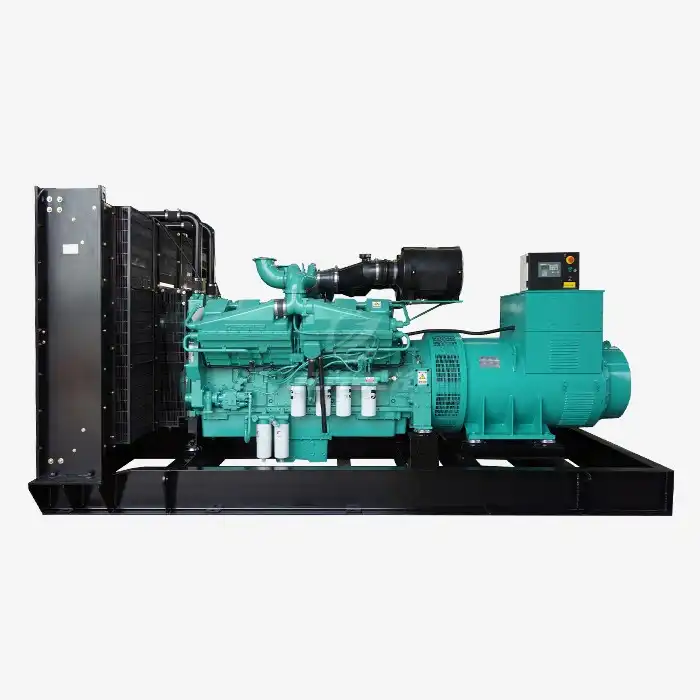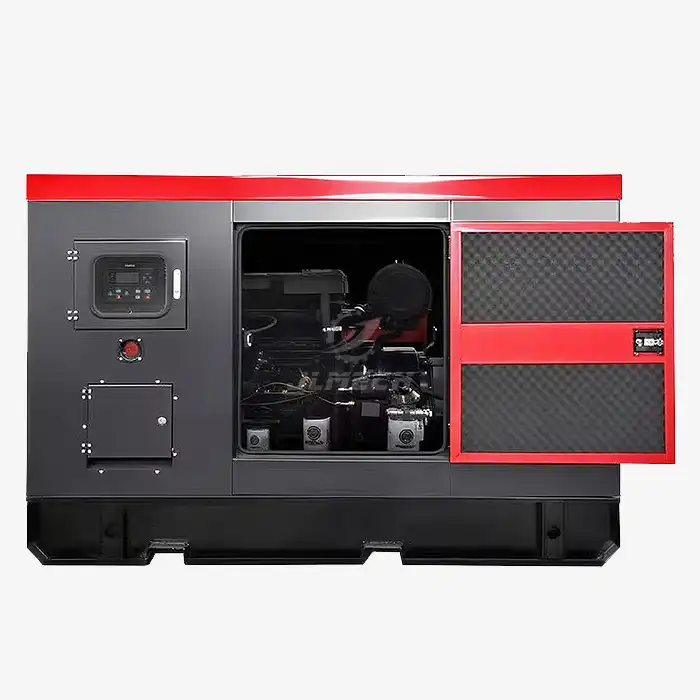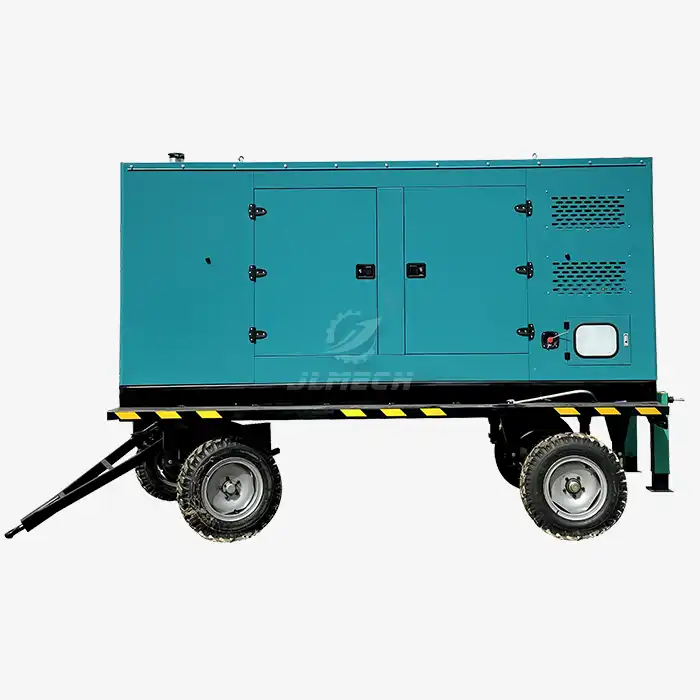




How to make a generator room soundproof?
For businesses and industries relying on diesel generators, ensuring reliable power is only half the battle. The noise generated can lead to environmental compliance issues, operator fatigue, and community disturbances. A comprehensive soundproofing strategy for your generator room is not just an upgrade—it's a necessity for sustainable and considerate operations. This guide will walk you through the essential steps, highlighting the role of the best sound absorbing material for generator noise control, to transform your generator room into a quieter, more efficient space.
Understanding Generator Noise
Generator noise is a complex mix of sounds from multiple sources. The engine produces a low-frequency rumble from combustion and mechanical movements, the exhaust system emits mid-frequency sounds, and the cooling fan generates a high-frequency whoosh. Furthermore, structural vibrations can travel through the room itself . This combination means a single solution is rarely effective. A successful strategy must address both airborne noise (traveling through the air) and structure-borne vibration (traveling through solid materials) . Identifying the best sound absorbing material for generator applications is the first step in a multi-pronged approach that also includes blocking and damping sound.
Step 1: Assess the Room and Seal Gaps
The first and most cost-effective step is to prevent sound from escaping through leaks.
Identify Gaps: Carefully inspect the entire room for gaps around doors, windows, cable penetrations, and pipe entries. Even small cracks can significantly compromise soundproofing .
Seal Them: Use acoustic sealant or caulk to seal all stationary gaps. For gaps around pipes and cables, use expanding foam or specialized penetrant seals.
Doors and Windows: Install weatherstripping around doors to create a tight seal . If possible, replace hollow-core doors with solid-core doors and single-pane windows with double-paned units to block sound transmission .
Step 2: Address Structural Vibration
Before a sound is heard, vibration travels through the structure. Stopping it at the source is crucial.
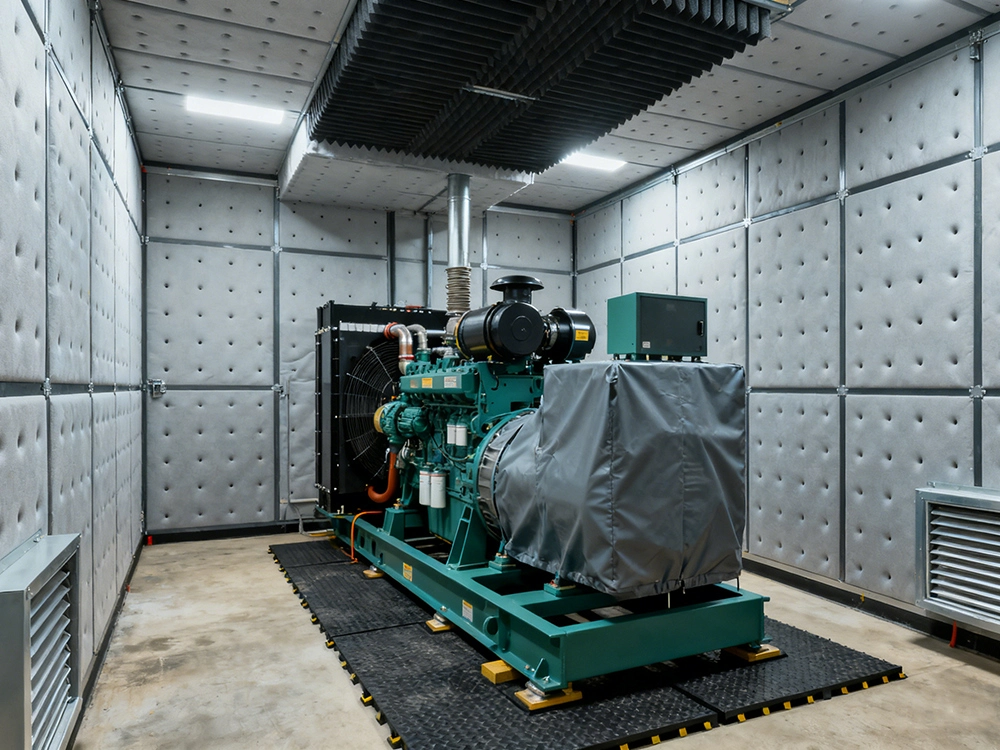
Vibration Isolation Pads: Place anti-vibration pads or mounts directly under the generator and any other vibrating equipment. These pads decouple the machine from the floor, preventing the transfer of structure-borne noise .
Flexible Connectors: Use flexible couplings on exhaust pipes and electrical conduits connected to the generator. This prevents vibrations from traveling along these rigid pathways.
Step 3: Upgrade Walls and Ceiling with Acoustic Materials
Containing sound within the room requires adding mass and absorption to the walls and ceiling.
Increase Mass: Add mass to walls and ceilings using dense materials like additional layers of drywall or mass-loaded vinyl (MLV). MLV is a thin, flexible, and high-density material that offers superior sound blocking without taking up much space .
Add Absorption: Install acoustic insulation batts, such as mineral wool or fiberglass, inside the wall and ceiling cavities . These materials are excellent for trapping sound waves and preventing them from passing through.
Build a Decoupled Wall: For maximum performance, construct a room-within-a-room using resilient channels. This technique decouples the inner wall from the outer structure, drastically reducing sound transmission.
Step 4: Implement Strategic Sound Absorption
While blocking sound keeps it in, absorption reduces the reverberation and echo inside the room, which lowers the overall noise level.
Install Acoustic Panels: Mount acoustic panels on walls and ceilings. These panels, often made from foam or fiberglass covered in fabric, absorb sound waves, reducing echo and reverberation .
Use Soundproof Curtains: Heavy, dense soundproof curtains can be hung on walls or over doors for additional absorption . For example, modular acoustic curtains combining a mass-loaded vinyl barrier and mineral wool absorption can be effective .
Choose the Right Core Material: The core of many acoustic solutions often involves porous absorbers like polyurethane foam or specialized materials like SOLIMIDE® foam, which is noted for its thermal stability and fire resistance, making it suitable for demanding environments . Selecting the best sound absorbing material for generator noise, such as high-performance mineral wool or specialized foams, is critical for tackling the mid-to-high frequency noise from fans and exhausts .
Step 5: Optimize the Exhaust and Ventilation
The exhaust system and ventilation are necessary but major paths for noise to escape.
Install a High-Performance Muffler: Upgrade the standard exhaust muffler to a high-quality industrial silencer designed to attenuate the low-frequency rumble of a diesel engine.
Soundproof Ventilation Ducts: Ventilation is critical for cooling, but the intake and outlet ducts act as tunnels for sound. Line the ducts with acoustic liners and design the ducts with baffles to create a tortuous path for sound, while ensuring airflow is not restricted.
Use Acoustic Louvers: Install acoustic louvers on ventilation openings. They are specifically designed to allow air to flow while blocking sound from passing through.
Step 6: Final Inspection and Maintenance
A soundproofing project is not complete without verification and a plan for longevity.
Check for Missed Gaps: Conduct a final inspection, looking and listening for any missed gaps or "flanking paths" where sound can leak out .
Measure the Results: Use a sound level meter to measure the noise levels outside the room before and after the soundproofing. This quantifies your success and identifies any remaining weak spots.
Maintain Integrity: Regularly check and maintain the seals on doors and windows, and ensure that vibration pads have not degraded over time.
Conclusion
Effectively soundproofing a generator room requires a systematic approach that combines mass to block sound, damping to reduce vibration, and absorption to lessen internal reverberation. There is no single magic bullet, but by meticulously sealing gaps, decoupling vibrations, and strategically employing acoustic materials, you can achieve a significant noise reduction. The quest for the best sound absorbing material for generator applications is a key part of this puzzle, working in concert with other techniques to ensure your operations are both powerful and peaceful. A quieter generator room means regulatory compliance, a safer work environment, and being a better neighbor.
References
Perspectives on acoustic metamaterials for noise control in aerospace applications. (2025, November 20). Chinese Journal of Aeronautics.
Dovorany, J. R. (2002). Less noise and vibration with foam. Machine Design, 74(22), 76.
Lightweight Additively Manufactured TPMS Sound Absorbers: Boosting Performance at Low Frequencies with Dual-Microperforated Panels. (2025, November 19). Results in Engineering.