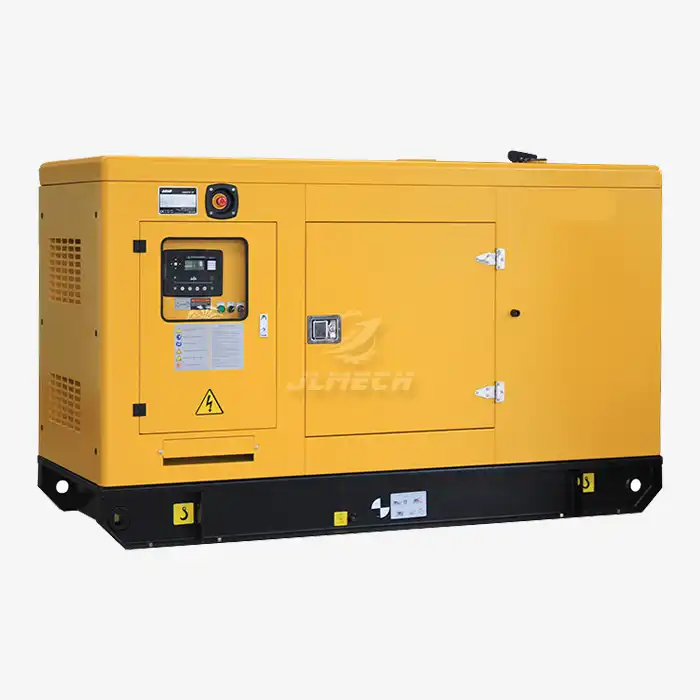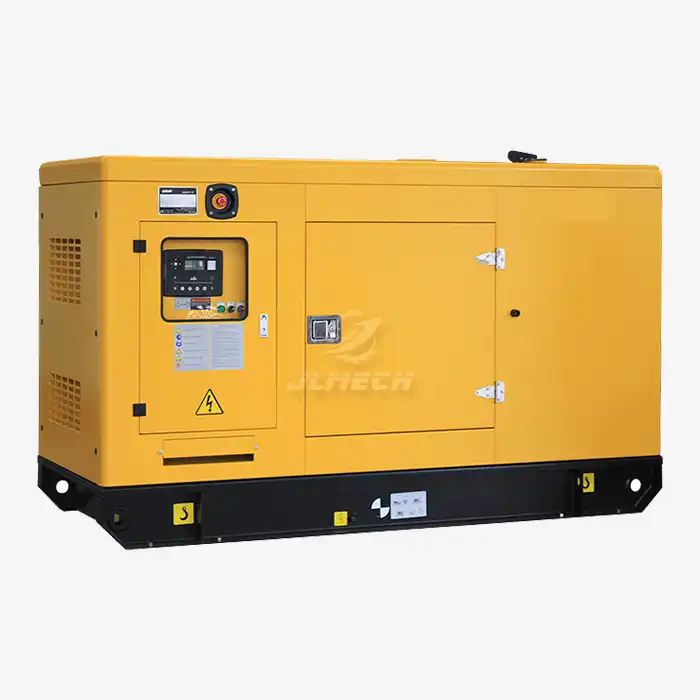




Is there a quiet muffler for a generator?
For businesses and industries relying on diesel generators, noise reduction is a critical concern. Excessive noise can lead to environmental compliance issues, operator fatigue, and community complaints. A well-designed muffler, paired with the best sound absorbing material for generator units, is essential for creating a quieter, more efficient operation. This article explores the technologies behind quiet generator mufflers and how the right acoustic materials can significantly reduce noise without compromising performance.
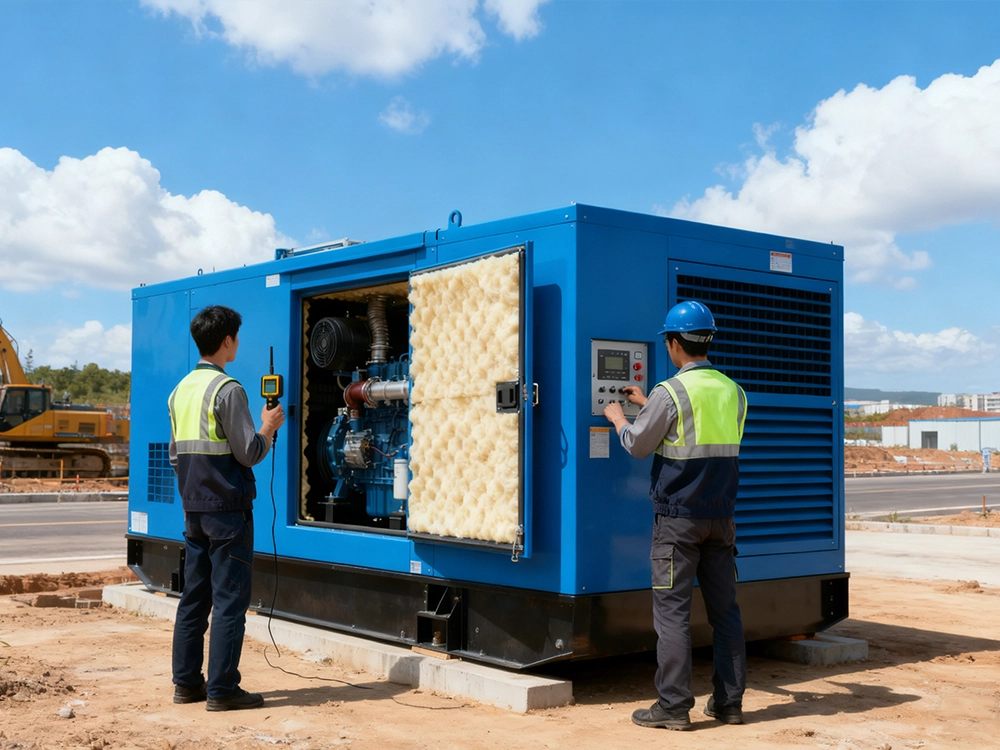
Understanding Generator Noise
Generator noise originates from multiple sources: the engine produces low-frequency rumble from combustion, the exhaust system emits mid-frequency sounds, and the cooling fan generates high-frequency whooshing. This broad spectrum of frequencies means that no single solution can address all noise issues effectively. A combination of muffler design and advanced sound-absorbing materials is necessary to tackle each type of noise. The exhaust system alone can contribute up to 25% of the overall sound produced by machinery , making it a primary target for noise control strategies. Identifying the best sound absorbing material for generator applications is the first step toward developing an integrated noise reduction system that addresses all these acoustic challenges.
Types of Mufflers: How They Work
Mufflers employ different principles to control noise, each with distinct advantages for specific frequency ranges:
Reactive Mufflers: These use chambers, baffles, and perforated tubes to reflect sound waves and cancel them out through interference . They are particularly effective for low-frequency noise but may create backpressure that can reduce engine efficiency.
Dissipative/Absorptive Mufflers: These are filled with porous sound-absorbing materials that convert sound energy into minimal heat through friction . They excel at reducing mid to high-frequency noise with less backpressure than reactive designs.
Hybrid Mufflers: Combining reactive and dissipative technologies, hybrid mufflers provide broadband noise attenuation across low, mid, and high frequencies . This makes them highly effective for comprehensive generator noise control.
Micro-Perforated Panel (MPP) Mufflers: Utilizing panels with sub-millimeter holes, MPP mufflers create Helmholtz resonators that absorb sound without fibrous materials . They are environmentally friendly, durable, and effective in low-to-mid frequency ranges, making them suitable for harsh environments where traditional materials might degrade.
Key Materials for Sound Absorption
Selecting the appropriate acoustic material is crucial for effective noise control. The ideal best sound absorbing material for generator applications should offer consistent performance across the frequency spectrum while withstanding operational conditions like vibration and temperature fluctuations.
Porous Absorbers (Polyurethane Foam, Melamine Foam): These open-cell materials are excellent for mid and high-frequency noise absorption (typically above 500 Hz) . Their interconnected cellular structure allows sound waves to enter, where friction converts acoustic energy into minimal heat.
Fiberglass and Mineral Wool: These classic industrial materials provide broad-frequency absorption but may require encapsulation to prevent fiber emission in environments with airflow . They offer high performance but raise concerns about durability and environmental impact.
Foamed Aluminum: This innovative material combines absorption and insulation properties . Closed-cell foamed aluminum performs well for high-frequency noise, while open-cell variants are more effective for low-frequency absorption (63-125 Hz). Its rigidity and ability to be composited with steel panels make it valuable for structural applications.
Micro-Perforated Panels (MPP): MPPs provide effective sound absorption without fibrous materials, making them suitable for clean and high-temperature applications . Their absorption frequency can be tuned by adjusting perforation parameters and cavity depth.
Composite Barriers: Multilayer panels combining different materials often yield superior results. One study achieved an average noise reduction of 23.20 dB(A) using a combination of galvanized metal sheet, polyurethane acoustic foam, and particle board .
Innovative Technologies in Quiet Mufflers
Recent advancements have introduced sophisticated solutions for challenging noise problems, particularly in the difficult-to-address low-frequency range:
Phononic Crystal Mufflers: These incorporate periodically arranged resonators within the expansion chamber to create "bandgaps" that block specific low-frequency noise ranges . Research shows that introducing defect states in these periodic structures can significantly expand the sound attenuation bandwidth.
Multi-Chamber MPP Designs: By partitioning the cavity behind micro-perforated panels or using parallel cavities of different depths, manufacturers can broaden the effective frequency range of MPP mufflers . This approach helps avoid the minima in transmission loss that plague single-chamber designs.
Helmholtz-ring Resonators: This novel design integrates ring Helmholtz resonators as phononic crystal scatterers, significantly enhancing low-frequency sound absorption in expansion chamber mufflers . The design demonstrates marked improvement in both transmission loss and aerodynamic performance compared to traditional expansion chambers.
Choosing the Right Solution: A Practical Guide
Selecting the optimal quieting solution requires careful consideration of your specific needs. Follow this structured approach:
Identify Your Priority: Determine whether you need to protect nearby operators (requiring good absorption inside enclosures) or reduce noise for the surrounding community (requiring high insulation in enclosure walls).
Analyze the Noise Spectrum: Use a sound level meter with frequency analysis if possible. Low rumbles require different solutions than high-pitched whines. Low-frequency noise typically needs reactive or specialized resonant absorbers, while high-frequency noise responds well to porous absorbers.
Consider the Environment: Evaluate exposure to fuel, oil, high temperatures, or moisture. Materials like foamed aluminum and treated foams offer better durability in harsh conditions compared to standard acoustic foam .
Evaluate Practical Constraints: Consider factors like weight, thickness, space limitations, and ease of installation. A dense, heavy composite panel may be highly effective but impractical for a portable generator.
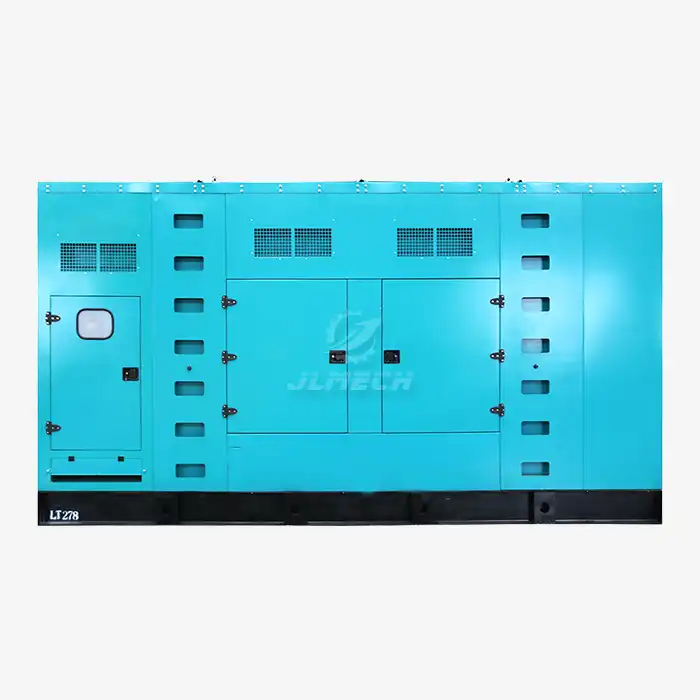
Plan for a Hybrid Approach: Combine materials for best results. Use absorptive materials like foam or fiberglass on interior surfaces to reduce reverberation, and dense, insulating materials for walls to block sound transmission.
Implement and Test: After installation, measure noise levels again to verify performance. Minor adjustments like sealing gaps can lead to significant improvements.
Common Mistakes to Avoid
Ignoring Low Frequencies: Simply lining an enclosure with thin foam does little to address the low-frequency rumble of a diesel engine. Incorporate mass or resonant absorbers specifically designed for low-end noise.
Neglecting Ventilation: An enclosure must allow adequate airflow to prevent overheating. All vents and ducts need acoustic treatment with baffles or liners to prevent them from becoming sound escape paths.
Overlooking Gaps: Even small gaps in an enclosure can drastically compromise acoustic performance. Ensure all panels are sealed with acoustic gaskets or sealant.
Focusing Only on Mufflers: Remember that the exhaust system is just one noise source. A comprehensive approach should also address engine vibration, fan noise, and structural transmission paths for complete noise control.
Conclusion
Yes, quiet mufflers for generators do exist, and they have evolved significantly with advanced materials and engineering. The most effective solutions typically combine reactive elements for low frequencies with absorptive materials for mid and high frequencies, sometimes enhanced with innovative technologies like micro-perforated panels or phononic crystals. The quest for the best sound absorbing material for generator applications depends on your specific noise profile, operational environment, and performance requirements. By understanding the principles of muffler design and material properties, you can make informed decisions that significantly reduce noise while maintaining generator efficiency and reliability.
Our expert team can help you select the most appropriate quiet muffler solution for your specific generator model. Please send an email to skala@whjlmech.com to learn about our customized products and services designed for your company's unique power needs.
References
Munjal, M. L. (2014). Acoustics of Ducts and Mufflers. John Wiley & Sons.
Acoustic performance analysis of muffler by varying sound absorption materials. (2023). Journal of Sound and Vibration, 425, 189-207.
Sound attenuation and absorption by micro-perforated panels backed by anisotropic fibrous materials: Theoretical and experimental study. (2018). Journal of Sound and Vibration, 425, 189-207.
Acoustic properties of a micro-perforated muffler with parallel-arranged cavities of different depths. (2024). Building and Environment, 261, 111728.
Design of phononic crystal for enhancing low-frequency sound absorption in mufflers. (2024). Scientific Reports, 14, 28921.
Materials for noise and vibration control. (2020). Sound and Vibration, 14(7).
RealTruck Expert Team. (2025). Flowmaster Muffler Chart and Comparison (Loudest to Quietest). RealTruck.
Boyd Corporation. (2020). Noise and Vibration Dampening (Part 2). Boyd Corporation.