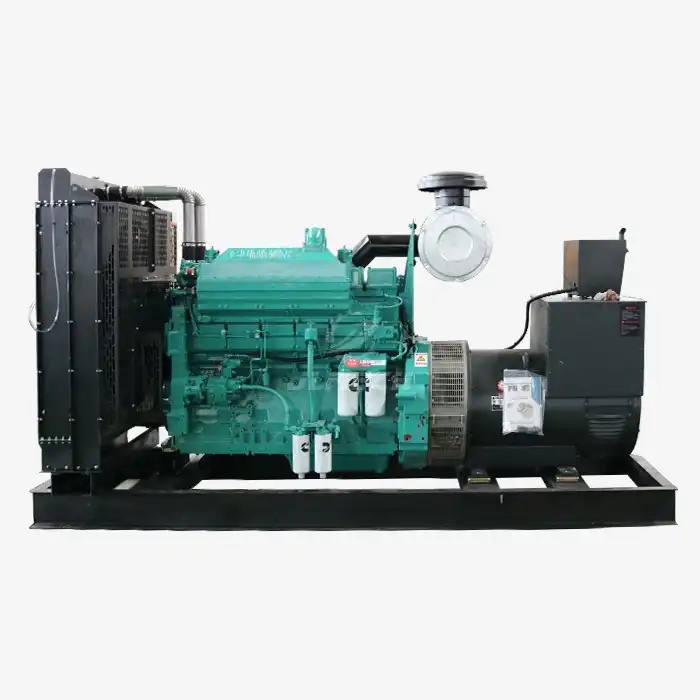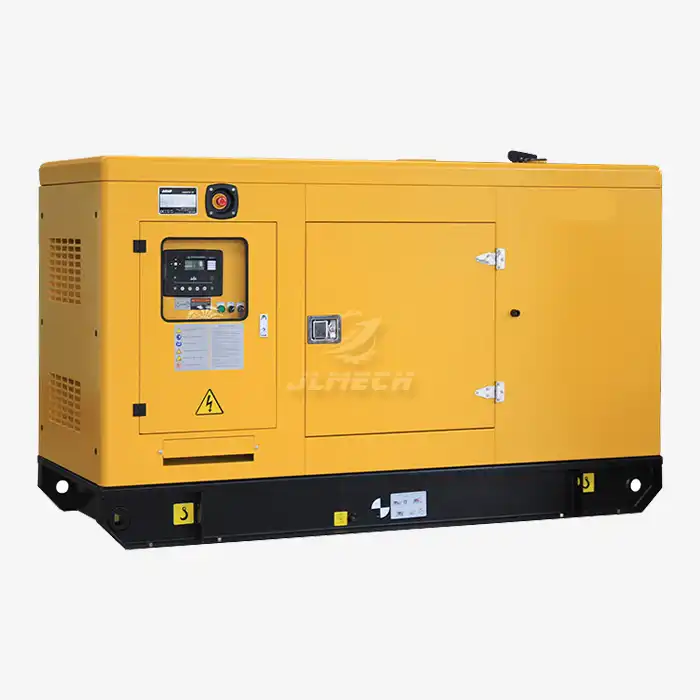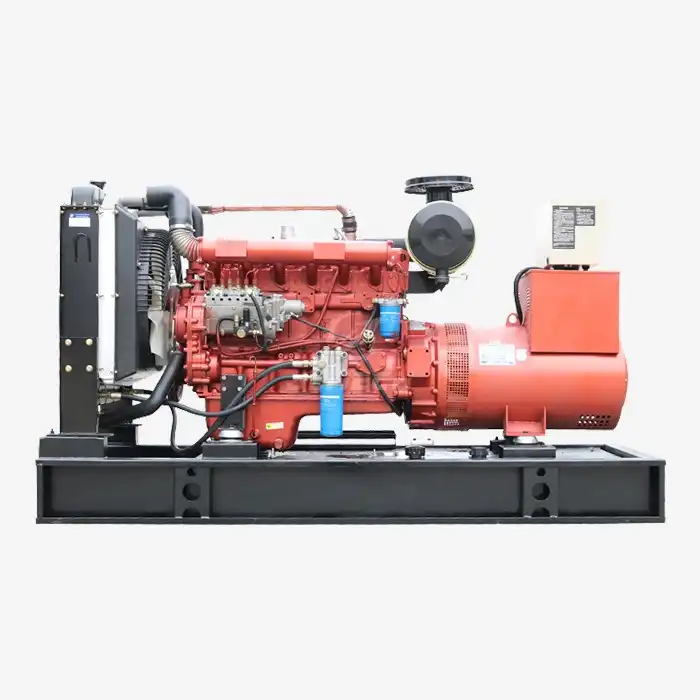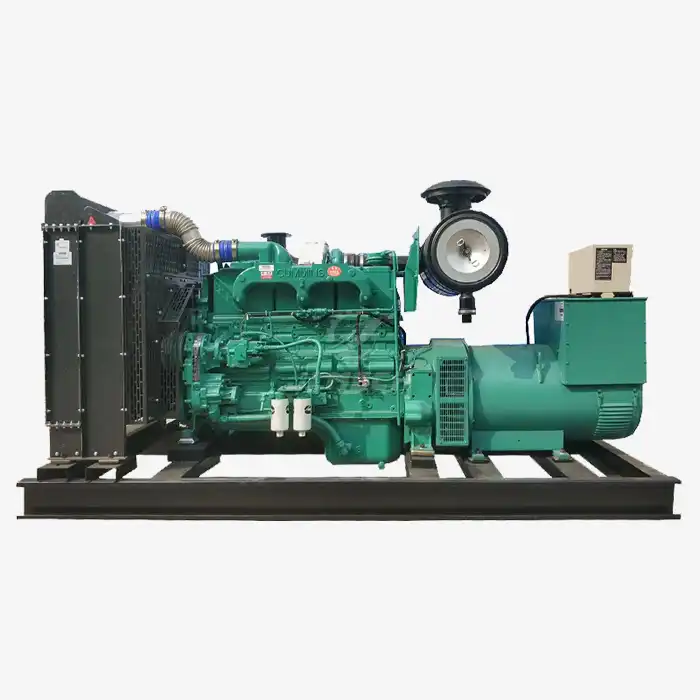




Proactive Maintenance: 7 Essential Tips for Your Cummins Engine Parts
Owning a Cummins-powered generator is like having a champion athlete on your team. To ensure it performs at its peak when the starting whistle blows—during a power outage—it needs consistent, intelligent care. Proactive maintenance isn't just about fixing problems; it's about preventing them entirely. By giving attention to your Cummins Engine Parts before they show signs of failure, you protect your investment, avoid costly downtime, and guarantee reliability. Think of it as a winning training regimen for your power generation equipment. Here are seven essential tips to keep your Cummins engine in gold-medal condition.
Why Proactive Care Beats Reactive Repairs
Waiting for a part to break before you fix it is a costly strategy. A reactive approach leads to unplanned downtime, emergency repair bills, and can cause secondary damage to other components. Proactive maintenance, however, is a scheduled, cost-effective program. It focuses on inspection, prediction, and prevention. By systematically caring for your Cummins Engine Parts, you extend the engine's lifespan, maintain optimal fuel efficiency, and gain peace of mind knowing your generator is truly ready for any emergency. It's the difference between being in control of your equipment and your equipment controlling you.
7 Essential Proactive Maintenance Tips
1. Prioritize Cooling System Vigilance
The cooling system is your engine's climate control. Overheating is a top cause of major engine damage. Proactively check coolant levels weekly and test coolant quality (acidification and additive strength) every 6 months. Inspect radiator fins for debris blocking airflow and check all hoses for cracks or soft spots. Replacing a $50 hose during routine service is a proactive win; a burst hose causing an overheated engine is a reactive disaster that can warp cylinder heads—a core Cummins Engine Parts failure.
2. Enforce a Strict Fluid and Filter Regimen
Oil is the engine's lifeblood, and filters are its kidneys. Never extend service intervals beyond Cummins' recommendations. Use only recommended grades of oil (e.g., API CK-4) and genuine Cummins filters. Genuine filters are engineered for optimal flow and protection of critical Cummins Engine Parts. Consider periodic oil analysis; a lab report can reveal early signs of wear (like rising metal particles) long before a problem surfaces, allowing you to schedule an inspection on your terms.
3. Listen, Feel, and Smell: Engage Your Senses
Become familiar with your generator's normal sounds and vibrations. During monthly exercise runs, listen for new knocks, whistles, or rattles. Feel for excessive vibration that might indicate loose mounts or imbalances. Sniff for unusual smells like burning rubber (a slipping belt) or unburned fuel. Your senses are the first and most immediate diagnostic tools, often detecting issues that warning lights miss until it's too late.
4. Keep It Clean and Secure
A clean engine is easier to inspect and less prone to problems. Regularly remove dirt, grease, and fluid spills. Debris can trap heat and hide leaks. More importantly, proactively check and retighten mounting bolts and manifold fasteners. Engines vibrate, and over time, bolts can loosen, leading to exhaust leaks, misalignment, and failed components. A simple torque check during service can prevent this.
5. Monitor and Manage Wear Items Proactively
Certain parts are designed to wear and need scheduled replacement—don't wait for them to fail. This includes:
Drive Belts: Check for cracks, fraying, and tension. A failed belt stops the coolant pump and alternator.
Batteries and Cables: Clean terminals, check voltage, and load-test batteries annually. Weak batteries strain starting motors and electrical systems.
Fuel Injectors: Have them inspected and tested per the service schedule. Clean, properly calibrated injectors are vital for performance, fuel economy, and clean emissions.
6. Exercise and Load Bank Under Load
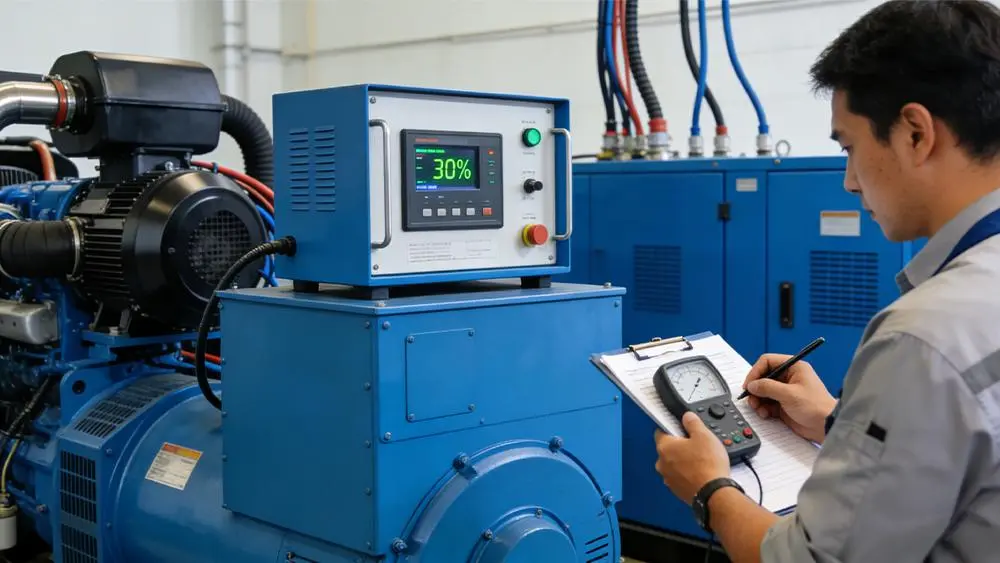
Running your generator monthly is good, but running it under a significant load is essential. A 30-minute exercise at 30-40% load is a minimum. Ideally, perform an annual load bank test. This brings the engine to full operating temperature, burns off moisture, cleans the exhaust system, and verifies that all Cummins Engine Parts—not just the engine, but the alternator and controls—can handle 100% of their rated capacity.
7. Build a Relationship with a Certified Expert
The most proactive step you can take is partnering with a certified Cummins distributor or service provider. They have the latest technical bulletins, specialized diagnostic tools, and factory-trained technicians who understand the nuances of Cummins Engine Parts. They can help you establish a tailored maintenance plan, use genuine parts for repairs, and provide expert diagnostics that go beyond basic checks.
Conclusion: An Investment in Certainty
Proactive maintenance for your Cummins engine is not an expense; it’s a strategic investment in reliability and lower total cost of ownership. By implementing these seven tips—from fluid discipline to expert partnership—you shift from hoping your generator works to knowing it will. You transform maintenance from a chore into a powerful business continuity strategy.
References
Cummins Inc. (2023). Operations and Maintenance Manual for QSK Series Diesel Engines. Cummins Power Generation.
Fleet Maintenance Magazine. (2022). The 5 Pillars of Proactive Diesel Engine Maintenance. Retrieved from Fleet Maintenance Online.
National Fire Protection Association (NFPA). (2022). NFPA 110: Standard for Emergency and Standby Power Systems, Chapter 8 (Maintenance and Testing).