




More Than Just Oil: A Guide to Diesel Engine Lubricants and Their Critical Functions
Imagine the engine of your diesel generator as a bustling, miniature city inside a metal block. Pistons shoot up and down like high-speed elevators in skyscrapers, metal gears interlock like complex machinery, and temperatures soar. Now, imagine flooding this entire city with a magical fluid that not only makes every movement perfectly smooth but also cleans the streets, cools the infrastructure, and protects everything from corrosion. This fluid is your Diesel Engine Lubricants. It is far more than just "oil"; it is the essential lifeblood and a multi-tasking maintenance crew working inside your engine 24/7. Using the wrong type or neglecting it is like sending an untrained crew into that city—things will quickly break down. This guide will show you why this fluid is so critical and how to choose the right one to ensure your generator's engine lives a long, healthy life.

Why Lubrication is Non-Negotiable
At its core, an engine is a collection of finely machined metal parts moving at high speeds under immense pressure. Without a protective film between them, this metal-on-metal contact would create catastrophic friction, generating extreme heat and causing parts to weld together or wear out in minutes. The primary job of Diesel Engine Lubricants is to create this protective film. However, its role extends far beyond just preventing friction. Think of it as your first and most cost-effective line of defense against wear, a key player in operational efficiency, and a major factor in determining your engine's total lifespan. Neglecting lubrication is the fastest way to turn a valuable power asset into a costly repair project.
The Multitasking Marvel: 5 Critical Functions of Engine Lubricant
Modern lubricants are engineered cocktails of base oils and advanced chemical additives. Here’s what they do inside your engine:
Lubrication & Friction Reduction: This is the headline act. The oil forms a durable film on components like piston rings, cylinder liners, bearings, and camshafts. This film allows parts to glide past each other with minimal resistance, dramatically reducing wear and the power lost to friction. This directly translates to better fuel efficiency and preserved engine power.
Cleaning & Suspension: As an engine runs, it produces byproducts: soot from combustion, microscopic metal wear particles, and acids. A high-quality lubricant contains detergents and dispersants that act like tiny scrubbers. They clean surfaces and hold these contaminants in suspension, preventing them from clumping together into harmful sludge or varnish. The particles are then safely trapped by the oil filter until the next change.
Cooling: The cooling system handles about 60% of an engine's heat, but the oil is responsible for the rest. It absorbs intense heat from critical, hard-to-cool areas like the underside of the pistons, the crankshaft bearings, and the camshaft, carrying it away to the oil pan where it can dissipate. This prevents local overheating and component failure.
Sealing: The oil film helps create a dynamic seal between piston rings and cylinder walls. This seal is crucial for maximizing compression (which means power) and preventing combustion gases from leaking into the crankcase (a process called "blow-by"), which would contaminate the oil.
Protection Against Corrosion: Engines produce acidic compounds as fuel burns, especially during short run cycles. These acids can attack bearing surfaces and other metal parts. Diesel Engine Lubricants are fortified with anti-corrosion additives that neutralize these acids and coat metal surfaces with a protective layer, preventing rust and chemical pitting.
Decoding the Label: How to Choose the Right Lubricant
You can't use just any oil. Choosing the correct Diesel Engine Lubricants means understanding two key standards on the bottle:
Viscosity Grade (e.g., 15W-40): This is the oil's thickness or flow characteristic. The "W" (Winter) number indicates how it flows when cold for easy starting. The second number indicates its thickness at normal operating temperature. Using the wrong viscosity can lead to poor lubrication at startup or excessive drag and overheating. Always use the viscosity recommended by your engine manufacturer.
Performance Specification (API Service Class): This is the quality standard. For diesel engines, look for the API "C" category. The current highest standard for most generators is API CK-4. This designation guarantees the oil meets strict tests for wear protection, soot handling, oxidation resistance, and aeration control. Using an oil labeled "CK-4" ensures it has the advanced additive package needed for a modern, high-stress diesel engine. Older specs like CJ-4 or CI-4 may be acceptable for some engines, but CK-4 offers the best protection.
Synthetic vs. Conventional Oil: What's the Difference?
Conventional Mineral Oil: Refined directly from crude oil. A cost-effective choice for older engines or less severe operating conditions.
Full Synthetic Oil: Chemically engineered for superior performance. It offers better flow at cold temperatures, superior stability and protection at high temperatures, longer service life, and better resistance to sludge. For generators, especially those in extreme climates or with extended service intervals, synthetic Diesel Engine Lubricants are often worth the investment.
Maintenance is Key: The Simple Rules
The best oil in the world cannot protect your engine if it is not properly maintained.
Change Intervals: Follow the manufacturer's recommended oil and filter change intervals strictly. These are based on operating hours, not just calendar time.
Oil Analysis: For critical or high-value generators, consider periodic oil analysis. A lab can test a small sample and provide a report on wear metals, contaminants, and the oil's remaining useful life, allowing you to predict problems before they cause failure.
Keep It Clean: Always ensure the oil fill cap and area are clean when adding oil to prevent dirt from entering the system.
Conclusion
Your generator's oil is its single most important consumable. It is a sophisticated, multi-functional fluid that lubricates, cools, cleans, seals, and protects. Viewing it as just an "oil change" is a missed opportunity to extend your engine's life and ensure reliable performance. Investing in the correct high-quality lubricant and adhering to a disciplined maintenance schedule is the simplest, most effective way to protect your power generation investment.
Choosing the right oil and maintenance plan for your specific generator model and operating environment can optimize performance and longevity. Our technical team can provide expert recommendations based on your equipment and needs.
For a consultation on the best Diesel Engine Lubricants and maintenance strategy for your generators, contact us at skala@whjlmech.com.
References
American Petroleum Institute (API). (2020). Engine Oil Licensing and Certification System (EOLCS) Publication 1509. (Defines API CK-4, FA-4 standards).
Society of Automotive Engineers (SAE). (2019). SAE J300: Engine Oil Viscosity Classification. SAE International.
Chevron Marine Products. (2022). A Guide to Marine Diesel Engine Lubrication. Chevron Lubricants.
Polaris Laboratories. (2023). Understanding Your Diesel Engine Oil Analysis Report. Polaris Laboratories.
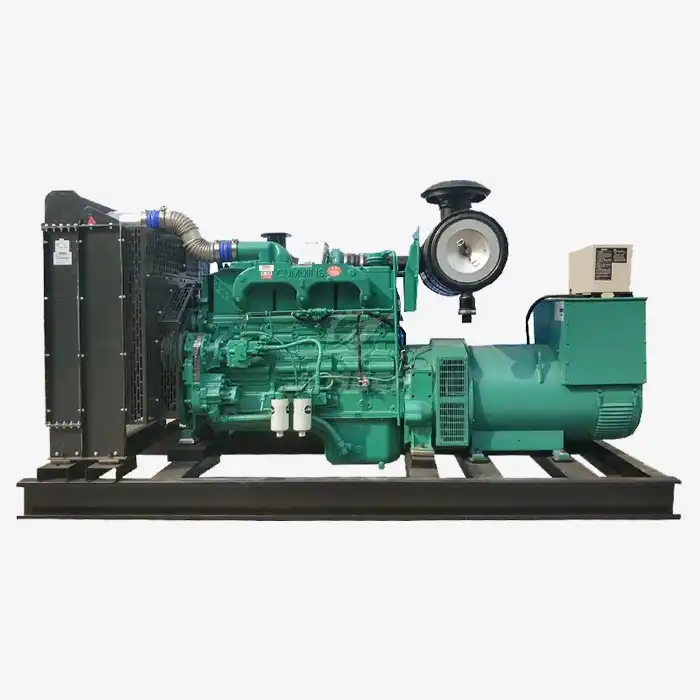 VIEW MORELong run diesel generator
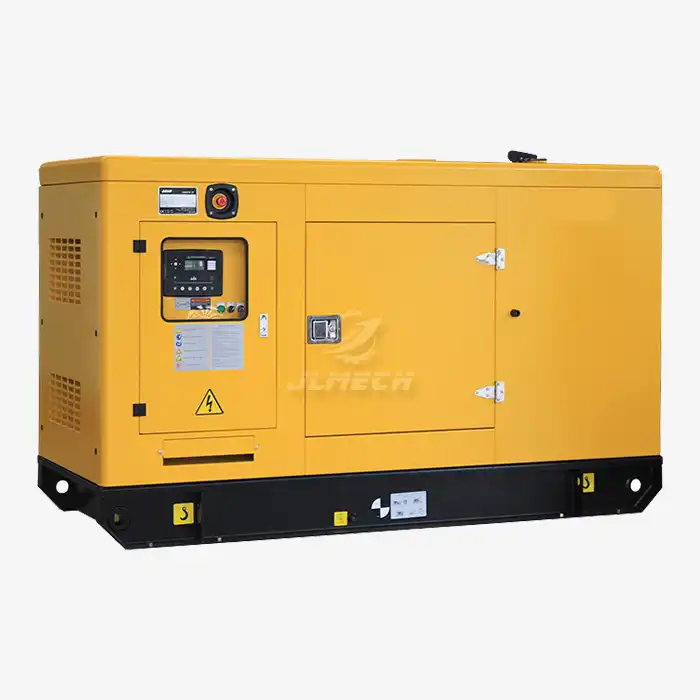 VIEW MORENew 6 Cylinders Water Cooled Diesel Generator Set
 VIEW MOREIndustrial application diesel generator
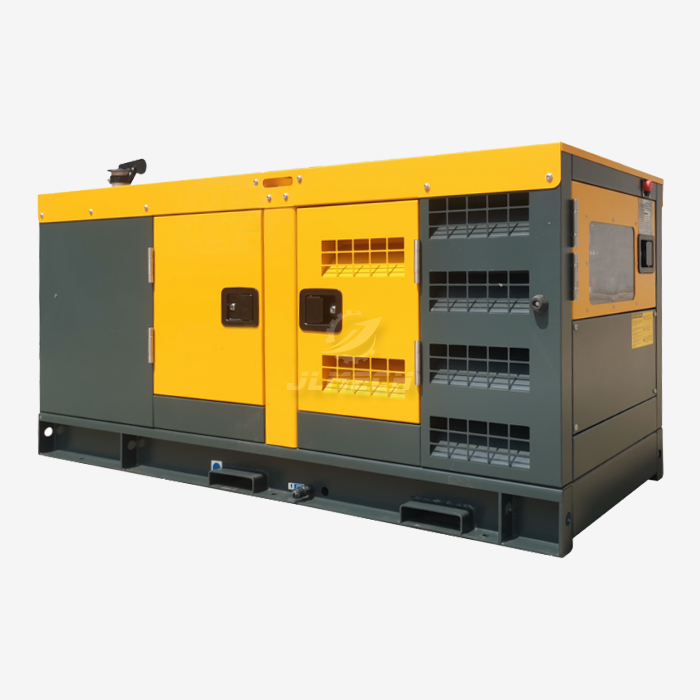 VIEW MOREOverload Protection Diesel Generator Set
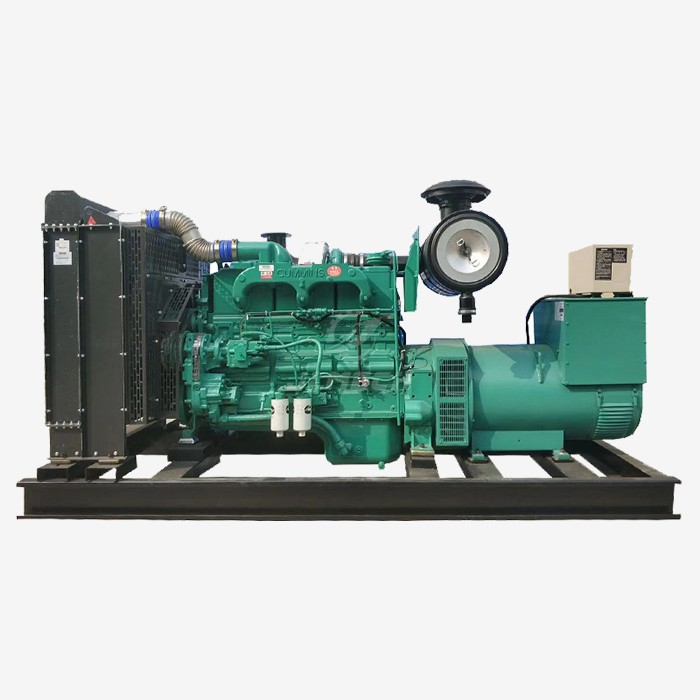 VIEW MOREgenerator 70 kva
_1753350153132.webp) VIEW MORE100% copper diesel generator
VIEW MORE100% copper diesel generator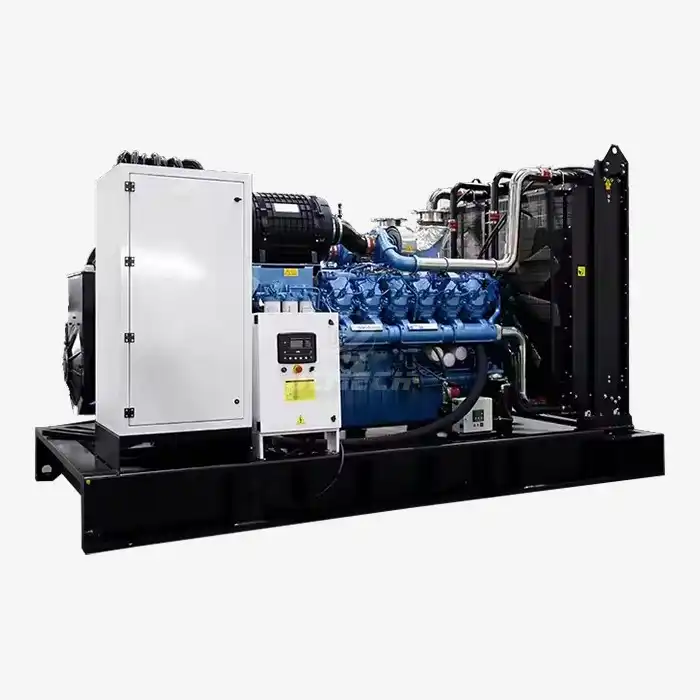 VIEW MOREAutomatic Start Diesel Generator
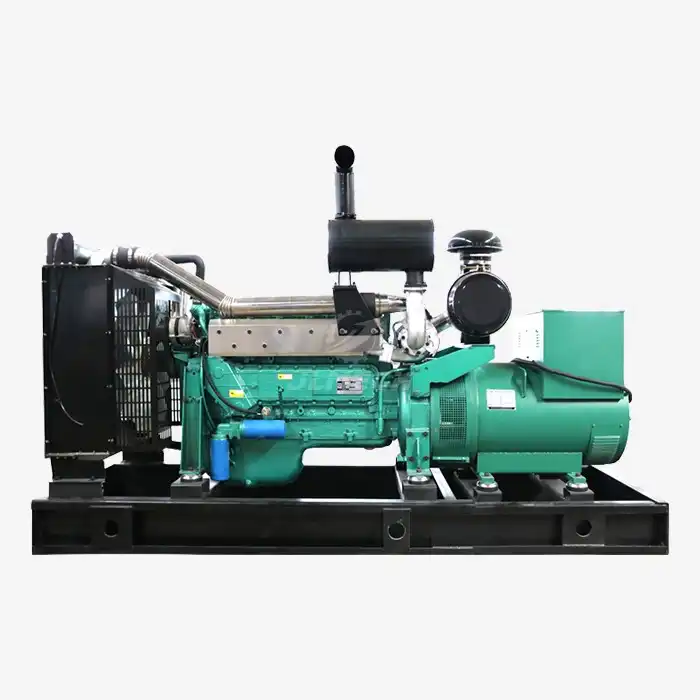 VIEW MOREAutomatic diesel generator