



Safety First: A Checklist for Emergency Light Installation in Generator Rooms
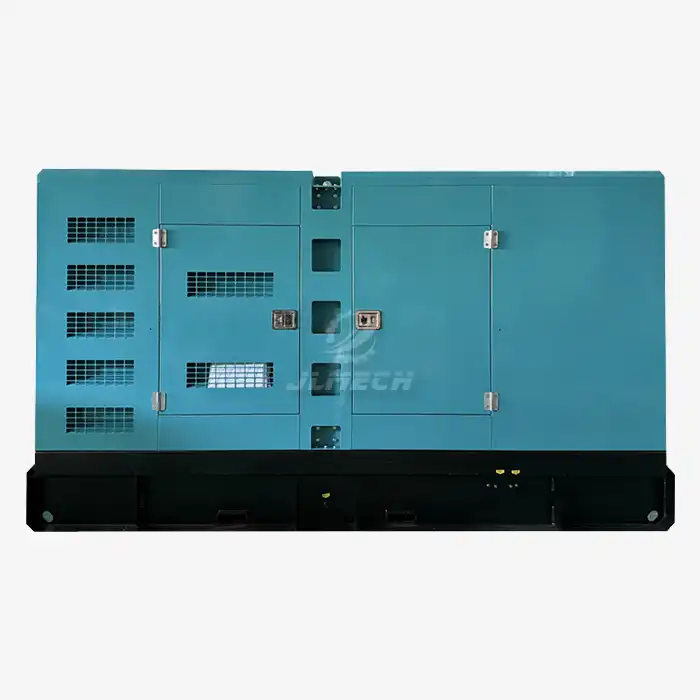
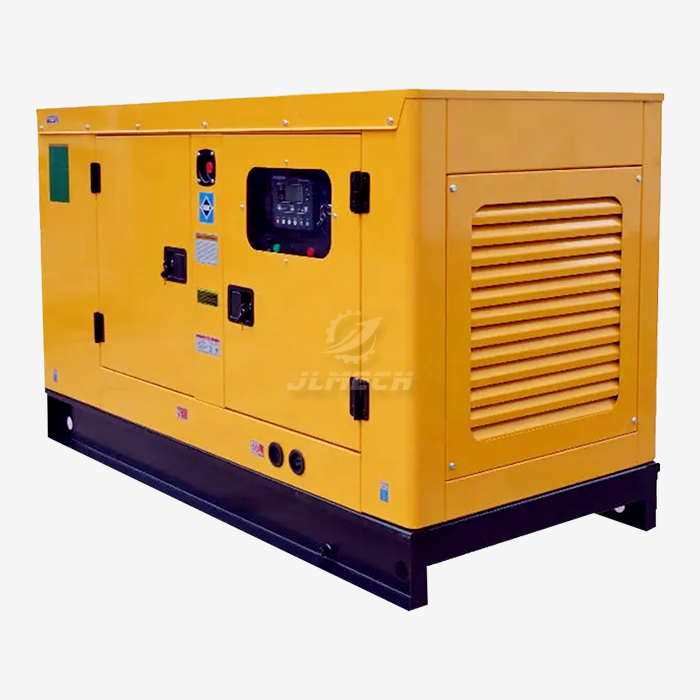
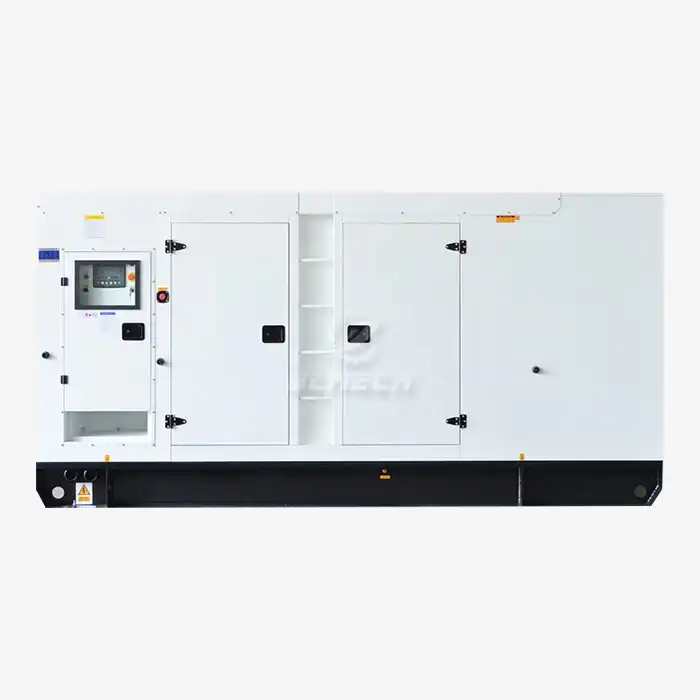
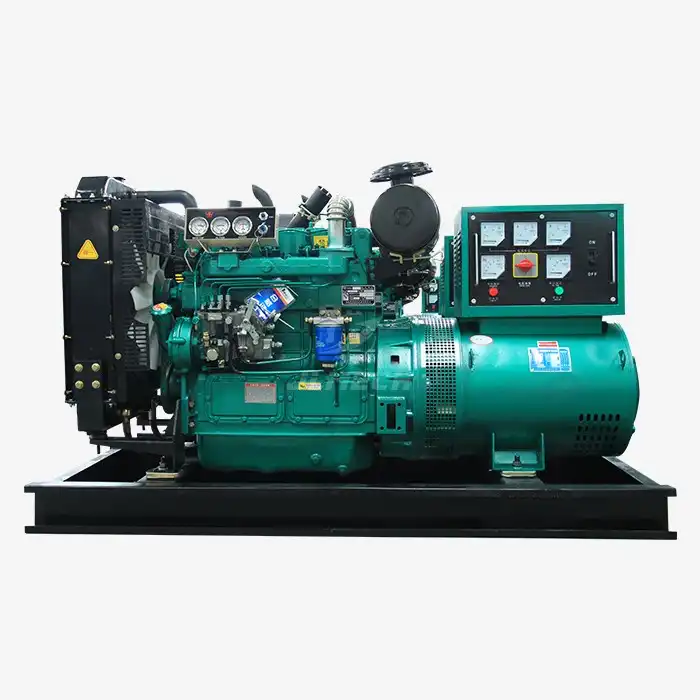
Imagine navigating a dark, unfamiliar room during a sudden power outage. Now, imagine that room contains a large, running diesel generator, fuel lines, and electrical panels. Without a clear path to the exit, this becomes more than an inconvenience—it becomes a serious safety hazard. This is why proper emergency lighting in your Generator Room is not just a good practice; it's a critical, life-saving requirement. Think of it as installing a luminous safety net. When the main lights fail, this system automatically activates, providing immediate, battery-powered illumination to guide personnel safely out, prevent panic, and allow for a controlled shutdown of equipment. This guide provides a clear, step-by-step checklist to ensure your emergency lighting is installed correctly, keeping safety as your top priority.
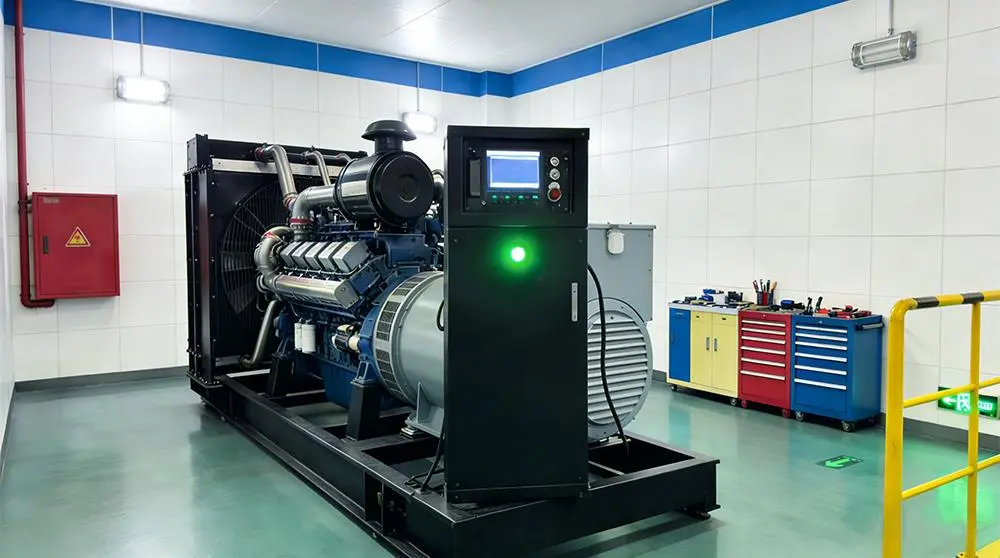
Why Emergency Lighting is a Non-Negotiable Safety System
The Generator Room houses your facility's critical power backup, but it also contains inherent risks: moving parts, high temperatures, live electrical connections, and flammable fuels. A total blackout in this environment during a utility failure—which is precisely when the generator might be starting or running—creates a perfect storm for accidents. Emergency lighting is mandated by international safety codes (like NFPA 110 and local building codes) for one core reason: to define and illuminate the path of egress. It ensures that exit doors, emergency shut-off buttons, fire extinguishers, and the path to them are always visible, allowing for safe evacuation and preventing injuries in smoky or dark conditions. It's a fundamental layer of protection for your people.
Pre-Installation Planning & Design Checklist
Before purchasing a single light fixture, a proper plan is essential. This phase ensures the system will be effective when needed most.
Identify All Required Illumination Points: Walk the planned exit path. Lights must be installed at every:
Designated exit door.
Change in direction (corners, intersections of walkways).
Stairway (top, bottom, and each landing).
Location of critical safety equipment (automatic transfer switch, emergency fuel shut-off valve, fire suppression controls, first-aid kit).
Area near the generator control panel to allow for a safe shutdown procedure.
Calculate Light Levels and Placement: Emergency lighting must provide a minimum of 1 foot-candle (approx. 10 lux) of illumination at floor level. Avoid placing lights where the generator itself or other equipment will cast large shadows on the escape route. Lights should be mounted high (typically 2+ meters) to provide wide coverage.
Choose the Correct Fixture Type: Select fixtures rated for the environment.
Non-Hazardous Location Fixtures: Standard LED emergency lights are sufficient for most generator rooms without explosive atmospheres.
Hazardous Location Fixtures: If your local codes classify the Generator Room as a hazardous location due to fuel vapors, you must install fixtures with the appropriate Class, Division, and Group rating (e.g., Class I, Division 2). These are sealed to prevent sparks.
Decide on Power Source: Ensure fixtures have a self-contained, sealed lead-acid or lithium battery that automatically charges when mains power is on and activates instantly upon power loss. For larger rooms, a central battery system with remote light heads is an option.
Review Local Codes and Standards: Always comply with the latest edition of applicable standards such as NFPA 101 (Life Safety Code), NFPA 110 (Standard for Emergency Power Systems), and your national/regional electrical code. A licensed electrician can advise on specifics.
Installation Phase Checklist
Once planning is complete, safe and correct installation brings the system to life.
Power Down: Before any electrical work, ensure the circuit you are connecting to is de-energized (locked out/tagged out) at the main distribution panel. Verify with a voltage tester.
Secure Mounting: Fixtures must be securely anchored to a structural wall or ceiling using appropriate hardware. They must remain in place during potential vibration from generator operation.
Correct Wiring: Follow the manufacturer's wiring diagram meticulously.
Connect the emergency light to a dedicated, unswitched circuit from the Generator Room's normal lighting panel. This ensures it charges continuously.
Never wire it to a circuit that can be turned off by a local switch.
Use correct conduit and wiring methods as per electrical code for the location.
Clear Labeling: Each fixture should have a permanent label with the installation date. The circuit breaker in the panel feeding the emergency lights should also be clearly labeled.
Post-Installation Testing & Maintenance Checklist
A system is only reliable if it is tested. This is a continuous requirement.
Initial Functional Test: After installation, simulate a power failure by switching off the breaker. Verify that all emergency lights illuminate within 10 seconds and remain bright for their rated duration (typically 90 minutes). Walk the escape path to confirm adequate light levels at floor level.
Create a Monthly Test Log: Mandated by NFPA 110. Each month, activate the system via its test switch for a 30-second functional test. Record the date and results (“Pass” or “Fail/Issue noted”) in a logbook mounted inside the Generator Room door.
Annual Full-Duration Test: Once a year, the system must be tested for its full rated duration (e.g., 90 minutes). This test verifies battery capacity. Plan this test for a time when the generator room can be safely monitored, and have a flashlight as a backup.
Scheduled Maintenance: Replace batteries as recommended by the manufacturer (typically every 3-4 years). Clean fixture lenses periodically to maintain light output. Immediately replace any failed or damaged unit.
Conclusion
Emergency lighting is the silent guardian of your generator room. It requires thoughtful planning, correct installation for the environment, and unwavering commitment to testing. By following this checklist, you move beyond mere compliance, actively creating a safer working environment for anyone who enters the Generator Room. It ensures that in the moment of crisis, the path to safety is never left in the dark.
References
National Fire Protection Association (NFPA). (2023). NFPA 110: Standard for Emergency and Standby Power Systems. Chapter 7 (Housekeeping, Safety, and Security).
National Fire Protection Association (NFPA). (2021). NFPA 101: Life Safety Code. Chapter 7 (Means of Egress), Sections on Illumination and Emergency Lighting.
International Code Council (ICC). (2021). International Building Code (IBC). Chapter 10 (Means of Egress - Section 1006 on Illumination).