



Demystifying the 3-Phase 4-Wire System: The Backbone of Industrial Power
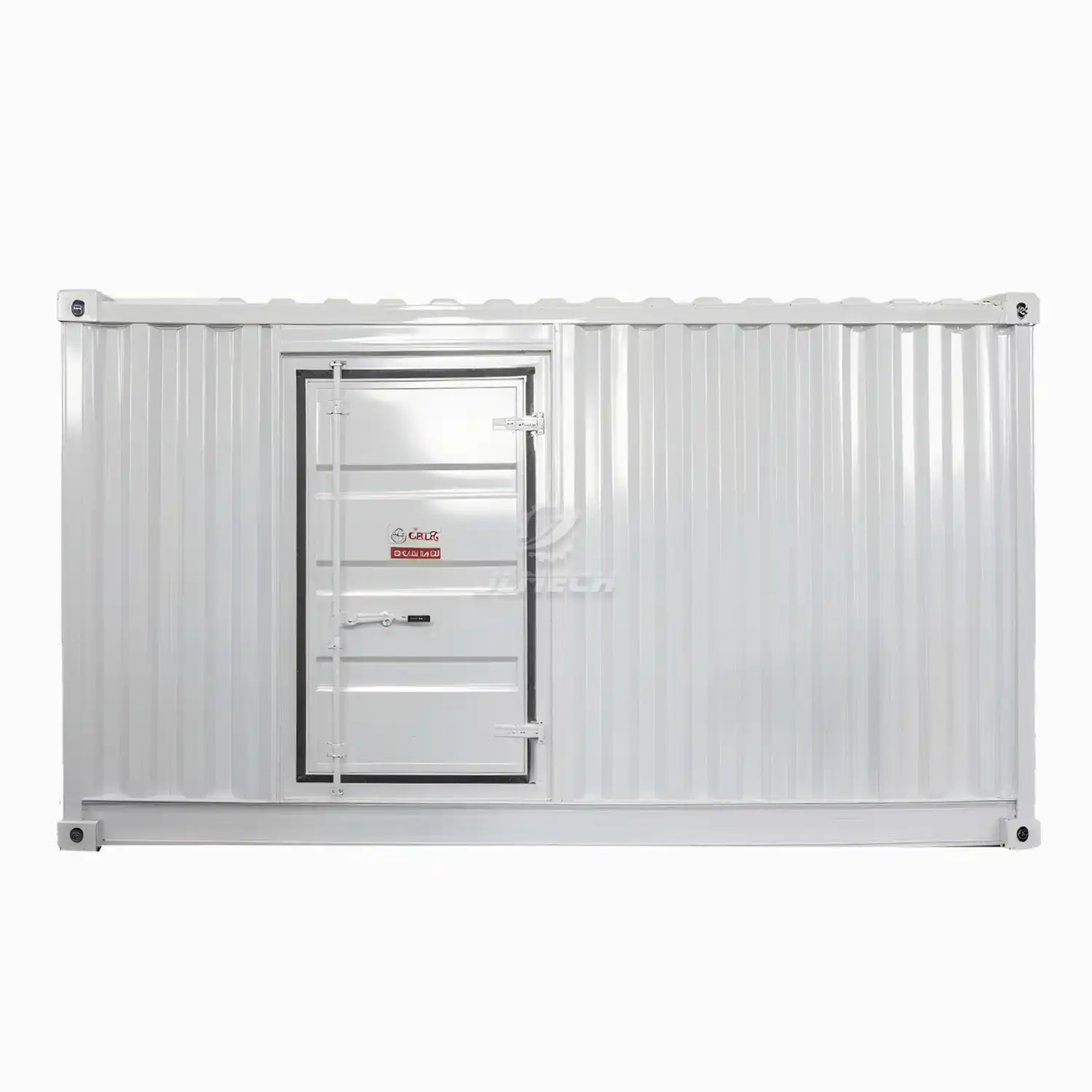
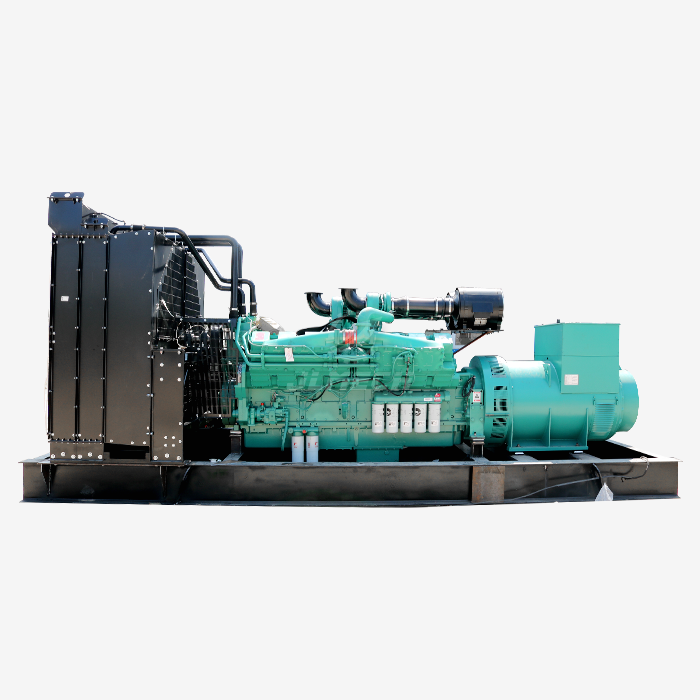
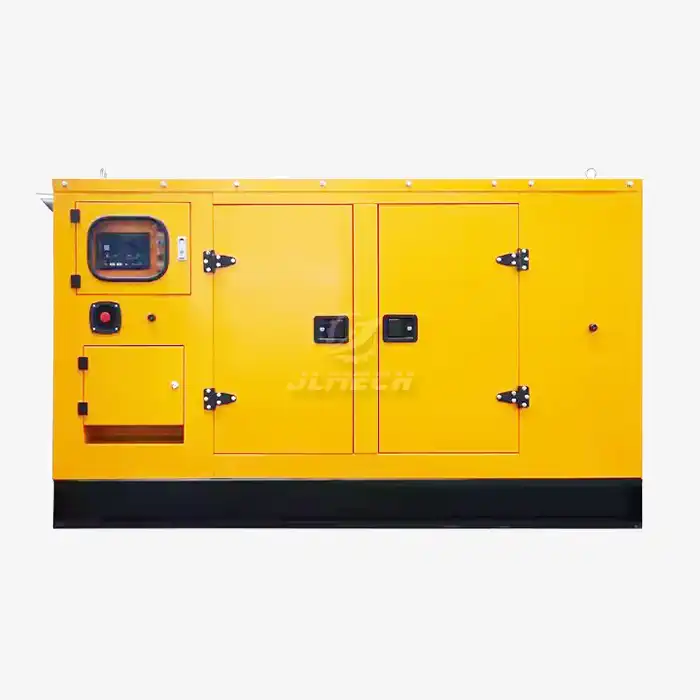
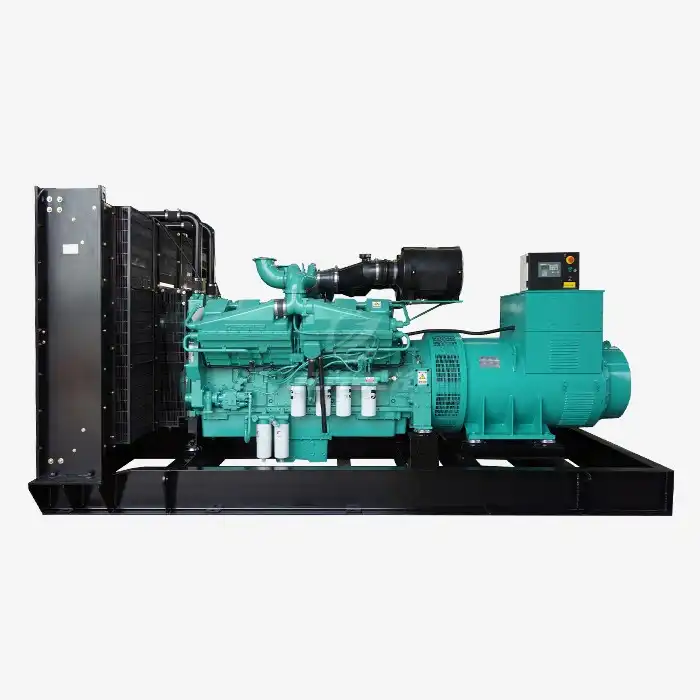
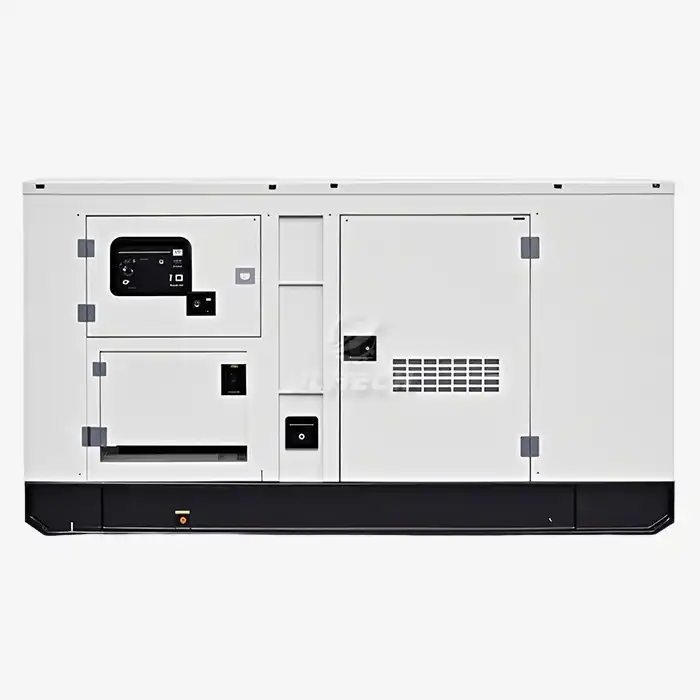
When you walk through any major factory, data center, or large commercial building, you're in the presence of an invisible workhorse: the 3-phase 4-wire electrical system. For anyone responsible for specifying or maintaining power infrastructure, understanding this system is not just technical jargon—it's fundamental. This is especially true when you are integrating a backup or prime power Diesel Generator to ensure business continuity. If single-phase power is like a bicycle—simple and effective for small loads—then 3-phase power is like a freight truck, built to carry heavy industrial loads efficiently and reliably. This guide will strip away the complexity and explain this critical system in plain English, showing you why it's the undisputed standard for industry and what that means for your power generation equipment.

Why Industries Don't Run on Single-Phase Power
Most homes use single-phase power, which is like a single pulse of electricity delivered through two wires (one "hot" and one neutral). It works perfectly for lights, TVs, and refrigerators. However, for industrial machinery, this single pulse is inefficient and inadequate. Large motors, which are the heart of factories, would be bulky, expensive, and struggle to start under a single-phase supply. They would also cause flickering lights every time they switched on. The 3-phase system solves all these problems, and because it is the standard for all industrial facilities, your industrial Diesel Generator must be designed to seamlessly connect to and power this type of system.
Breaking Down the -Phase 4-Wire System
Let's demystify the name by looking at what each part represents. Imagine a team of three strong horses pulling a heavy carriage.
The "3-Phase" Part (The Three Horses): Instead of one "pulse" of power, the system uses three separate power waves, evenly spaced out. Each wave reaches its peak power at a different moment, creating a smooth, continuous, and powerful pull. This is what drives industrial motors efficiently, allowing them to be smaller, more reliable, and easier to start than their single-phase counterparts.
The "4-Wire" Part (The Harnesses and Anchor): This refers to the four wires that carry the electricity.
Three "Line" Wires (L1, L2, L3): Each of these carries one of the three power phases. These are the primary workhorses, delivering the bulk of the energy.
One "Neutral" Wire (N): This wire acts as a return path and a stabilizer. It ensures the voltage remains balanced across the three phases, especially when powering standard 120V or 230V single-phase equipment (like office outlets or lighting) that exist within the larger industrial facility.
The Powerful Advantages for Your Business
The 3-phase 4-wire system isn't just a technical preference; it's a business decision that offers tangible benefits.
More Power, Less Copper: For the same amount of power delivered, a 3-phase system uses less conductor material (copper) than a single-phase system. This translates to lower installation costs for wiring and, crucially, for the windings inside your Diesel Generator and motors, making the entire system more cost-effective.
Smoother, More Reliable Operation: The continuous, overlapping power flow means motors run with less vibration and noise. This leads to less wear and tear, longer equipment lifespan, and more stable operation for sensitive machinery.
High Efficiency: The design is inherently more efficient for converting electrical energy into mechanical power. This higher efficiency means lower operating costs and less wasted energy, which is critical for large-scale operations.
Connecting Your Diesel Generator to the 3-Phase System
You cannot power a facility designed for 3-phase with a single-phase generator. It would be like trying to power an entire house with a small battery meant for a flashlight. When you are selecting a Diesel Generator for an industrial application, it is absolutely essential that the generator is itself a 3-phase machine. The alternator inside the generator must be specifically wound to produce three separate phases of power and equipped with a 4-wire output terminal. This ensures it can act as a perfect replacement for the main utility power, seamlessly integrating with the facility's electrical panel and Automatic Transfer Switch (ATS) to provide uninterrupted 3-phase power during an outage.
A Simple Guide to System Voltages
You will often see 3-phase systems described by their voltage, such as 120/208V or 277/480V. What does this mean?
The lower number (e.g., 120V) is the voltage between any one phase wire and the Neutral wire. This is used for single-phase loads like outlets and lights.
The higher number (e.g., 208V) is the voltage between any two of the three phase wires. This higher voltage is what powers the large 3-phase motors and heavy industrial equipment.
Ensuring your generator's voltage output matches your facility's voltage requirement is a critical step in the selection process.
Conclusion
The 3-phase 4-wire system is the silent, robust backbone that makes modern industry possible. It provides the efficient, stable, and powerful electricity needed to run heavy machinery. Understanding this system is the first step in making an informed decision about your backup power. When the time comes to select a Diesel Generator, this knowledge ensures you will choose a 3-phase model that is fully compatible with your industrial infrastructure, guaranteeing a reliable and seamless power solution.
Choosing the right generator for a 3-phase system doesn't have to be complicated. Our experts are here to guide you through the technical specifications and ensure you get a perfect match for your unique power needs.
Contact us today at skala@whjlmech.com for a free consultation on a 3-phase Diesel Generator that will keep your operations running.
References
Institute of Electrical and Electronics Engineers (IEEE). (2021). IEEE Recommended Practice for Electric Power Systems in Commercial Buildings (IEEE Std 241-2021).
Cummins Inc. (2023). Application Manual for Generator Set Matching to Electrical Systems. Cummins Power Generation.
National Fire Protection Association (NFPA). (2023). NFPA 70: National Electrical Code.